

In the world of EV conversions, the spotlight often shines on the motor’s roar and the battery’s range. Yet, the true convenience of electric driving hinges on a less glamorous, utterly essential box: the On-Board Charger (OBC). This component is your gateway to the grid, silently and intelligently converting AC power from a wall outlet or public station into the precise DC power your high-voltage battery craves.
For your Renault Express Pickup—a vehicle built for work and dependability—selecting the right OBC is not just about technical specs; it’s about practicality and freedom. It determines where, how fast, and how reliably you can replenish your energy, transforming your converted classic from a local workhorse into a truly versatile tool. Let’s plug into the details of making the perfect choice.
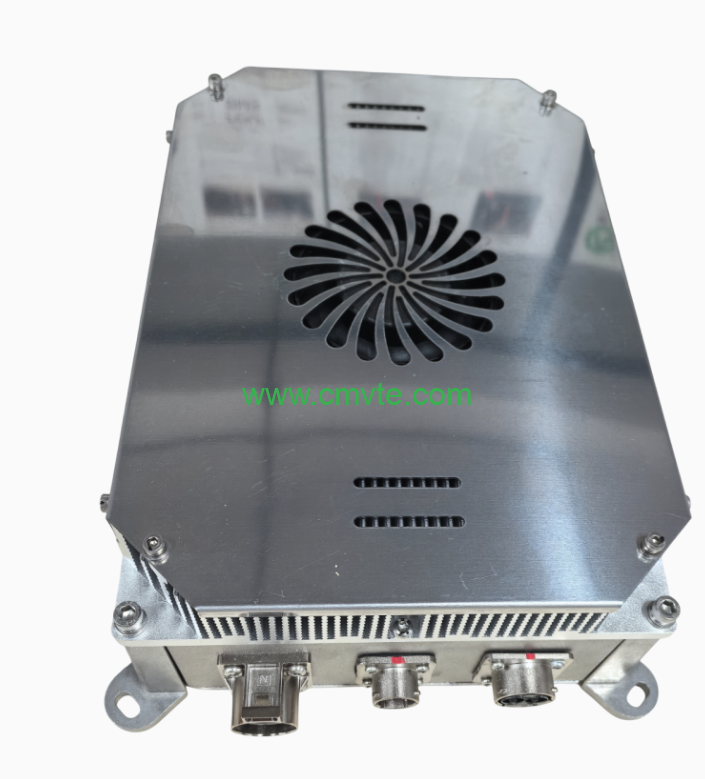
The Heart of Convenience: Why Your OBC Matters
Think of the OBC as your vehicle’s internal, intelligent power supply. While a DC-DC converter manages the 12V system, the OBC’s sole mission is to interface with the outside electrical world. Its performance directly impacts your daily life with the vehicle:
-
Charging Speed: A higher-power OBC dramatically reduces waiting time.
-
Charging Flexibility: Support for multiple standards lets you use a wider network of chargers.
-
System Safety & Longevity: A quality OBC ensures your battery is charged correctly, prolonging its life.
The Selection Matrix: Key Criteria for Your Express
Navigating OBC specifications requires a focus on a few decisive parameters. Align these with your intended use of the pickup.
1. Power Rating & Charging Speed (The Top Priority)
This is measured in kilowatts (kW). Your choice dictates your “refueling” time.
-
3.3 kW (16A Single-Phase): The entry-level. It can fully recharge a moderate-sized battery (e.g., 40-50 kWh) overnight from a standard household socket. It’s a cost-effective, reliable choice if your daily drives are within the pickup’s range.
-
6.6 kW (32A Single-Phase): The highly recommended sweet spot for conversions. It doubles the speed of a 3.7 kW unit and is the maximum most homes can support without major electrical upgrades (requiring a dedicated 32A circuit like a dryer outlet). For a work vehicle that may need a midday top-up, this extra speed is invaluable.
-
11 kW+ (Three-Phase): For the ultimate in speed, especially for larger battery packs. However, it requires rare and expensive three-phase AC power, typically found only in commercial/industrial settings, making it overkill for most private conversions.
2. Input Voltage & Phase Compatibility
-
Ensure compatibility with your region’s grid (e.g., 230V AC in Europe).
-
A unit that accepts both single-phase and three-phase input (like a 7.4/11 kW dual-rated OBC) offers maximum future-proofing and flexibility, though it will typically charge at 7.4 kW on a standard home circuit.
3. Output Voltage Range
This must match your battery pack. Given our previous system design, your OBC must have an output voltage range that fully covers your 300-400V DC battery system. It must be capable of reaching the maximum voltage of your pack when fully charged.
4. Communication Protocol (The Digital Handshake)
This is critical for safety and functionality. The OBC must communicate seamlessly with your Battery Management System (BMS) via CAN bus. This dialogue allows the BMS to dictate the charging current and voltage, ensuring a safe, cell-balanced charge cycle. Verify protocol compatibility between your chosen OBC and BMS before purchase.
5. Efficiency, Cooling & Form Factor
-
Efficiency (>92%): Higher efficiency means less energy wasted as heat and lower electricity bills.
-
Cooling: For a6.6 kW+ OBC, liquid cooling is superior. It manages heat more effectively and quietly than loud fan-cooled units, which is important for a vehicle that may charge overnight near living spaces.
-
Size & Weight: The Renault Express offers decent space, but you must plan the layout. Measure your available space (under the bonnet or in a cargo box) and compare it to the OBC’s dimensions.
Integration Strategy: From Specification to Installation
Choosing the unit is half the battle; integrating it cleanly is the other.
-
Location, Location, Location: Identify a mounting point that is protected from direct water spray, offers good airflow (if fan-cooled), and allows for sensible cable routing to both the charging inlet and the battery pack. The original fuel tank area or under-body enclosures are common spots.
-
The Charging Inlet: Select a Type 2 (Mennekes) inlet for the European market. It’s the standard for AC charging and is compatible with all public charging cables. Its installation on the vehicle’s flank requires careful, waterproof sealing.
-
Wiring & Safety Systems: The installation must include a proper high-voltage contactor between the OBC and the battery, controlled by the BMS/vehicle controller. This contactor disconnects the battery when not charging. A fused disconnect on the OBC’s input is also mandatory for safety.
-
Grid-Side Wiring: Installing a 7.4 kW OBC necessitates a dedicated 32A circuit from your home electrical panel, run by a qualified electrician, to a suitable outdoor-rated charging point (EVSE).
The Smart Choice: Features for a Professional Build
For a seamless user experience, look for OBCs with:
-
Programmable Charge Current: Allows you to limit charge rate via software to suit different electrical circuits (e.g., a weak campsite supply).
-
CAN Bus Data: Provides charge status, error codes, and energy transfer data to your vehicle’s display.
Conclusion: Powering Your Project with Confidence
The right On-Board Charger transforms charging from a technical chore into an invisible, reliable routine. For your Renault Express Pickup, a 6.6 kW liquid-cooled, CAN-enabled OBC represents the ideal balance of speed, practicality, and professional integration.
At CMVTE, we view your conversion as an integrated ecosystem. Our support extends to helping you select and source not just the motor and controller, but the critical ancillary components like the OBC, ensuring all parts communicate flawlessly. Let us help you build a pickup that’s not just electric, but intelligently so—ready for the workday and the open road.

