
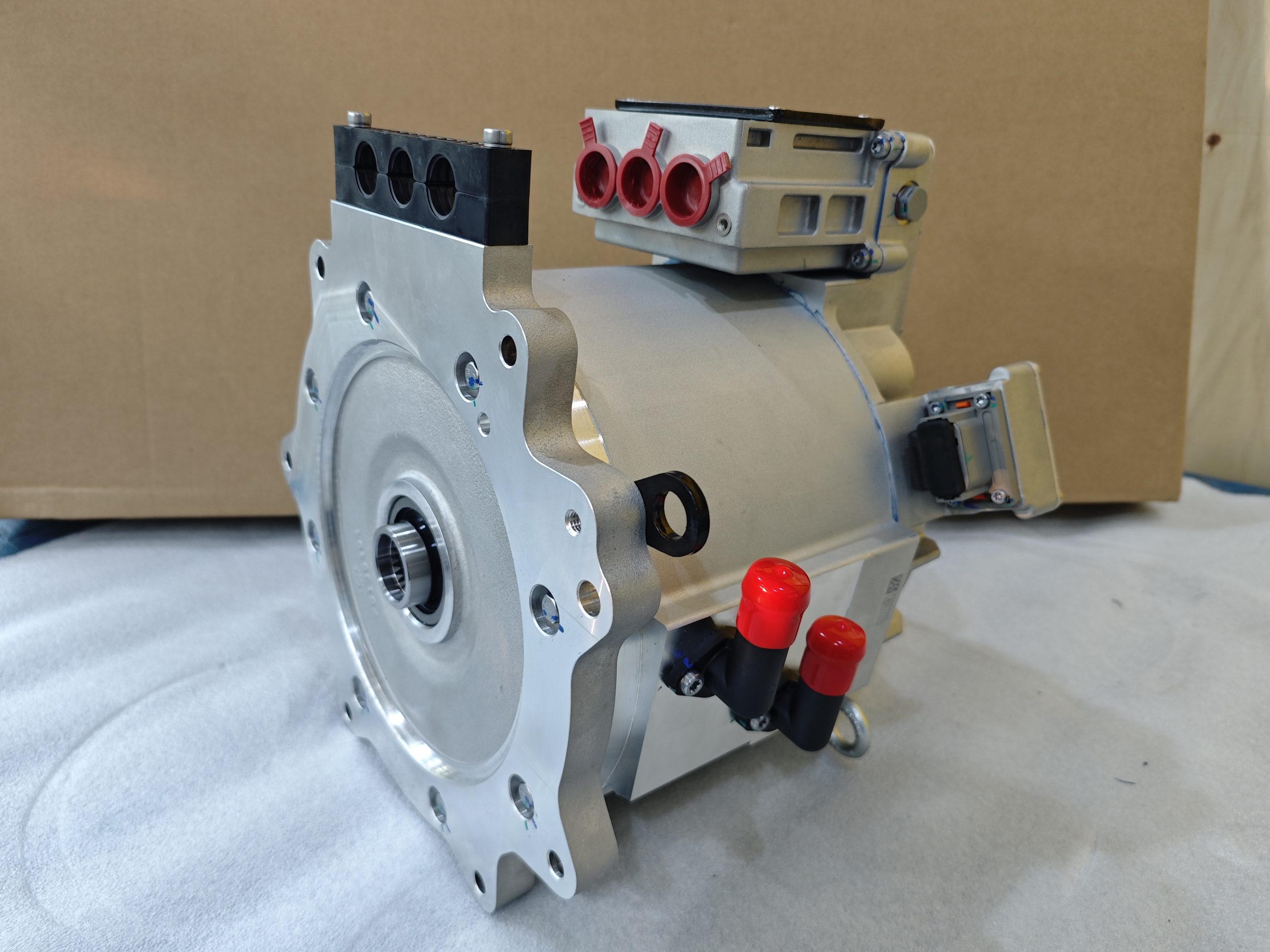
 Converting Cars with a 300 HP Electric Motor: What We Need to Know
Electric vehicle conversions are becoming increasingly popular, and using a 300 HP electric motor is a game-changer for car enthusiasts seeking high performance. But what kind of vehicles can handle this power, what battery setup is needed, and what should you watch out for? Let’s break it down.
What Vehicles are Suitable for a 300 HP Electric Motor?
A 300 HP (≈224 kW) electric motor is a high-performance setup, ideal for:
Sports cars: Lightweight cars like Mazda MX-5, Toyota Supra, Nissan 350Z, or older Porsche models. We once have a customer from India who had his Lamborghini sportscar converted by using 2pcs 110KW rated motor, max speed up to 200kph.
Sedans: Mid-sized sedans like BMW 3 Series, Audi A4, or Tesla Model S conversions for enthusiasts.
High-performance SUVs: Heavier vehicles like Jeep Wrangler, Land Rover, or Tesla-style builds if weight and battery are optimized.
For compact city cars (like VW Golf or Honda Civic), 300 HP is generally overkill unless you aim for track-level performance.
Battery Requirements for a 300 HP Motor
High-power motors need a robust battery system to deliver consistent torque and performance. Key points:
Voltage Range:
Typical electric car setups run 300–400 V DC, but some high-performance builds can go up to 500–600 V.
Higher voltage reduces current for the same power, which minimizes heat and improves efficiency.
Capacity:
To support 300 HP continuously, you need at least 50–70 kWh usable capacity, depending on your range and performance goals.
For frequent high-power driving (track or spirited driving), consider 70–100 kWh to prevent excessive strain.
Battery Type:
Lithium-ion is the standard (NMC, LFP), providing high energy density and discharge rates.
Ensure high C-rate cells are used to safely handle motor demands.
Advantages of a 300 HP Electric Motor
Instant Torque: Unlike internal combustion engines, electric motors provide full torque from zero RPM, delivering rapid acceleration.
Simplicity: Fewer moving parts compared to ICE, less maintenance, no clutch or gearbox needed in many setups.
High Performance: 0–60 mph in 4–6 seconds is achievable even in heavier cars with proper battery support.
Customizability: Ideal for tuning, regenerative braking, and multi-speed setups for track or street.
Important Considerations for Conversion
Vehicle Weight & Chassis:
Ensure your car frame and suspension can handle extra weight from batteries.
Cooling System:
High-power motors generate heat. Liquid cooling is recommended for both motor and inverter.
Battery Management System (BMS):
Protects cells from overcharge, over-discharge, and ensures balance.
Controller/Inverter:
Must be compatible with 300 HP power and high voltage range.
Safety:
High-voltage systems require insulation, proper grounding, and emergency cut-offs.
Regulatory Compliance:
Check local laws for road-legal electric conversions.
All in all,
A 300 HP electric motor is perfect for enthusiasts looking for high performance in sports cars, sedans, or even light SUVs. The key to a successful conversion lies in:
Choosing a compatible vehicle chassis
Installing a proper high-voltage, high-capacity battery
Ensuring cooling, BMS, and safety systems are robust
With careful planning, a 300 HP EV conversion can deliver thrilling acceleration, instant torque, and a modern, low-maintenance driving experience, turning almost any car into a performance electric vehicle.
Here is the link of 300HP Electric Motor for Car, pleae contact CMVTE if any inquiries.