
500 HP Electric Motor for Car: The Dual-Motor Sweet Spot for Performance and Control
The quest for electrified performance is no longer solely defined by headline-grabbing four-digit horsepower figures. In the realm of truly engaging and technically sophisticated electric vehicles, the 500 horsepower electric motor for a car—or more precisely, the dual 500 HP motor system—represents a critical engineering sweet spot. This configuration delivers supercar-level acceleration, revolutionary vehicle dynamics, and remarkable efficiency, all while demonstrating a level of technological refinement that is redefining modern performance.
The Dual-Motor Architecture: Precision at Scale
The true genius of a 500 HP EV drivetrain often lies not in a single, massive unit, but in the strategic deployment of two or more high-performance motors. The parameters of a cutting-edge system—featuring twin motors each with a 400 kW (536 HP) peak output and a staggering 2400 Nm of peak torque—reveal a blueprint for mastery.
Distributed Power & Torque Vectoring: Placing one motor on each axle (or two at the rear) creates an inherently intelligent all-wheel-drive system. By independently and instantaneously controlling the torque to the front and rear axles, the vehicle’s computer can manage traction, stability, and cornering attitude with a speed and precision impossible for any mechanical differential. This transforms safety and performance, especially in variable conditions.
Redundancy and Reliability: A dual-motor system offers inherent redundancy. In the rare event of an issue with one motor, the other can often provide sufficient drive to safely reach a destination, enhancing vehicle robustness.
Optimal Power Scaling: Two motors with a combined peak output of 780 kW (≈1045 HP) showcase how this architecture scales. Each motor operates within its most efficient and thermally manageable range during cruising, yet can combine forces for explosive acceleration when demanded. This balance is key to achieving both exhilarating performance and competitive driving range.
Decoding the Parameters: The Science Behind the Thrill
The specifications of modern 500 HP-class motors illustrate the advanced engineering required.
Motor Type: Permanent Magnet Synchronous Motor (PMSM). This dominant architecture in performance EVs offers the best combination of power density, efficiency, and precise controllability. The use of high-strength rare-earth magnets enables the compact size and immediate torque response that defines the EV driving experience.
Peak vs. Sustained Power (e.g., 400 kW Peak / 270 kW Rated): This distinction is crucial. The peak power (400 kW) is available for short, intense bursts—perfect for a launch from 0-60 mph. The rated (continuous) power is what the motor can deliver indefinitely, dictating high-speed cruising capability and track endurance. Sophisticated thermal management systems are what allow these motors to repeatedly access their peak outputs without overheating.
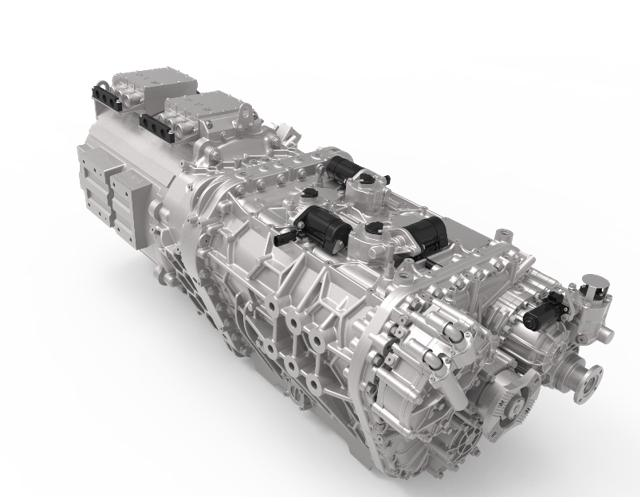
The Torque Multiplier: Multi-Speed Transmissions. While many passenger EVs use a single-speed reducer, the most performance-oriented or heavy-duty applications (as seen in parameters for 120-180T mining trucks) utilize multi-speed gearboxes. With gear ratios like 9.16 and 5.27 in first gear, a motor’s 2400 Nm of torque is multiplied to create a system output exceeding 34,600 Nm. In a high-performance car, a 2 or 3-speed transmission optimizes this torque delivery for both neck-snapping launches and blistering top-speed runs, ensuring the motor always operates in its most effective RPM band.
The Tangible Performance Advantage
What do these technical specifications translate to on the road?
Acceleration Redefined: A dual-motor system with a combined ~1000 HP capability propels vehicles like the Tesla Model S Plaid (in its earlier configurations) and Lucid Air Dream Edition from 0-60 mph in well under 2.5 seconds. This is hypercar territory, achieved with silent, seamless, and repeatable force.
Unmatched Drivability and Control: Beyond straight-line speed, the dual-motor setup enables features like “Drag Strip Mode” that pre-loads the drivetrain and a level of chassis control that makes immense power accessible and safe. The vehicle can subtly adjust front/rear torque split millisecond-by-millisecond to correct understeer or oversteer, often before the driver even detects it.
The Efficiency Paradox: By independently controlling two smaller, highly efficient motors, the system can often disengage or idle one motor during steady-state cruising, effectively operating as a rear- or front-wheel-drive car to maximize range. Power is only summoned from both when needed.
Conclusion: The Benchmark for Accessible Supercar Performance
The 500 HP electric motor for a car, especially in a dual-motor configuration, is the cornerstone of the high-performance EV revolution. It proves that electrification is not just about ultimate power, but about superior control, intelligent torque distribution, and a seamless blend of day-to-day usability with track-ready capability. As this technology continues to trickle down from flagship models to more accessible platforms, it establishes a new global benchmark: 500 HP per motor is the key to unlocking a driving experience that is not only devastatingly quick but also intuitively responsive and endlessly capable. The future of performance is not just powerful—it’s precisely controlled.
Please contact CMVTE if any inquiries!
