

The seemingly simple protective layer serves far more than aesthetic purposes—it provides comprehensive protection and optimizes performance in multiple ways, significantly enhancing battery reliability and safety. The blue film incorporates functions such as insulation, corrosion resistance, and mechanical protection, effectively preventing short circuits, chemical corrosion, and physical damage while extending battery life. Additionally, the blue film offers identification and aesthetic advantages, promotes thermal management, and contributes to manufacturing efficiency.
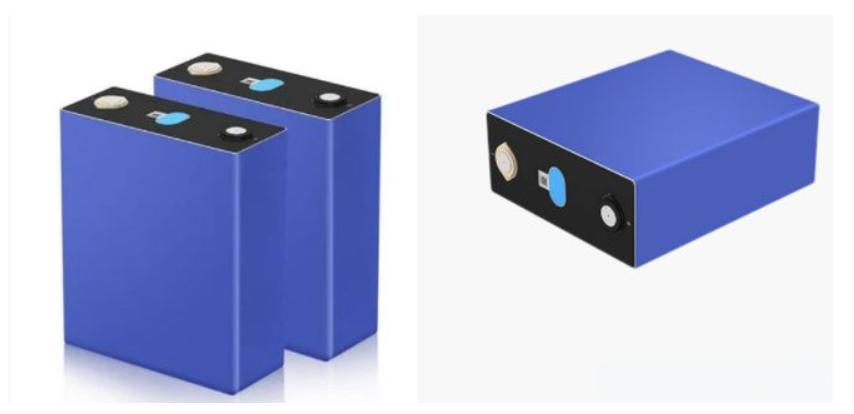
1 Insulation Protection: The Critical Barrier Against Short Circuits
The casing of square batteries is typically made of metal materials such as aluminum alloy. If this metal casing comes into direct contact, it can easily lead to short circuits between batteries or between batteries and external components. The blue film serves as a critical insulating layer, effectively isolating metal surfaces and preventing accidental electrical conduction.
In terms of safety, the role of the blue film is particularly significant. In scenarios where battery packs are densely arranged, the probability of contact between battery casings increases significantly, and so does the risk of short circuits. The application of blue film greatly reduces the risk of short circuits caused by casing contact, thereby enhancing the safety of the entire battery system.
Newly developed nano-composite insulation materials have increased the dielectric strength of blue film to over 8kV/mm, providing more reliable safety assurance for higher voltage battery systems.
2 Corrosion Resistance and Sealed Environmental Protection
The blue film used on square batteries has excellent protective properties, effectively isolating moisture, salt spray, acidic and alkaline substances, and other corrosive environmental factors. These corrosive factors tend to accelerate the oxidation and rusting process of metal casings. The presence of the blue film, like putting a sturdy protective armor on the battery, significantly delays this process, thereby extending battery life.
Moisture Barrier
The blue film creates an effective moisture barrier, preventing water vapor from reaching the metal surface and initiating corrosion processes. This is particularly important in humid environments where condensation may form on battery surfaces.
Chemical Resistance
Specially formulated blue films are resistant to various chemicals including acids, bases, and salts that may be present in the operating environment or come into accidental contact with the battery during use.
Sealing Enhancement
In terms of sealing, the blue film also plays an important auxiliary role. Some blue film materials themselves have good waterproof and dustproof properties, working closely with battery encapsulation processes to create effective barriers and improve the tightness of battery assembly.
3 Mechanical Protection: Resisting Physical Damage
Throughout the battery life cycle, it faces various physical damage risks from transportation bumps, assembly operations, and daily use. The blue film serves as a protective layer, reducing damage to the battery casing from scratches and collisions, minimizing the risk of internal structure exposure or electrolyte leakage.
Abrasion Resistance
The blue film provides a sacrificial layer that absorbs surface wear and minor impacts that would otherwise damage the underlying metal casing. This protection is particularly valuable during assembly processes where batteries may come into contact with various surfaces and components.
Elastic Properties
Some blue films have unique elastic properties that provide cushioning functionality. When a battery experiences minor impacts, the blue film can absorb the shock, protecting the structural stability of internal components such as terminals and separators.
4 Thermal Management and Heat Dissipation Optimization
Some blue film materials are specifically enhanced with thermally conductive particles such as ceramics and graphite. These thermally conductive particles act as efficient "heat carriers," helping to evenly distribute the surface temperature of the battery, effectively avoiding localized overheating.
The dark color characteristic of the blue film, particularly blue, provides unique advantages in thermal radiation, making it more conducive to heat dissipation. As battery power density increases and thermal management challenges grow, this radiative cooling effect becomes increasingly valuable.
Smart temperature-control films are beginning to be applied in high-end battery systems, capable of automatically adjusting thermal conductivity characteristics based on temperature changes, achieving more precise thermal management.
5 Identification and Management Applications
Blue has important functional uses in battery production and application processes. It is commonly used to identify specific battery models, capacities, or voltage levels, serving as the battery's unique "identity tag."
Production Efficiency
In production line sorting processes, the distinctive blue color allows workers to quickly identify and screen batteries that meet specific requirements, greatly improving sorting efficiency and reducing errors.
Maintenance Applications
In maintenance scenarios, technicians can quickly locate key parameters of faulty batteries based on color identification, accelerating diagnosis and repair processes and reducing downtime.
Brand Identification
From a branding perspective, blue is a powerful tool for manufacturers to strengthen their brand image. For example, CATL's iconic blue film has become an important visual identifier for the brand, enhancing consumer recognition and providing anti-counterfeiting advantages.
6 Process Adaptability and Cost Optimization
The blue film provides excellent contrast in visual inspection systems, facilitating machine vision positioning and coating integrity detection. This automation compatibility significantly improves production efficiency and reduces human error in quality control processes.
In terms of material costs, blue PET films offer an excellent balance between performance and economic considerations. These materials provide substantial protective benefits at relatively low costs, making them a cost-effective solution for battery manufacturers.
The application process for blue films has been optimized for high-volume production, using automated application systems to ensure consistent coverage and adhesion. This manufacturing efficiency contributes to overall cost reduction while maintaining high-quality standards. The durability of the films also reduces warranty claims and product returns, providing manufacturers with additional indirect cost savings.
Conclusion: A Small but Important Technical Detail
The blue film on square batteries represents a critical component that provides multifaceted benefits spanning safety, performance, identification, and manufacturing efficiency. Its role in providing insulation against short circuits, protection against corrosion and physical damage, assistance with thermal management, and facilitation of identification and traceability makes it an indispensable element in modern battery design and production.
As battery technology continues to advance toward higher energy density, faster charging capabilities, and longer service life, the importance of comprehensive protection systems like the blue film will only increase. Future developments may see the integration of smart functions into these films, such as embedded sensors for real-time monitoring of battery health status or advanced materials that actively respond to environmental changes. The often-overlooked ordinary blue film testifies to how thoughtful engineering at every level contributes to the safety, performance, and reliability of modern energy storage systems.
Want to learn more about battery protection technology?
Follow more innovative advances in battery materials science and choose the most suitable protection solution for your product.
Explore Battery Protection SolutionsFrequently Asked Questions
While the protective function could theoretically be achieved using various colors, blue offers specific advantages. Blue provides excellent contrast for machine vision systems in manufacturing, benefits thermal radiation due to its dark hue, and has become an industry standard that aids quick identification. Some manufacturers have established blue as part of their brand identity (like CATL), making it more than just a functional choice but also a brand element. That said, some specialized applications may use different colors for specific coding purposes, but blue remains the most common choice for these protective films.
The blue film is designed to be removable and typically does not interfere with the battery recycling process. Most blue films use pressure-sensitive adhesives, allowing for relatively easy removal during disassembly. The PET material commonly used for these films is recyclable, although it is usually separated from battery components during the recycling process. As battery recycling becomes increasingly important, film manufacturers are developing versions with easier removability and more environmentally friendly materials to support circular economy initiatives in the battery industry.
Yes, the concept of protective films can be applied to various battery formats, including cylindrical and pouch cells, although the specific application methods and film characteristics may differ. For cylindrical cells, manufacturers typically use different insulation methods such as plastic sleeves or labels. Pouch cells usually rely on their laminated packaging for protection rather than additional films. However, the versatile benefits of blue films—insulation, protection, identification—make them valuable across various battery formats with similar protection needs.
High-quality blue films are designed to last throughout the battery's working life. They are engineered to withstand extreme temperatures (typically from -40°C to 125°C), UV exposure, humidity, and mechanical stress without significant degradation. These films undergo accelerated aging tests to ensure long-term reliability. While all materials may degrade over extended periods, reputable manufacturers formulate these films to maintain their protective properties for at least 10-15 years, matching or exceeding the expected lifespan of the batteries they protect. Proper storage conditions before application also help preserve the film's performance until it is applied to the battery.
Film thickness directly affects its protective performance and application convenience. Typically, blue films have thicknesses ranging from 0.05mm to 0.15mm. Thinner films provide better conformity and thermal conductivity but weaker mechanical protection; thicker films offer superior mechanical protection and insulation but may affect the overall space utilization of the battery pack. Modern battery systems tend to use multi-layer composite films that maintain relatively thin thickness while achieving multiple protective functions through material engineering.


