

As the world intensifies efforts to fight climate change and enforce stricter environmental regulations, converting fuel-powered boats to electric propulsion is gaining momentum among boat owners and shipyards alike. The shift not only reduces long-term operating costs but also cuts down on noise and carbon emissions. In this ultimate 2025 guide, we walk you through how to convert your boat to electric power, step by step—featuring real-world success stories from CMVTE.
- Boat Type Evaluation: Not Every Boat Is a Good Candidate
Before diving in, it’s essential to evaluate whether your boat is suitable for electric conversion:
Boat Type: Ideal for light crafts like fishing boats, leisure yachts, sailboats, and tenders. Heavy cargo or ocean-going ships require much more complex engineering.
Displacement and Load Capacity: Batteries and motors add weight. Proper balance and stability must be maintained.
Usage Pattern: Short-distance or nearshore boats are best suited. For long-range trips, range and recharging feasibility must be carefully assessed.
Available Space: Ensure there’s enough space for batteries, controllers, cooling systems, and wiring.
CMVTE Case: A 6-meter leisure fishing boat was successfully converted with a 15kW direct-drive motor and a lithium iron phosphate battery. The boat now achieves speeds up to 18 knots with 4-hour endurance.
- Selecting the Right Electric Motor System
The heart of any conversion lies in the electric propulsion system, which includes:
Motor Types:
PMSM (Permanent Magnet Synchronous Motor): High efficiency and low maintenance—perfect for main propulsion.
BLDC (Brushless DC Motor): Ideal for small to medium-sized boats with simpler control systems.
Power Rating:
Typically, choose an electric motor rated at 70–80% of the original internal combustion engine’s horsepower.
Drive Method:
Direct Drive: Simple, reliable, perfect for low-speed applications.
Geared Systems: Provide higher torque for workboats or heavier loads.
CMVTE offers complete solutions ranging from 10kW to 150kW systems, adaptable for various boat types.
- Battery System & Wiring Layout
Recommended Battery Type:
LiFePO₄ (Lithium Iron Phosphate): Long life, high safety, and excellent performance in marine environments.
Voltage System:
Small boats typically use 48V–96V; larger vessels may require 144V or more.
Wiring Tips:
Use IP67-rated waterproof cables and connectors.
Implement a Battery Management System (BMS) to monitor health, prevent short circuits, and manage charging/discharging.
Cooling Solutions:
Water cooling or air cooling is recommended for large battery packs to prevent overheating.
- Hull and Structural Modifications
To accommodate electric systems, boats often require structural adjustments:
Reinforce and ventilate battery compartments
Update dashboard to include digital displays for speed, range, and power output
Remove the fuel tank and exhaust system to free up space
Optional additions like solar panels or shore charging ports
5. Legal & Certification Requirements
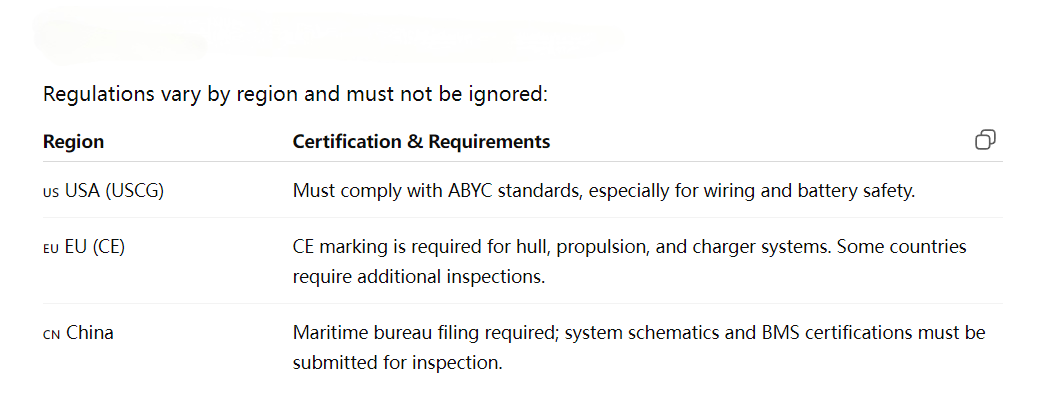
Consult your local maritime authority or a certified surveyor before beginning your conversion.
6. Cost Analysis: ls lt Really Cheaper?
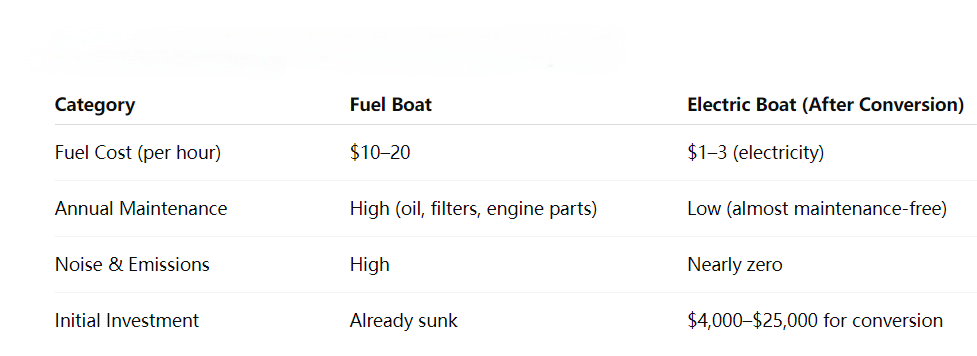
7. Final Thoughts: The Future of Marine Mobility Is Electric
In 2025, the technology, cost, and regulations for electric boat motor conversion have all matured. Going electric is no longer a future dream—it’s a smart, sustainable reality. Whether you’re a leisure boater, eco-tourism operator, or commercial fisherman, there’s never been a better time to switch.
Looking for expert help with your electric boat conversion? CMVTE offers full-scope systems, support, and customization.
Ready to electrify your boat? Talk to CMVTE now.


