

Converting a traditional internal combustion vehicle like the BMW X3 to an electric powertrain is a significant step toward sustainable and efficient transportation. In this process, there's one often overlooked but crucial component—the DC-DC converter. This device is responsible for converting the high voltage from the main battery pack into a stable 12V low voltage to power various original low-voltage systems in the vehicle.
Introduction: The Critical Role of DC-DC Converters in EV Conversions
This comprehensive 2025 guide delves into how to choose the right DC-DC converter for your manual transmission BMW X3 electric conversion project. We'll cover everything from understanding the functional specifications of DC-DC converters to evaluating key factors that ensure their optimal performance and reliability. After reading this article, you'll have a clear understanding of:
- The core role of DC-DC converters in electric vehicles.
- Key factors to consider when selecting a DC-DC converter for your BMW X3.
- How different types of DC-DC converters affect system stability and efficiency.
- Real-world cases of successful BMW X3 conversions using CMVTE solutions.
- The importance of collaborating with experienced engineers for a seamless conversion.
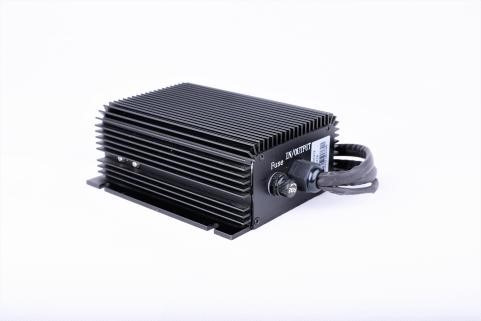
Part 1: Understanding DC-DC Converters
1.1 What is a DC-DC Converter?
A DC-DC converter is an electronic device that converts DC voltage from one level to another. In the context of electric vehicles, it's responsible for stepping down the high voltage from the main battery pack (typically in the range of 144V to 400V or even higher) to a stable 12V output. This low-voltage power is essential for operating numerous systems in the vehicle originally designed for 12V.
Key functions of DC-DC converters include:
- Voltage Regulation: Maintaining a stable 12V output regardless of input voltage fluctuations.
- Power Distribution: Supplying power to low-voltage systems like lighting, instrument panels, and central control units.
- Battery Charging: Continuously charging the auxiliary battery, effectively replacing the function of the original alternator.
1.2 Why is a DC-DC Converter Crucial for BMW X3 Conversion?
The manual transmission BMW X3 has numerous systems that rely on a stable 12V power supply, including:
- Lighting Systems: Headlights, taillights, interior lights, and other lighting components.
- Instrument Panel: Speedometer, fuel gauge, temperature gauge, and other indicators.
- Central Control Units: Air conditioning controls, audio systems, navigation, and other electronic control devices.
- Auxiliary Battery: Ensuring reliable power for vehicle startup and accessory usage.
Without a proper DC-DC converter, these systems may not function correctly, potentially leading to dim lights, instrument malfunctions, or even failure to start the vehicle.
Part 2: 6 Key Factors in Selecting a DC-DC Converter
2.1 Input Voltage Range
The input voltage range of the DC-DC converter must be compatible with the main battery pack voltage.
2025 Standard: For most EV conversions, input voltage typically ranges between 96V to 400V. It's crucial to choose a converter that can handle this range seamlessly.
Key Considerations:
- Compatibility: Ensure the converter works within your battery pack's expected voltage range.
- Wide Tolerance: Select converters with wide voltage tolerance to accommodate fluctuations.
- Safety Margin: Include a safety margin to prevent damage from unexpected voltage spikes.
2.2 Output Power
The output power of the DC-DC converter determines its ability to provide sufficient power for all low-voltage systems in the vehicle.
Power Recommendation: For BMW X3 conversions, a minimum output power of 500W is recommended, but higher ratings (like 1000W or 1500W) may be needed depending on specific requirements.
Key Considerations:
- System Requirements: Calculate the total power consumption of all low-voltage systems.
- Peak Loads: Consider peak power demands during high-load scenarios.
- Future Expansion: Account for potential future additions or upgrades requiring more power.
2.3 Conversion Efficiency
Efficiency refers to the ratio of output power to input power. High-efficiency DC-DC converters minimize energy loss and heat generation, enhancing overall system performance and lifespan.
2025 Standard: Quality converters typically have efficiency above 92%-95%.
Key Considerations:
- Energy Loss: Choose converters with minimal energy loss for maximum power transfer.
- Heat Dissipation: Ensure effective heat dissipation to maintain optimal operating temperatures.
- Lifespan: High-efficiency converters typically have longer lifespans and lower maintenance costs.
2.4 Protection Features
Protection features refer to the converter's ability to withstand various environmental and operational stresses. Robust protection ensures reliable operation under demanding conditions.
Key Protection Functions:
- Overvoltage Protection: Prevents damage from excessively high input voltage.
- Short Circuit Protection: Safeguards output circuits from short circuits.
- Overheating Protection: Prevents overheating due to excessive load or high ambient temperatures.
2.5 Electrical Isolation
Electrical isolation is crucial for preventing electrical interference and ensuring the safety of the vehicle's electrical system. Well-isolated DC-DC converters prevent ground loop interference and protect sensitive electronics from voltage spikes.
Key Considerations:
- Isolation Barrier: Ensure the converter has a robust isolation barrier between input and output sides.
- Safety Standards: Compliance with relevant safety standards and regulations for electrical isolation.
2.6 CAN Communication Support
CAN communication support enables the DC-DC converter to integrate seamlessly with the vehicle's existing control systems. This allows real-time monitoring and control of converter performance, enhancing overall system stability and efficiency.
Key Advantages:
- Data Exchange: Facilitates data exchange between the converter and other control units.
- Fault Detection: Enables early detection and diagnosis of faults or issues.
- Parameter Customization: Allows customization of parameters and settings via the CAN network.

Part 3: System Integration and Related Components
The DC-DC converter is just one component of a larger system that includes multiple parts working together to ensure optimal performance. When converting a BMW X3 to electric power, the following elements must be considered:
3.1 Main Battery Pack
The main battery pack provides the high-voltage power needed to drive the motor and other high-power systems. Its voltage must be compatible with the DC-DC converter's input voltage range.
3.2 Low-Voltage Systems
Various low-voltage systems in the vehicle rely on the stable 12V output provided by the DC-DC converter. These systems must be compatible with the converter to ensure proper operation.
3.3 Control System
The control system manages the operation of the entire electric powertrain, including the DC-DC converter. It must be compatible with the converter to ensure smooth and efficient performance.
Part 4: Real Success Stories
To demonstrate the effectiveness of CMVTE's DC-DC converters in BMW X3 conversions, let's look at some real cases:
Case Study 1: German Urban Commuter Conversion
A German BMW X3 owner completed a vehicle conversion using a CMVTE custom-designed DC-DC converter with impressive results:
- Daily Range: Up to 250 kilometers on a single charge.
- System Stability: No failures in low-voltage systems, ensuring reliable operation.
- Cost Savings: 70% reduction in annual operating costs compared to gasoline vehicles.
Case Study 2: US Off-Road Enthusiast Conversion
Another US BMW X3 owner focused on enhancing off-road capability. The custom DC-DC converter provided the necessary power and stability for tackling steep inclines and rough terrain, while the electric powertrain ensured range for long-distance travel.
These cases highlight the versatility and reliability of CMVTE solutions across different driving scenarios.
Part 5: Partnering with Experts for Seamless Conversion
Converting a BMW X3 to electric power is a complex process requiring specialized expertise and attention to detail. At CMVTE, our expert team has extensive experience in designing and manufacturing DC-DC converters that meet the highest standards of quality and efficiency.
Choosing CMVTE for your BMW X3 conversion means you can expect:
- Custom Solutions: Tailored to your specific needs and driving habits.
- Comprehensive Technical Support: Guidance throughout the conversion process.
- Quality Assurance: Rigorous testing and validation of all components.
Frequently Asked Questions
Conclusion: Empower Your Electric Future with the Right DC-DC Converter
Selecting the right DC-DC converter for your BMW X3 electric conversion project is a critical decision that impacts the vehicle's overall performance, efficiency, and reliability. By carefully considering factors such as input voltage range, output power, efficiency, protection features, electrical isolation, and CAN communication support, you can ensure a successful and enjoyable electric driving experience.
With CMVTE's expertise and high-quality products, you can embark on your electric vehicle journey with confidence.

