

As the Land Rover Defender moves fully towards electrification, a high-performance onboard charger has become a core component to ensure fast, efficient, and safe energy replenishment. This article provides an in-depth analysis of the 6.6kW onboard charger designed specifically for the Defender, exploring its technical specifications, intelligent features, and how it enhances the vehicle's charging capability while maintaining its rugged off-road heritage.
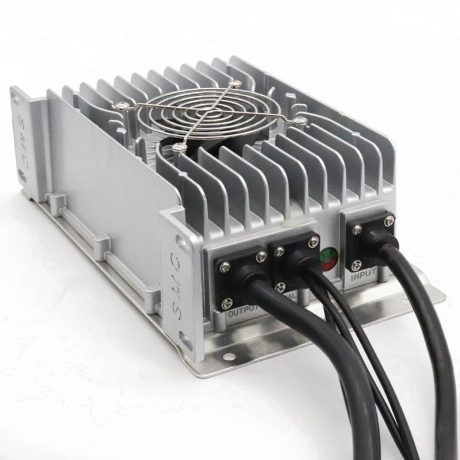
1. Core Specifications: High Efficiency and Multi-Scenario Compatibility
This 6.6kW onboard charger is optimized for AC charging, helping the Defender seamlessly connect to the global power grid:
Charging Power
6.6kW (three-phase AC input), significantly accelerating battery replenishment compared to lower-power systems.
Wide Voltage Input
Compatible with 220V-240V AC (three-phase) or 110V-120V AC (single-phase), adapting to different regional grid standards.
High-Efficiency PFC
Power Factor Correction >98%, reducing grid stress and electricity costs.
High Protection Rating
IP67 dust and water resistance, operating temperature range of -40°C to 85°C.
Intelligent Communication
Integrated with the Battery Management System via CAN bus for dynamic charging control.
2. Technical Advantages: Beyond Speed
Intelligent Charging Algorithm
- Adaptive Adjustment: Dynamically adjusts charging current based on battery SOC, temperature, and grid capacity to prevent overheating or overload.
- Battery Health Optimization: Automatically reduces charging rate when reaching around 80% SOC to extend battery cell cycle life.
Excellent Grid Compatibility
- Three-Phase Balance: Optimizes load distribution in three-phase systems for high-power charging without disturbing the grid.
- Universal Interface: Supports Type 2 and CCS2 connectors, ensuring compatibility with global mainstream public charging stations.
User-Friendly and Flexible
- Scheduled Charging: Set charging times via the central control screen or mobile app to take advantage of off-peak electricity rates and save costs.
- Remote Control: Use the vehicle connectivity system to remotely start or stop charging.

3. Rugged and Durable Design for Off-Road Use
The charger design prioritizes the harsh environments the Defender faces:
Anti-Vibration Design
Reinforced mounting brackets and damping components to withstand off-road bumps and shocks.
Anti-Corrosion Treatment
Special anti-salt spray coating for coastal areas or winter salt-spread roads.
Efficient Thermal Management
Liquid cooling or passive cooling systems ensure stable performance in hot environments or during extended charging.
Electromagnetic Shielding
Isolated circuit design prevents interference with the Defender's sensitive electronic systems (such as navigation, motor control).
4. Comprehensive Safety Protection
- Voltage Protection: Automatic input overvoltage/undervoltage protection and shutdown.
- Leakage Monitoring: Real-time ground fault monitoring to prevent electric shock risks.
- Fire Prevention Design: Built-in temperature sensors, housing made of flame-retardant materials.
- Battery Preconditioning: Pre-heats or cools the battery pack before charging under extreme temperatures to ensure charging safety and battery health.
5. Seamless Integration with Defender Electric Ecosystem
The onboard charger works in coordination with other vehicle systems:
- BMS Coordination: Dynamically adjusts charging power according to battery charging acceptance curve for maximum efficiency.
- High-Low Voltage System Coordination: Balances high-voltage charging and low-voltage accessory (e.g., camp fridge) power requirements during charging via the DC-DC converter.
- Energy Recovery Optimization: Uses electricity generated by regenerative braking to partially compensate for charger power consumption, indirectly increasing range confidence.
6. Performance Improvement and User Experience
- Charging Speed: Using three-phase connection, approximately 6-8 hours to charge from 0 to 80% capacity, meeting the need for overnight charging after long off-road trips.
- Information Transparency: Real-time charging progress and estimated time displayed on the central control screen, enhancing trip planning convenience.
- Load Management: Capable of managing power priority to ensure charging when grid conditions are limited.
7. Future-Oriented Expandability
- OTA Updates: Future capabilities such as bidirectional charging (V2G/V2L) or higher power compatibility can be unlocked via firmware updates.
- Expandable Architecture: Modular design allows for future integration of 11kW or higher power DC fast-charging systems.
- Smart Grid Interaction: Compatible with demand response programs, allowing vehicles to automatically charge during low electricity price periods.
8. Environmental and Economic Benefits
- Low Carbon Footprint: High efficiency with standby power consumption below 0.5W, reducing energy waste.
- Cost Savings: In areas with time-of-use electricity pricing, intelligent scheduled charging can reduce electricity costs by 30-50%.
- Renewable Energy Support: Works with home solar systems for intelligent use of clean energy.
Conclusion: The Silent Foundation of Adventure
The 6.6kW onboard charger designed for the Land Rover Defender electrification project is far more than just a charging device—it's a technological bridge connecting daily convenience with off-road freedom. By combining rugged engineering design with intelligent energy management and ensuring broad compatibility with global power grids, it keeps the Defender's electrical energy always ready, whether in a home garage or deep in the wilderness.
As the era of electric off-roading arrives, the reliability and forward-looking design of this charger will strongly reinforce the Land Rover Defender's benchmark position in sustainable, high-performance adventure.
In the electric era, charging is no longer a limitation but a gateway to the next adventure.

