

BMW E-Series Electric Power Steering (EPS) — Complete Conversion Guide
Professional BMW E30/E36/E46/E53 electric power steering conversion guide with comprehensive kit recommendations, detailed installation procedures, and expert troubleshooting advice
What is Electric Power Steering (EPS)? Comprehensive Comparison with Hydraulic Systems
Electric Power Steering (EPS) represents a revolutionary advancement in automotive steering technology, utilizing electric motors to provide steering assistance instead of traditional hydraulic systems. This modern approach offers numerous advantages that make it particularly attractive for BMW E-Series enthusiasts seeking to modernize their classic vehicles while maintaining their authentic driving character.
The EPS system consists of several key components: an electric motor, electronic control unit (ECU), torque sensor, steering angle sensor, and various safety systems. Unlike hydraulic power steering that continuously draws power from the engine, EPS operates on-demand, providing assistance only when needed and in precise amounts based on driving conditions.
| Comparison Factor | Electric Power Steering (EPS) | Hydraulic Power Steering |
|---|---|---|
| Energy Efficiency | Works only when needed, highly efficient | Continuously consumes engine power |
| Maintenance Requirements | Virtually maintenance-free, no fluid changes | Regular fluid changes, seal replacements |
| Steering Feel Customization | Fully adjustable, multiple driving modes | Fixed characteristics, no adjustment |
| Installation Complexity | Primarily electrical connections | Complex hydraulic lines and fittings |
| Failure Diagnosis | Electronic diagnostics, clear error codes | Mechanical inspection, fluid leaks |
| Weight Impact | Lighter system, better weight distribution | Heavy pump, reservoir, and fluid |
| Environmental Impact | No hydraulic fluid disposal concerns | Regular fluid disposal required |
Advanced EPS Features for BMW E-Series:
- Variable Assist Technology: Steering effort automatically adjusts based on vehicle speed
- Return-to-Center Function: Improved straight-line stability and reduced driver fatigue
- Damping Control: Eliminates steering wheel vibrations and road noise
- Safety Monitoring: Continuous system health checks with fail-safe modes
- Integration Capability: Compatible with modern stability control systems
Why Convert BMW E-Series to Electric Power Steering? Benefits and Motivations
BMW E-Series vehicles, spanning from the iconic E30 through the sophisticated E53 X5, represent some of the most beloved and enduring designs in automotive history. However, their aging hydraulic power steering systems often become sources of frustration and expense for owners. Converting to EPS addresses multiple pain points while enhancing the overall driving experience.
Primary Benefits of EPS Conversion:
🔧 Reliability and Maintenance Advantages:
Hydraulic power steering systems in BMW E-Series vehicles are notorious for developing leaks, particularly at the rack and pinion seals, high-pressure hoses, and pump connections. These failures often occur without warning and can result in complete loss of power assistance. EPS systems eliminate these concerns entirely, offering decades of trouble-free operation with minimal maintenance requirements.
💰 Long-term Cost Savings:
While the initial investment in an EPS conversion may seem substantial, the long-term savings are significant. Hydraulic system repairs can cost $1,500-$3,000 per incident, including pump replacement, rack rebuilding, and hose replacement. EPS systems typically require no maintenance for 10+ years, making them economically advantageous over time.
🏁 Performance Enhancement:
Modern EPS systems offer superior steering precision and feedback compared to aging hydraulic systems. The ability to adjust steering characteristics allows drivers to optimize their vehicle's behavior for different driving scenarios, from comfortable daily commuting to spirited track driving.
Target Audiences for EPS Conversion:
⚠️ Important Legal and Safety Considerations
EPS conversions modify critical safety systems and may affect vehicle insurance, registration, and inspection requirements. Always consult local regulations and consider professional installation to ensure compliance with safety standards. Some jurisdictions require engineering certification for steering system modifications.
BMW E-Series Model Quick Reference and Conversion Compatibility
Each BMW E-Series model presents unique challenges and opportunities for EPS conversion. Understanding the specific characteristics, common issues, and conversion requirements for each model is essential for planning a successful upgrade. Click on any model below to access detailed conversion guides and technical specifications.

BMW E30 (1982-1994)
The Classic 3-Series Foundation
The E30 represents BMW's breakthrough into modern 3-Series design and remains highly sought after by enthusiasts worldwide. Its relatively simple mechanical systems make it an excellent candidate for EPS conversion, though some unique challenges exist.
Key Conversion Characteristics:
- Requires custom steering column adapter fabrication
- Simple electrical system integration
- Excellent weight distribution improvement
- Compatible with 12V 180W-360W EPS systems
- Moderate installation complexity
Common Original Issues:
- Steering rack seal failures after 100k+ miles
- Power steering pump noise and leakage
- High-pressure hose deterioration
- Inconsistent steering feel due to worn components
Estimated Conversion Cost: $1,200 - $2,800 including professional installation
Installation Time: 12-18 hours for experienced technicians
View Complete E30 EPS Guide
BMW E36 (1990-2000)
The Refined Evolution
The E36 generation introduced significant refinements in chassis dynamics and electrical systems while maintaining the engaging driving characteristics that define BMW. Its more sophisticated architecture provides excellent compatibility with modern EPS systems.
Key Conversion Characteristics:
- Excellent steering column compatibility
- Advanced electrical system supports EPS integration
- Multiple EPS kit options available
- High conversion success rate
- Supports both 12V and 48V systems
Model-Specific Advantages:
- Robust electrical charging system
- Ample engine bay space for EPS controller
- Compatible steering column mounting points
- Existing CAN bus infrastructure (later models)
Popular Variants for Conversion:
- 318i/318is - Lightweight, ideal for 180W systems
- 325i/328i - Balanced performance, 360W recommended
- M3 - Track-focused, requires high-performance EPS
Estimated Conversion Cost: $1,400 - $3,200 depending on system complexity
Installation Time: 10-15 hours with proper preparation
View Complete E36 EPS Guide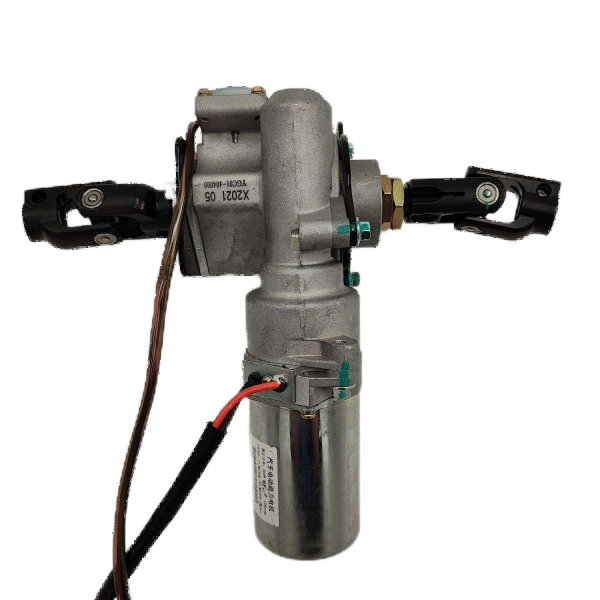
BMW E46 (1998-2006)
The Modern Classic
Widely regarded as the pinnacle of BMW 3-Series design, the E46 combines classic BMW driving dynamics with modern refinement. Its advanced electrical architecture and robust construction make it the most popular choice for EPS conversion among enthusiasts.
Key Conversion Characteristics:
- Most extensive aftermarket EPS support
- Advanced CAN bus integration capabilities
- Multiple power level options (180W-540V)
- Excellent steering feel customization potential
- Comprehensive diagnostic support
Technical Advantages:
- Sophisticated electrical system with multiple CAN networks
- Robust alternator capacity for EPS power demands
- Precise steering geometry for optimal EPS calibration
- Extensive aftermarket support and documentation
Model Variants and Recommendations:
- 316i/318i - 12V 180W EPS systems ideal
- 320i/325i/330i - 12V 360W systems recommended
- M3 - High-voltage 540V systems for track performance
- Touring/Wagon - Requires load-compensated EPS tuning
Common Hydraulic System Failures:
- Steering rack internal seal deterioration
- Power steering pump bearing failure
- Reservoir cap and filter clogging
- High-pressure line connection leaks
Estimated Conversion Cost: $1,600 - $4,500 for complete professional installation
Installation Time: 8-12 hours with experienced technician
View Complete E46 EPS Guide
BMW E53 X5 (1999-2006)
The Luxury SUV Pioneer
BMW's first-generation X5 introduced the Sports Activity Vehicle concept, combining luxury, performance, and utility. Its substantial weight and sophisticated systems require high-power EPS solutions and careful integration planning.
Key Conversion Characteristics:
- Requires high-power EPS systems (360W minimum)
- Complex electrical integration due to advanced systems
- Substantial weight requires robust mounting solutions
- Advanced CAN bus networks need careful integration
- Higher installation complexity than sedan models
Unique SUV Considerations:
- Higher center of gravity affects steering dynamics
- All-wheel-drive system integration requirements
- Increased electrical power demands
- Enhanced cooling requirements for EPS controller
- Load-sensitive steering calibration needs
Engine Variants and Power Requirements:
- 3.0i (M54) - 360W EPS minimum, 540V preferred
- 4.4i/4.6is (M62/N62) - 540V high-voltage systems required
- 3.0d (M57) - Diesel-specific electrical considerations
- 4.8is - Track-oriented high-performance EPS needed
Common X5 Hydraulic Issues:
- Steering rack premature wear due to vehicle weight
- Power steering pump overheating and failure
- Cooling system integration problems
- High-pressure line stress failures
- Reservoir mounting bracket corrosion
Estimated Conversion Cost: $2,500 - $5,500 for professional installation
Installation Time: 15-25 hours due to complexity
View Complete E53 EPS GuideUniversal EPS Conversion Process and Component Requirements
While each BMW E-Series model has specific requirements, the fundamental EPS conversion process follows similar steps across all platforms. Understanding this universal approach helps in planning and executing successful conversions regardless of the specific model being modified.
Pre-Conversion Assessment and Planning
Conduct comprehensive evaluation of existing steering system condition, electrical capacity, and space constraints. Document current steering geometry, measure available mounting points, and assess electrical system capacity. Create detailed installation plan including component placement, wiring routes, and calibration requirements. This phase typically requires 2-4 hours but prevents costly mistakes during installation.
Required Tools: Digital multimeter, steering angle measurement tools, basic hand tools, camera for documentation
Hydraulic System Removal and Preparation
Safely drain power steering fluid and systematically remove hydraulic components including pump, reservoir, high-pressure lines, and return lines. Clean mounting areas and inspect steering rack condition. Properly dispose of hydraulic fluid according to environmental regulations. Document all electrical connections that will be modified or relocated.
Safety Note: Power steering fluid is toxic and must be handled with appropriate protective equipment and disposal methods.
EPS Controller Installation and Mounting
Select optimal location for EPS control unit considering heat dissipation, protection from elements, and accessibility for service. Fabricate or install mounting brackets ensuring secure attachment and proper orientation. Connect primary power supply with appropriate fusing and circuit protection. Install cooling provisions if required by system specifications.
Critical Considerations: Controller must be protected from water, excessive heat, and vibration while maintaining adequate cooling airflow.
Steering Column Modification and Sensor Installation
This represents the most critical phase of the conversion. Install steering column adapter, torque sensor, and steering angle sensor with precise alignment and calibration. Ensure all mechanical connections meet or exceed original equipment strength specifications. Verify smooth operation through full steering range without binding or interference.
Precision Requirements: Torque sensor alignment must be within ±2 degrees for proper system operation and safety.
Electrical Integration and Wiring
Install complete wiring harness with proper routing, protection, and strain relief. Connect power supply, ground connections, CAN bus interfaces (if applicable), and all sensor inputs. Use automotive-grade connectors and follow BMW wiring standards for reliability and serviceability. Install diagnostic connector for future troubleshooting and calibration.
Quality Standards: All connections must meet IP67 water resistance rating and withstand automotive temperature extremes.
System Calibration and Testing
Perform initial system startup and basic function verification. Calibrate steering angle sensor, set torque sensor zero point, and configure assist characteristics. Conduct comprehensive road testing including low-speed maneuvering, highway stability, and emergency steering response. Fine-tune parameters based on driver preference and vehicle characteristics.
Testing Protocol: Minimum 50-mile test drive covering various speed ranges, road surfaces, and steering inputs before final approval.
Final Inspection and Documentation
Complete thorough inspection of all installation work, verify proper torque specifications on all fasteners, and confirm secure routing of all wiring. Document final calibration settings, create maintenance schedule, and provide operator training. Generate installation certificate and warranty documentation for future reference.
Deliverables: Complete installation documentation, calibration data, maintenance schedule, and emergency contact information.
Professional EPS Kit Recommendations and Selection Guide
Selecting the appropriate EPS kit is crucial for successful conversion and long-term satisfaction. Our recommendations are based on extensive testing, customer feedback, and compatibility analysis across hundreds of BMW E-Series conversions.
🟢 Entry-Level EPS Systems
Ideal for: Daily drivers, budget-conscious enthusiasts, vehicles under 3,000 lbs
- 12V 180W brushless motor system
- Basic torque sensor with ±5% accuracy
- Standard steering column adapter kit
- Essential wiring harness and connectors
- Single assist curve programming
- Basic diagnostic capabilities
- 12-month manufacturer warranty
- Email technical support included
Performance Characteristics: Suitable for speeds up to 80 mph, basic assist adjustment, adequate for normal driving conditions.
Compatible Models: E30 318i, E36 318i, E46 316i/318i
🔵 Professional-Grade EPS Systems
Ideal for: Performance enthusiasts, frequent drivers, vehicles 3,000-4,000 lbs
- 12V 360W high-efficiency motor system
- Precision torque sensor with ±2% accuracy
- CNC-machined steering column adapter
- Premium automotive-grade wiring harness
- Multiple assist curves and driving modes
- Advanced speed-sensitive assistance
- Comprehensive diagnostic interface
- Return-to-center functionality
- 24-month comprehensive warranty
- Phone and email technical support
Performance Characteristics: Full-speed operation capability, customizable steering feel, enhanced stability control integration.
Compatible Models: E36 325i/328i, E46 320i/325i/330i, E53 3.0i (with modifications)
🟠 High-Performance Racing Systems
Ideal for: Track vehicles, racing applications, heavy vehicles over 4,000 lbs
- 540V high-voltage brushless motor system
- Racing-grade torque sensor with ±1% accuracy
- Custom-engineered steering column assembly
- Motorsport-specification wiring and connectors
- Fully programmable assist characteristics
- Real-time telemetry and data logging
- Track-optimized calibration software
- Emergency fail-safe systems
- Professional installation service included
- 36-month comprehensive warranty
- Dedicated technical support hotline
- Annual recalibration service
Performance Characteristics: Unlimited speed capability, microsecond response time, professional racing certification available.
Compatible Models: E46 M3, E53 4.4i/4.6is/4.8is, custom racing applications
Kit Selection Criteria and Compatibility Matrix:
| Vehicle Model | Curb Weight | Recommended Power | Typical Kit Cost | Installation Complexity |
|---|---|---|---|---|
| E30 318i/318is | 2,750 lbs | 180W | $1,200-$2,000 | Moderate |
| E30 325i/M3 | 2,900 lbs | 360W | $1,800-$2,800 | Moderate-High |
| E36 318i/318is | 2,950 lbs | 180W-360W | $1,400-$2,400 | Low-Moderate |
| E36 325i/328i | 3,150 lbs | 360W | $1,800-$3,000 | Moderate |
| E36 M3 | 3,250 lbs | 360W-540V | $2,500-$4,500 | High |
| E46 316i/318i | 3,100 lbs | 180W-360W | $1,600-$2,600 | Low |
| E46 320i/325i/330i | 3,300 lbs | 360W | $2,000-$3,500 | Low-Moderate |
| E46 M3 | 3,415 lbs | 540V | $3,500-$5,500 | High |
| E53 3.0i | 4,400 lbs | 360W-540V | $2,500-$4,000 | High |
| E53 4.4i/4.6is/4.8is | 4,600+ lbs | 540V | $3,500-$5,800 | Very High |
Comprehensive Cost Analysis and Investment Planning
💰 Total Investment Breakdown by Installation Method:
| Cost Component | DIY Installation | Professional Installation | Premium Service |
|---|---|---|---|
| EPS Kit (Entry Level) | $800 - $1,400 | $800 - $1,400 | $800 - $1,400 |
| EPS Kit (Professional) | $1,800 - $3,200 | $1,800 - $3,200 | $1,800 - $3,200 |
| EPS Kit (Racing) | $3,500 - $5,800 | $3,500 - $5,800 | $3,500 - $5,800 |
| Installation Labor | $0 | $800 - $1,800 | $1,500 - $2,500 |
| Calibration & Tuning | $0 - $300 | Included | Included + Follow-up |
| Additional Parts & Supplies | $150 - $400 | $150 - $400 | $200 - $500 |
| Special Tools (if needed) | $200 - $800 | $0 | $0 |
| Total Investment Range | $950 - $6,400 | $1,750 - $7,400 | $2,500 - $8,800 |
⏱️ Time Investment and Labor Requirements:
📊 Long-term Value Analysis:
When evaluating EPS conversion costs, consider the long-term financial benefits compared to maintaining aging hydraulic systems:
- Hydraulic System Maintenance: $300-$600 annually for fluid changes, seal replacements, and minor repairs
- Major Hydraulic Repairs: $1,500-$3,500 every 3-5 years for pump replacement, rack rebuilding, or complete system overhaul
- EPS System Maintenance: Virtually zero ongoing costs for first 10+ years of operation
- Fuel Economy Improvement: 2-5% improvement due to reduced parasitic losses, saving $100-$300 annually
- Insurance Considerations: Some insurers offer discounts for safety-enhancing modifications
Frequently Asked Questions (FAQ)
Begin Your BMW E-Series EPS Conversion Journey
Transform your classic BMW with modern electric power steering technology. Professional guidance, quality components, and expert installation services available to ensure your conversion exceeds expectations.

