

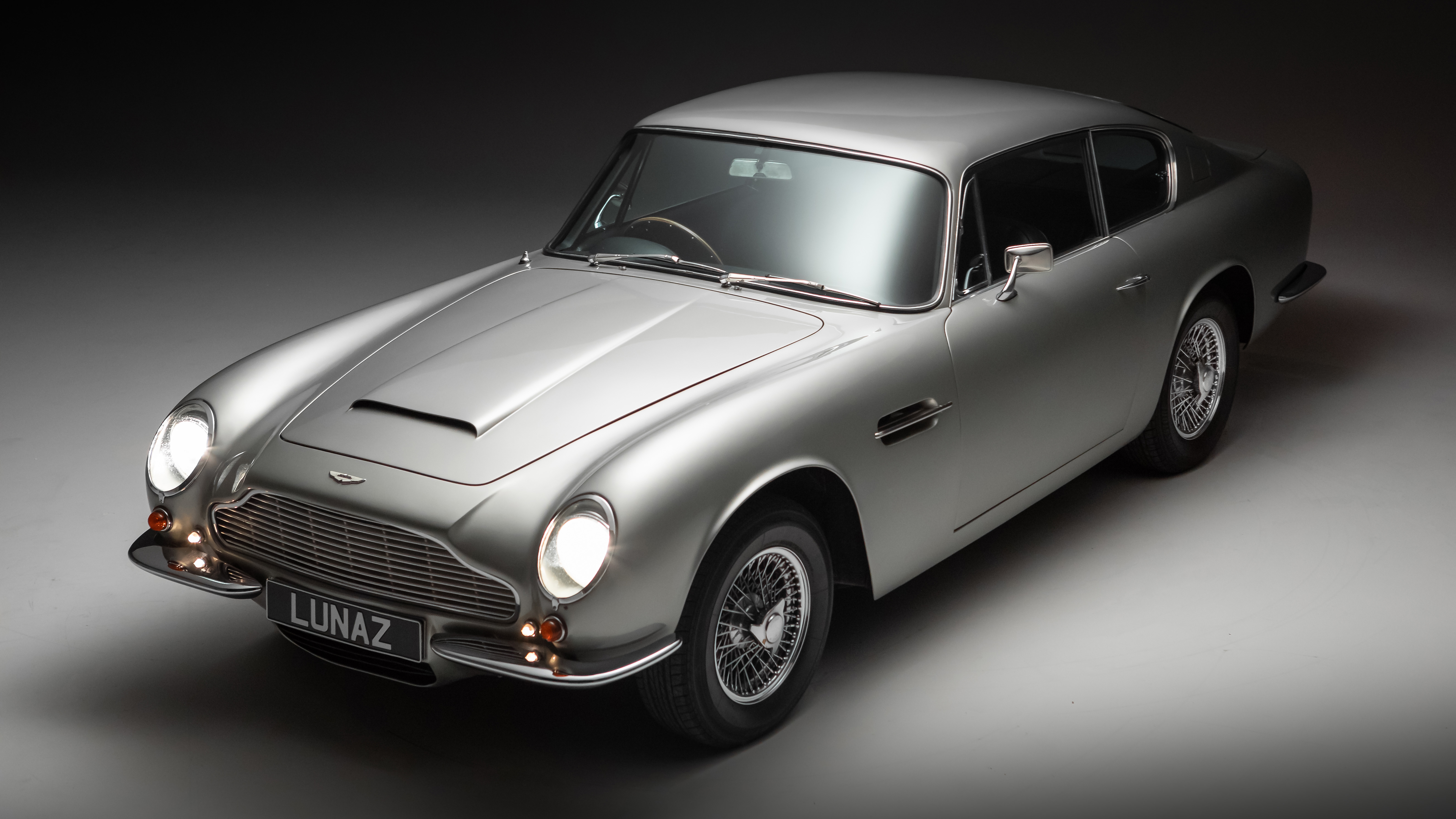
Converting a classic Aston Martin DB6 to electric is a symphony of engineering – replacing the roaring combustion engine with silent, instant torque. While the battery pack and motor get the glory, one component is the unsung hero of a successful and reliable conversion: the DC-DC converter. This device bridges the high‑voltage powertrain and the car's original 12V electrical system. Choose incorrectly, and even a fully charged battery won't get you home.
In a conventional car, the engine‑driven alternator generates 12V power to charge the starter battery and run all accessories (lights, wipers, windows, radio, ECU). In an EV conversion, the alternator disappears. Your primary energy is now the high‑voltage battery pack (typically 350‑400V).
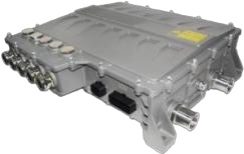
The DC‑DC converter takes the place of the alternator. It steps down the high‑voltage DC to a stable 13.5‑14.5V output, charging the 12V auxiliary battery and powering the car's original electrical system. Without it, the 12V battery will quickly drain – leaving you with a charged main battery but no lights, indicators, or control systems.
2. Core selection step 1: calculate power demand
The first and most critical specification is power output (watts). Calculate the total electrical load of your DB6's 12V system. Include all consumers:
- Headlights (high beam): 2 × ~60W = ~120W
- Heater blower: ~100‑200W
- Wipers: ~50W
- Other systems (lights, indicators, stereo, digital displays): ~100‑150W
Even without high‑current accessories, peak demand easily reaches 400‑500W. At night with headlights, blower on full, and radio playing, a converter running at 100% capacity will overheat, cause voltage drop, and make lights flicker – a safety hazard.
3. High‑voltage compatibility: input voltage is critical
The DC‑DC converter must match the nominal voltage of your high‑voltage battery pack. For a 400V system, the converter's input range must cover that voltage – typically 200‑450V or wider. Connecting a converter designed for 144V to a 400V pack will cause irreversible damage or catastrophic failure. Also ensure the converter operates correctly across the full SOC range (low battery voltage to fully charged).
4. Thermal management: air‑cooled vs. liquid‑cooled
Simpler installation, uses heatsinks and fans. However, fans create noise, and in a tight engine bay with limited airflow, heat soak can cause thermal de‑rating or shutdown.
Integrates with the vehicle's cooling loop (shared with motor/inverter). Runs silently and offers far better thermal stability, especially for high‑power or continuous use. For a DB6 build, a liquid‑cooled converter is the professional choice.
5. Intelligence: CAN bus & system integration
Many modern DC‑DC converters feature a CAN bus interface, allowing communication with the battery management system (BMS) and vehicle control unit (VCU). Via CAN, the system can monitor converter status, log faults, and automatically enter low‑power sleep mode when the vehicle is off – preventing parasitic drain on the high‑voltage battery.
For a DB6 conversion with premium engineering standards, CAN bus integration marks the leap from classic to intelligent. Converters like the HBC series (400‑800V bidirectional, liquid‑cooled) include J1939 CAN, enabling real‑time monitoring and simplified power‑up sequencing.
6. Installation & electrical details
- Mounting position: Measure engine bay space carefully. Ensure adequate airflow for air‑cooled units or plan coolant lines for liquid‑cooled units.
- Water/dust protection: Prefer IP67 or higher rating to resist road spray, dust, and salt corrosion.
- Electrical protection: Ensure the converter has over‑voltage, under‑voltage, over‑current, and short‑circuit protection. Add a correctly sized fuse on the 12V output side.
7. DC-DC converter selection checklist for DB6
- Calculate peak 12V load and add margin → choose 700‑1400W (or 600‑1200W range).
- Verify input voltage range covers your HV pack (e.g., 200‑450V for a 400V system).
- Decide air vs. liquid cooling – liquid cooling recommended for long‑term thermal stability.
- Prefer a converter with CAN bus interface for BMS/VCU integration.
- Check physical dimensions, vibration tolerance, and IP rating (IP67 preferred).
8. Conclusion: the quiet partner for a classic future
Choosing the right DC‑DC converter for your Aston Martin DB6 EV conversion affects not just accessory operation, but overall safety, driving quality, and long‑term reliability. By scientifically calculating 12V power demand, precisely matching the high‑voltage input range, implementing proper thermal management, and embracing CAN bus intelligence, you ensure that your reborn DB6 stays stable and composed on every journey – honouring Aston Martin's engineering DNA while writing a new, silent chapter with modern electric technology.
Talk to our classic EV conversion specialists – for Aston Martin, Jaguar, Porsche, and other timeless icons.
Frequently Asked Questions
Can I use a surplus OEM DC‑DC converter from a production EV?
Yes, many builders use units from Tesla, Nissan Leaf, or BMW i3. However, ensure the input voltage range matches your pack (e.g., a Leaf converter may only work up to 400V). You may also need to simulate CAN messages to wake it up – which adds complexity.
What happens if my DC‑DC converter fails while driving?
The 12V battery will run down. Initially, you may notice dimming lights or sluggish wipers. Eventually, the contactors may open, and the car will shut down. A quality converter with proper cooling and a well‑sized 12V battery (e.g., 50‑80Ah) gives you enough reserve to pull over safely.
Is a 600W converter enough for a DB6 with no high‑power audio or AC?
Barely. 600W may work if you never use high beam and heater blower simultaneously. However, lacking margin shortens converter life and risks voltage dips. 700‑1000W is strongly recommended for peace of mind.
Can I keep the original DB6 dynamo and regulator?
Not recommended. The original dynamo is belt‑driven from the engine – which no longer exists. Remove it and let the DC‑DC converter handle all 12V charging.
How do I know if my converter needs liquid cooling?
If your converter will continuously supply >500W for long periods (night driving with lights, blower, and stereo), the engine bay has poor airflow, or you are in a hot climate – choose liquid cooling. For a DB6 with a tight bonnet, liquid cooling is the professional choice.

