

Converting a petrol car to electric in India is now fully legal — and the 2026 retrofit market is booming. But most Indian owners are quoted ₹4-7 lakh by local retrofit agencies for a small hatchback conversion. CMVTE ships factory-direct conversion kits from ₹2.2 lakh, and the government-approved certification and RTO process is exactly the same. Here is how to convert your petrol car to electric in India — legally, and at a fraction of the local price.
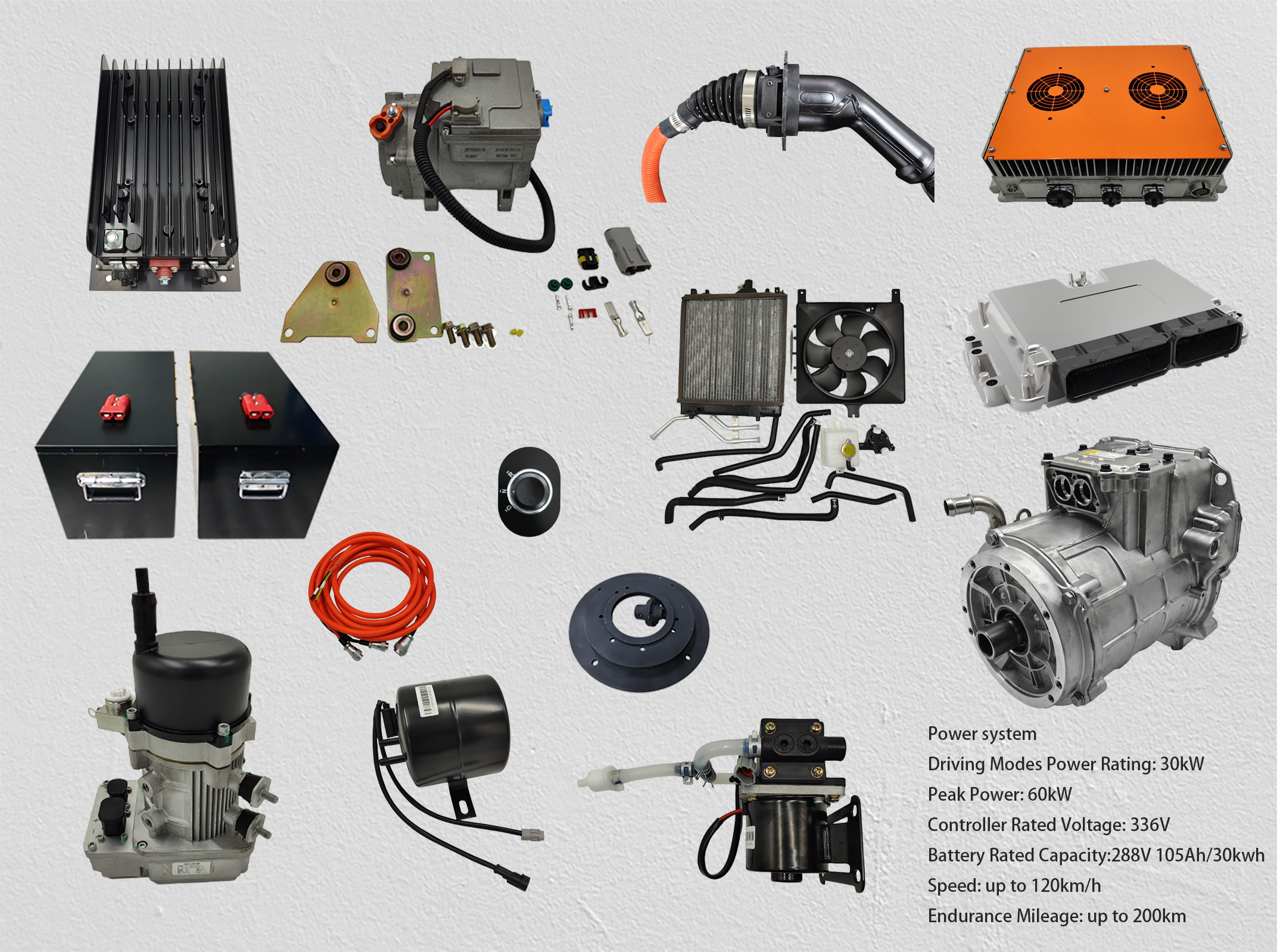
Cost of Petrol-to-Electric Retrofit in India: CMVTE vs Local Agencies
| Vehicle Type | Local Retrofit Agency (all-in) | CMVTE Kit (factory direct) |
|---|---|---|
| Small Hatchback (Alto, WagonR) | ₹4 – ₹5.5 lakh | ₹2.2 – ₹3 lakh |
| Mid-Size (Swift, i10, i20) | ₹5 – ₹7 lakh | ₹3 – ₹4 lakh |
| Sedan / Taxi (Indica, fleet cars) | ₹4 – ₹6 lakh | ₹3.2 – ₹4.5 lakh |
The savings come from buying directly from the factory. Local agencies mark up imported components 50-100%. CMVTE manufactures the motor, controller, battery pack, and BMS in-house at our Foshan plant, so the retrofit hardware costs you 30-40% less — without changing the legal certification path.
Is EV Conversion Legal in India?
Yes. The Government of India allows petrol and diesel vehicles to be retrofitted to electric under MoRTH guidelines (amended CMVR / AIS-123). The rules are straightforward:
- Approved kit: The conversion must use a type-approved retrofit kit certified by a testing agency such as ARAI, ICAT, or VRDE.
- Authorized installer: Installation must be carried out by a registered retrofit agency (your workshop, in coordination with your local garage).
- Certification: After installation, the vehicle is tested for safety and performance, and a compliance certificate is issued.
- RC update: You submit the certificate to your RTO, and the RC fuel type is updated from "Petrol" to "Electric."
Only after the RC update is the vehicle road-legal. CMVTE provides the full technical documentation pack — component datasheets, wiring diagrams, and weight distribution data — that ARAI/ICAT evaluators request during certification.
Which Indian Cars Can Be Converted?
Most small and mid-sized petrol cars are ideal candidates. The most common retrofit platforms we support:
- Maruti Alto, WagonR, Swift — the classic choices; light curb weight means excellent range per kWh
- Hyundai i10, i20 — compact bays with straightforward driveline access
- Tata Indica / old taxis — the most popular fleet conversion, with rapid payback on fuel savings
- Older fleet and delivery vehicles — city routes under 150 km/day are where conversions pay off fastest
For these cars, CMVTE recommends 72V-144V air-cooled systems — 5 kW to 15 kW motors with 20-40 kWh LiFePO4 packs, giving 120-200 km of real-world range. That matches the daily driving patterns of most Indian owners.

Step-by-Step: From Petrol to Electric
- Choose your kit — Tell CMVTE your car model, year, and target range. We spec the motor power, battery size, and adapter plate for your exact model.
- Remove ICE components — Engine, fuel tank, exhaust, and (in most cases) the gearbox come out. This alone cuts roughly 150-250 kg from the car.
- Install the electric powertrain — Motor mounts to the existing bellhousing pattern, battery pack goes underfloor or in the boot, and the controller, BMS, charger, and DC-DC converter connect to the pre-labelled harness.
- Get certified — Your local agency or garage coordinates ARAI/ICAT testing. CMVTE supplies the required technical documentation.
- Update your RC — Submit the compliance certificate to the RTO and change the fuel type to "Electric." Your car is now road-legal.
Running Costs After Conversion
A petrol hatchback that does 15 km/l covers 1,500 km per month on about ₹9,000 of fuel at ₹90/l. The same car converted to electric uses roughly 20 kWh per week for those distances — about ₹1,400 per month in home charging. That is a saving of ₹7,600 per month, or over ₹90,000 per year. For taxi and fleet operators, the conversion pays for itself in under 3 years.
What to Watch Before You Convert
A successful retrofit starts with a good donor car. Three things to check first:
- Vehicle age and condition: A car with a solid body, working brakes, and no major rust is worth converting. A car already needing engine or gearbox repairs is an even better candidate — you are replacing those parts anyway.
- Insurance and resale: Insurers now offer policies for converted EVs; notify them after the RC update. Resale value holds better for popular models like Alto and WagonR with strong service networks.
- Charging plan: The 3.3 kW charger that comes with your kit plugs into a standard domestic outlet for overnight charging — most owners never need public fast charging for city driving.
Get Your Retrofit Kit Quote
CMVTE has shipped to over 1,000 customers in 130+ countries, including dozens of successful Indian retrofit projects. Send us your car model and target range — our engineers will recommend the right kit, include customs and freight to your port, and provide the documentation you need for ARAI certification.
Contact CMVTE now — get your India EV retrofit kit quote within 24 hours.

