

When we drive or ride a modern electric vehicle, we often feel quiet acceleration, intelligent cockpit and green travel concept. However, behind this technology and elegance, a set of “invisible armor” related to the core safety and reliability of vehicles is working silently-that is, the insulation protection design of high-voltage electrical system.
Like a silent guardian, it ensures the safe and efficient transmission of hundreds of volts of high-voltage power between batteries, motors and electronic control, and resists various potential threats from the environment, machinery and electricity itself. With the popularization of electric vehicle and the rapid development of high voltage platform (such as 800 V), the importance of its insulation protection has become increasingly prominent, which is directly related to the safety of drivers and passengers, the service life of vehicles and the reliability of vehicles.
Let’s go deep into the interior of this “armor” and systematically analyze its design points and core technologies to see how engineers build this crucial security line for electric vehicle.
Selection and Design of Insulating Materials for High Voltage Electrical System
- Material performance optimization:
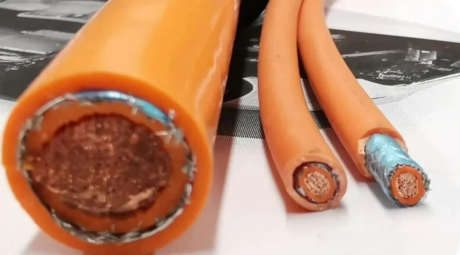
New composite materials with high performance, high temperature resistance, aging resistance, high mechanical strength and excellent electrical insulation characteristics, such as silicone rubber and polyimide, are used to ensure long-term stable operation under complex working conditions.
2.Insulation structure design:
According to the voltage level and application environment of high-voltage components, multi-level and redundant insulation structures are designed, including solid insulation, gas insulation and liquid insulation, to enhance the overall insulation performance.
- Environmental adaptability considerations:
Fully consider the operation requirements of electric vehicle under extreme temperature, humidity, vibration and other conditions, select insulation materials with good environmental adaptability, and carry out strict environmental testing and verification.
Insulation protection of high voltage cable and its connector
1.Cable insulation layer strengthening:
High-quality cable shall be used, and its internal conductor shall be coated with multi-layer insulation, including inner semi-conductive layer, main insulation layer and outer semi-conductive layer, to ensure that the high voltage inside the cable will not leak.
2.Connector insulation design:
Special insulation treatment shall be carried out for the connector parts, such as adding insulation sheath, potting insulation glue, etc., to prevent insulation failure caused by poor contact or wear.
3.Mechanical stress and thermal stress resistant design:
Optimize the cable path layout to reduce bending; The connector design shall consider the mechanical stress relief mechanism and good heat dissipation performance to reduce the risk of insulation damage.
Design of Shielding and Grounding for High Voltage Electrical System
- Shielding effectiveness improvement:
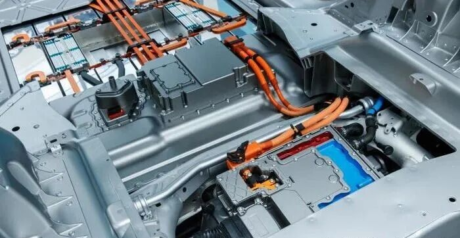
In order to prevent electromagnetic interference from affecting the system, it is necessary to take effective electromagnetic shielding measures for high-voltage cables, harnesses and sensitive electronic components, such as wrapping with metal mesh, aluminum foil and other materials.
2.Safety grounding strategy:
Strictly follow the relevant standards to ensure that all high-voltage components have a good grounding path, through the reasonable arrangement of grounding wires, to achieve the effective release of fault current, to ensure the safety of personnel and the normal operation of equipment.
3.Classification of protection grade:
According to the importance of different high-voltage components and the degree of external damage they may suffer, the corresponding protection level is determined, and the differentiated shielding and grounding design scheme is implemented.
Overvoltage Protection Design of High Voltage Electrical System
1.Overvoltage protection device selection:
Over-voltage protection devices suitable for electric vehicle high-voltage systems, such as varistors, TVS diodes, GDT discharge tubes, can effectively absorb transient over-voltage caused by lightning, load mutation and other factors.
- Graded protection concept:
According to the topological structure and voltage distribution characteristics of the high-voltage electrical system, the step-by-step and zonal overvoltage protection is implemented to avoid the system collapse caused by the failure of a single protection link.
- Intelligent monitoring and early warning:
Combined with on-board battery management system (BMS) and other monitoring units, the voltage status of high-voltage system can be monitored in real time, potential overvoltage risks can be warned in advance, and protective measures can be taken in time.
Design of quarantine and Fuse Protection for High Voltage System
- Configuration of quarantine components:
Set high-voltage quarantine components at key nodes, such as high-voltage contactor, pre-charging resistor, fuse, etc., to ensure that the power supply can be cut off quickly under abnormal conditions and prevent high-voltage current from conducting to non-high-voltage areas.
2.Fuse protection strategy:
Accurately calculate the short-circuit current of each circuit, select the fuse of appropriate specifications, and fuse quickly in case of short circuit, so as to prevent fire or serious damage to high-voltage components.
- Fail-safe design:
The high-voltage electrical system is designed according to the principle of fail-safe, even if the control circuit fails, it can automatically enter the safe state with the help of hardware design to ensure personal safety and vehicle safety.
Design of Waterproof and Dustproof Seal for High Voltage Electrical System
1.Sealing grade setting:
According to the international IP protection grade standard, the appropriate waterproof and dustproof grade, such as IP67/IP6K9K, is set for the key parts of electric vehicle high-voltage electrical system to ensure good insulation performance in harsh environment.
- Packaging process optimization:
Adopt advanced packaging technology and materials, such as potting technology, waterproof joints, etc., to ensure that the joints between high-voltage components and the shell gap are fully sealed to prevent moisture and dust intrusion.
- Life and reliability test:
Strict aging test, damp heat test and salt spray test are carried out on the sealing structure to verify its ability to maintain reliable sealing for a long time in actual use.
With the evolution of technology, the future insulation protection design will be more intelligent, integrated and lightweight.
For example, real-time online monitoring and predictive maintenance of insulation status through more sensors, or the use of new nanocomposites with better performance.
But its core goal remains the same: to embed safety and reliability into the genes of electric vehicle while pursuing higher energy density and faster charging speed. It is these invisible and meticulous design details that lay a solid foundation for us to enjoy the fun of electric travel, and make every trip full of confidence and security.


