
Your Complete Guide to Vehicle Safety and Performance
Explore ProductsWhat is a Braking System?
A braking system is one of the most critical safety components in any vehicle. It's designed to slow down or stop a moving vehicle by converting kinetic energy into heat energy through friction. Modern brake systems are complex assemblies that include mechanical, hydraulic, and electronic components working together to ensure safe vehicle operation.
Related Terms
Brake system, stopping system, brake assembly, braking unit, deceleration system, brake mechanism, hydraulic brakes, disc brakes, drum brakes, anti-lock braking system (ABS)
The effectiveness of your braking system directly impacts vehicle safety. Regular maintenance and understanding how your brakes work can prevent accidents and ensure optimal performance. This comprehensive guide covers everything from basic principles to advanced electronic brake systems.
Types of Braking Systems
Various types of braking systems have been developed over the years, each with unique characteristics and applications. Understanding these different systems helps vehicle owners make informed maintenance and upgrade decisions.
1. Disc Brakes
Disc brakes are the most common type found in modern vehicles. They consist of a brake disc (rotor), brake caliper, and brake pads. When the brake pedal is pressed, hydraulic pressure forces the brake pads against the rotor, creating friction that slows the vehicle.
2. Drum Brakes
Drum brakes are an older design still used in some rear brake applications. They feature a hollow drum that rotates with the wheel and brake shoes that expand outward to contact the drum when brakes are applied.
3. Anti-lock Braking System (ABS)
ABS prevents wheel lock-up during emergency braking situations, allowing the driver to maintain steering control. This electronic system monitors wheel speed and modulates brake pressure to each wheel independently.
Braking System Animation
Visual representation of a disc brake system in action
4. Electronic Brake-force Distribution (EBD)
EBD works with ABS to optimally distribute braking force between front and rear brakes based on vehicle load and driving conditions.
5. Regenerative Braking
Used in hybrid and electric vehicles, regenerative braking captures kinetic energy during deceleration and converts it back into electrical energy to recharge the battery.
| Brake Type | Primary Use | Advantages | Limitations |
|---|---|---|---|
| Disc Brakes | Front brakes on most vehicles | Better heat dissipation, consistent performance | More expensive to produce |
| Drum Brakes | Rear brakes on economy vehicles | Lower cost, effective for parking brakes | Prone to fade when hot |
| ABS | All modern vehicles | Prevents wheel lock-up, maintains steering control | Higher cost, complex system |
Key Components of a Braking System
Understanding the individual components that make up a complete brake system helps in diagnosing issues and performing proper maintenance.
Brake Pedal
The brake pedal is the driver's interface with the braking system. When pressed, it activates the master cylinder through mechanical linkage or electronic sensors in brake-by-wire systems.
Master Cylinder
This component converts mechanical force from the brake pedal into hydraulic pressure. It contains reservoir tanks for brake fluid and pistons that generate pressure in the brake lines.
Brake Lines and Hoses
These high-strength tubes carry brake fluid from the master cylinder to the wheel cylinders or calipers. They must withstand high pressures and resist corrosion.
Brake Calipers
Calipers are found in disc brake systems. They house the brake pads and use hydraulic pressure to clamp the pads against the rotors.
Brake Rotors (Discs)
These circular metal discs rotate with the wheels. When brake pads clamp onto them, friction slows the vehicle.
Pro Tip
Regularly inspecting your brake components can prevent costly repairs and ensure safety. Look for signs of wear, leaks, or damage during tire rotations or oil changes.
Brake Pads and Shoes
These friction materials create the necessary friction against rotors or drums to slow the vehicle. They wear down over time and require periodic replacement.
Brake Boosters
Boosters use engine vacuum or hydraulic pressure to amplify the force applied to the brake pedal, making braking easier for the driver.
Wheel Speed Sensors
These electronic sensors monitor the rotational speed of each wheel and provide data to the ABS and stability control systems.
Recommended Braking System Products
Choosing high-quality components is essential for maintaining an effective and reliable braking system. Below are some premium braking products designed for various vehicle applications.
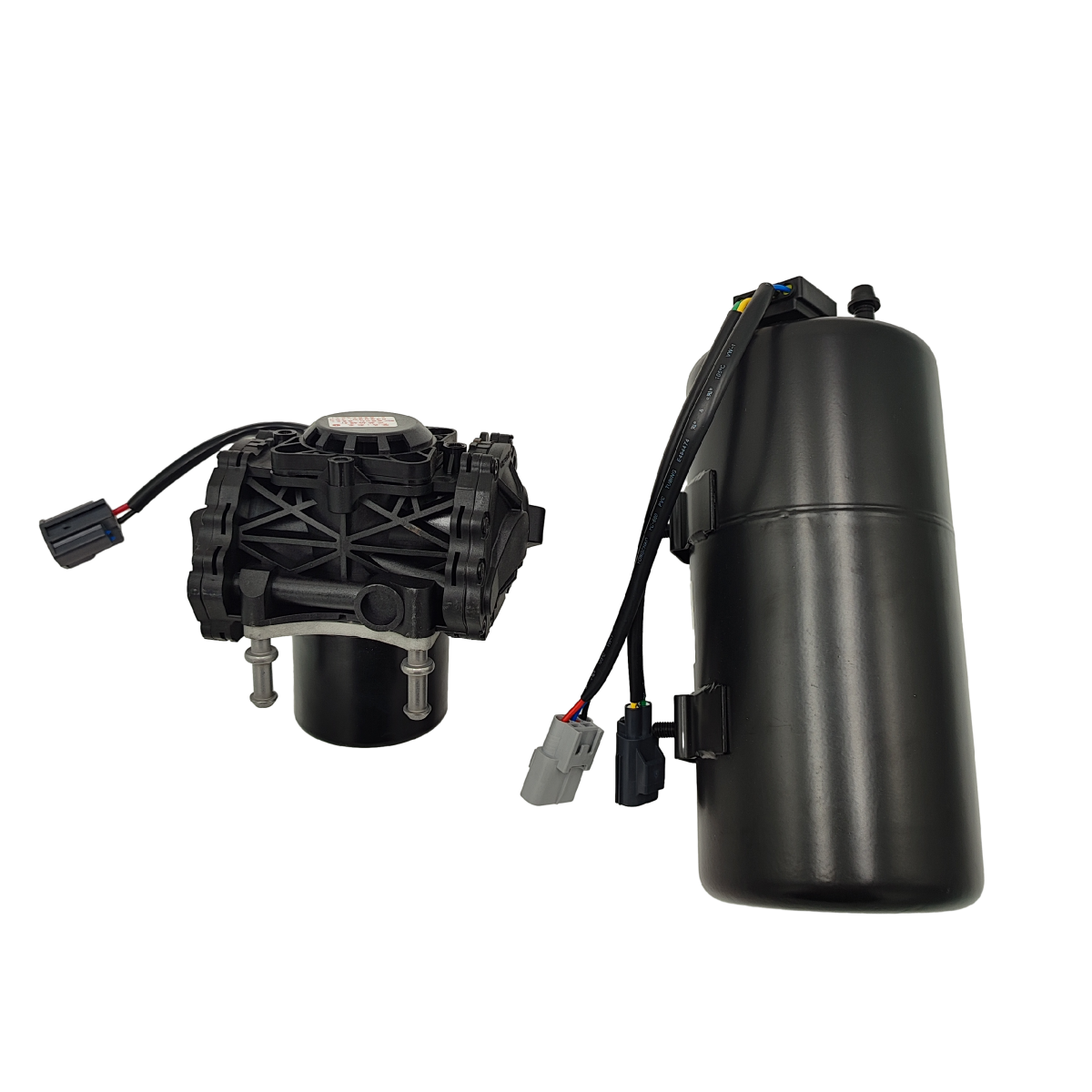
GMT 12V Electronic Vacuum Pump for Brake Booster
Ideal for electric vehicles weighing 2 to 5 tons. Provides reliable vacuum pressure for power brake systems.
View Product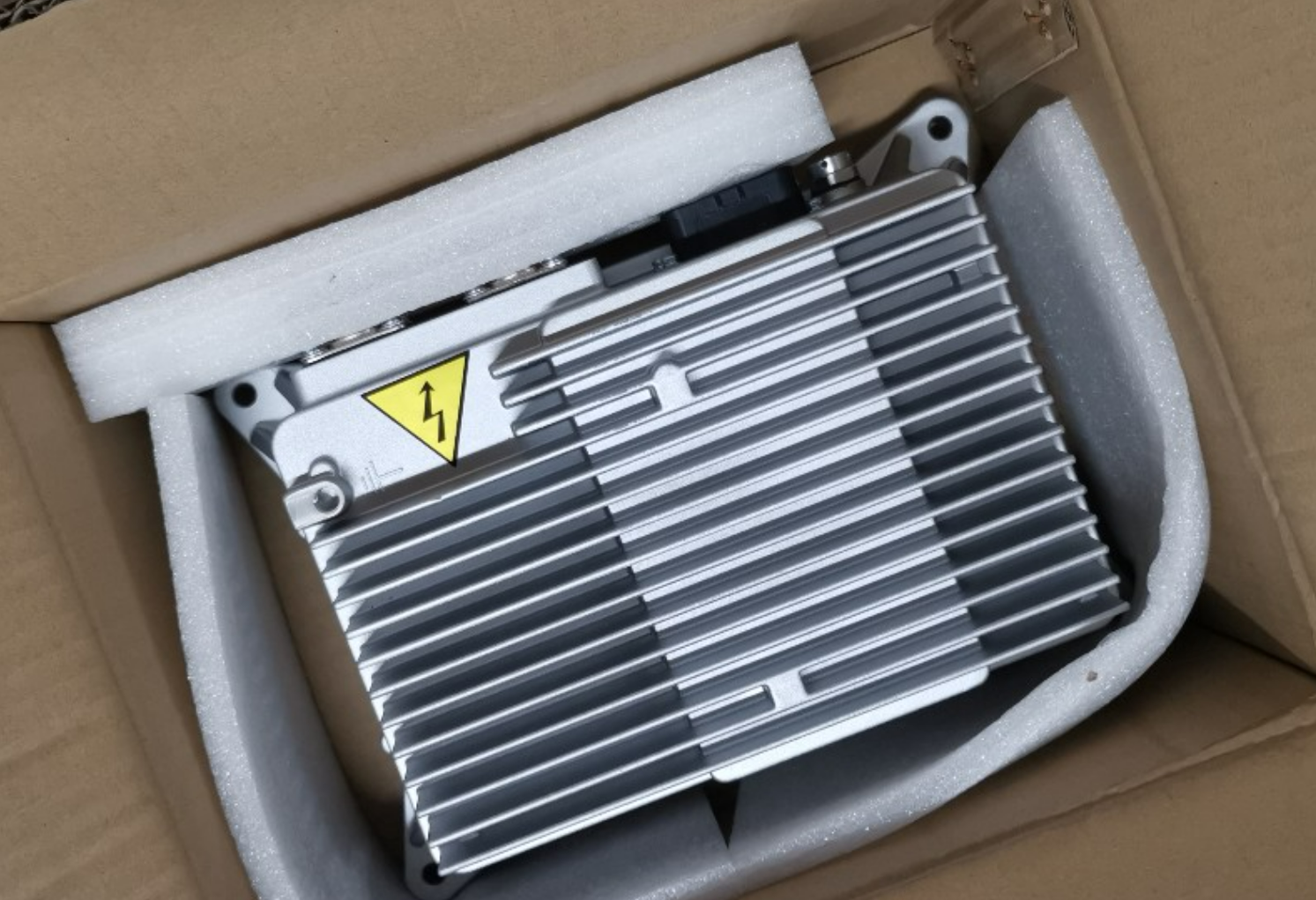
High Voltage Vacuum Pump for Bus and Truck
Designed for large vehicles like buses and trucks. Handles high voltage requirements for commercial applications.
View Product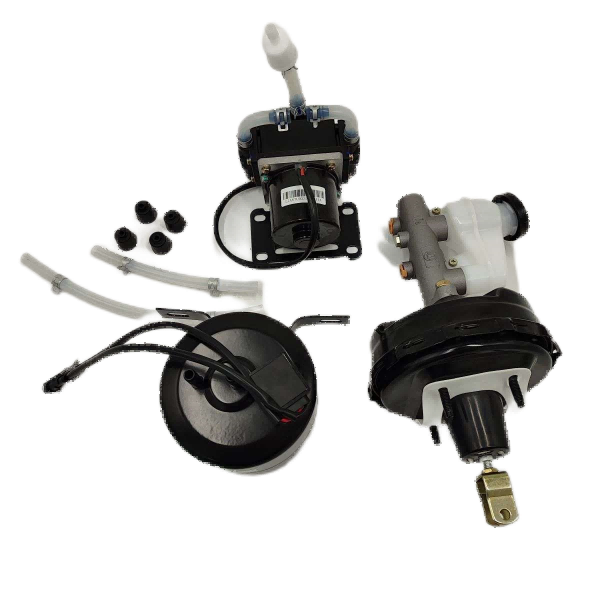
12V Vacuum Pump Booster
Compact and efficient 12V vacuum pump suitable for various vehicle applications requiring auxiliary brake boost.
View ProductBraking System Maintenance Tips
Proper maintenance is crucial for ensuring your braking system functions correctly when you need it most. Follow these guidelines to keep your brakes in optimal condition.
Regular Inspections
Have a certified technician inspect your entire brake system at least once a year or according to your vehicle manufacturer's recommendations. Regular inspections can identify issues before they become serious problems.
Brake Fluid Flush
Brake fluid absorbs moisture over time, which can lead to reduced braking performance and corrosion within the system. Flush and replace brake fluid every 2 years or 30,000 miles.
Brake Pad Replacement
Monitor brake pad thickness and replace them before they wear down completely. Most manufacturers recommend replacement when pads reach 3mm of thickness.
Rotor Maintenance
Brake rotors should be inspected for warping, scoring, and minimum thickness specifications. Resurface or replace rotors as needed when changing brake pads.
Listen for Warning Signs
Pay attention to warning signs like squealing, grinding noises, vibration when braking, or a soft brake pedal. These indicate potential issues that need immediate attention.
Safety Warning
Never ignore brake problems. If you experience any issues with your braking system, have it inspected by a professional immediately. Faulty brakes can lead to accidents and injuries.
Braking System FAQs
Common questions and answers about vehicle braking systems to help you better understand and maintain your brakes.
Brake pad replacement intervals vary based on driving habits, vehicle type, and pad material. Generally, front brake pads last between 30,000-70,000 miles, while rear brakes may last longer. Always follow your vehicle manufacturer's recommendations and have your brakes inspected regularly.
Common warning signs include: squealing or grinding noises when braking, vibration or pulsation in the brake pedal, longer stopping distances, the vehicle pulling to one side when braking, and the brake warning light illuminating on your dashboard.
Ceramic brake pads are quieter, produce less dust, and offer consistent performance across a wide temperature range. Semi-metallic pads typically provide better stopping power and heat dissipation but may produce more noise and dust. Your choice depends on your driving needs and vehicle specifications.
A soft or spongy brake pedal often indicates air in the brake lines or contaminated brake fluid. It could also signal a problem with the master cylinder. This issue should be addressed immediately as it reduces braking efficiency.
The Anti-lock Braking System (ABS) prevents wheels from locking up during hard braking by rapidly modulating brake pressure to each wheel. This allows the driver to maintain steering control while braking heavily, helping to avoid obstacles and reducing stopping distances on slippery surfaces.
It's generally recommended to replace brakes in axle sets (both front or both rear) to maintain balanced braking performance. Replacing brakes on only one side can lead to uneven braking and vehicle pulling.

