

As global emphasis on environmental protection and sustainable development intensifies, new energy electric tractors are rapidly transforming agricultural practices. These advanced machines combine traditional tractor functionality with eco-friendly, energy-efficient operation, offering revolutionary benefits for modern farming. This comprehensive analysis explores the applications, structural features, and market potential of electric tractors in contemporary agriculture.
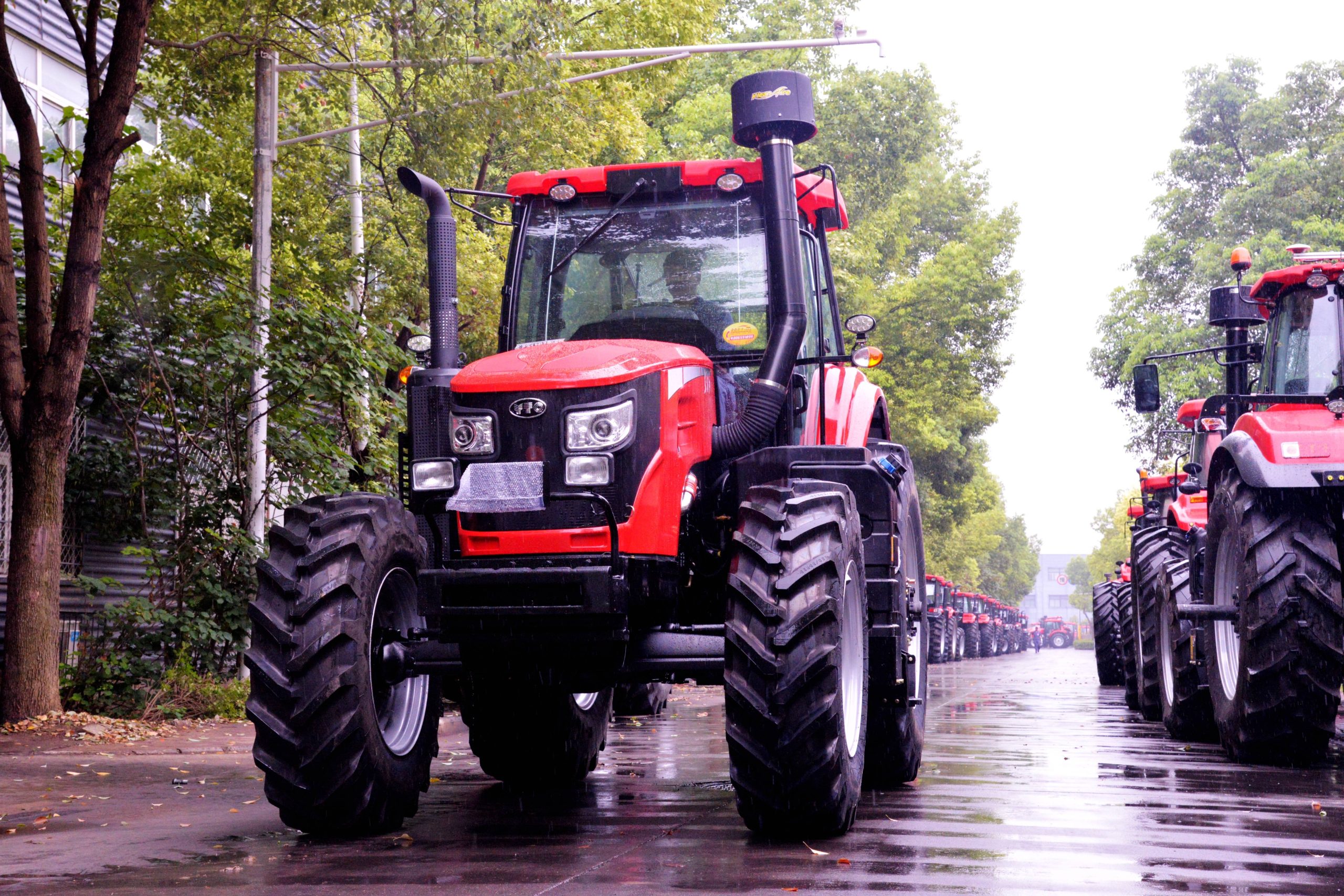
Application Scenarios of New Energy Electric Tractors
Agricultural Operations
Electric tractors demonstrate exceptional performance across diverse agricultural operations. Models like the Lutong ET804 utilize advanced electric drive systems to achieve zero emissions while meeting rigorous environmental standards. With energy conversion efficiency significantly surpassing traditional diesel engines, these tractors deliver substantial operational cost savings.
The ET804's high-performance electric drive system provides robust power output suitable for seeding, fertilizing, harvesting, and other essential farming tasks. For large-scale operations, the Lingong 9E series offers over 600 horsepower using series hybrid technology, specifically engineered for extensive farming applications with optimized fuel efficiency.

Horticultural Applications
In horticultural settings, electric tractors excel through their compatibility with specialized implements including pruning equipment and precision sprayers. The ET804 model features an efficient transmission system that ensures consistent power delivery for delicate horticultural operations, enhancing productivity while reducing environmental impact.
Logistics and Transportation
Beyond traditional farming, electric tractors are increasingly deployed in logistics operations. Their compact design and zero-emission operation make them ideal for warehouse environments and transportation yards, where they improve material handling efficiency while maximizing storage density.
Structural Analysis of New Energy Electric Tractors
Advanced Power Systems
The power system represents the core technological innovation in electric tractors. Utilizing lithium-ion batteries or hydrogen fuel cells as primary energy sources, these systems convert chemical energy to mechanical power with exceptional efficiency. The transmission system ensures optimal power distribution to all operational components.
Leading models like the Lingong 7E series incorporate electromechanical coupling continuously variable transmission (EMCVT) technology, while the 8E series features revolutionary four-wheel independent hub drive systems. GMT offers comprehensive battery solutions ranging from 48V to 540V configurations to address diverse operational requirements.
Intelligent Control Systems
Sophisticated control systems manage all aspects of electric tractor operation. Motor controllers regulate acceleration, deceleration, and directional changes, while battery management systems protect against overcharging and excessive discharge. Hydraulic control systems manage implement functions with precision.
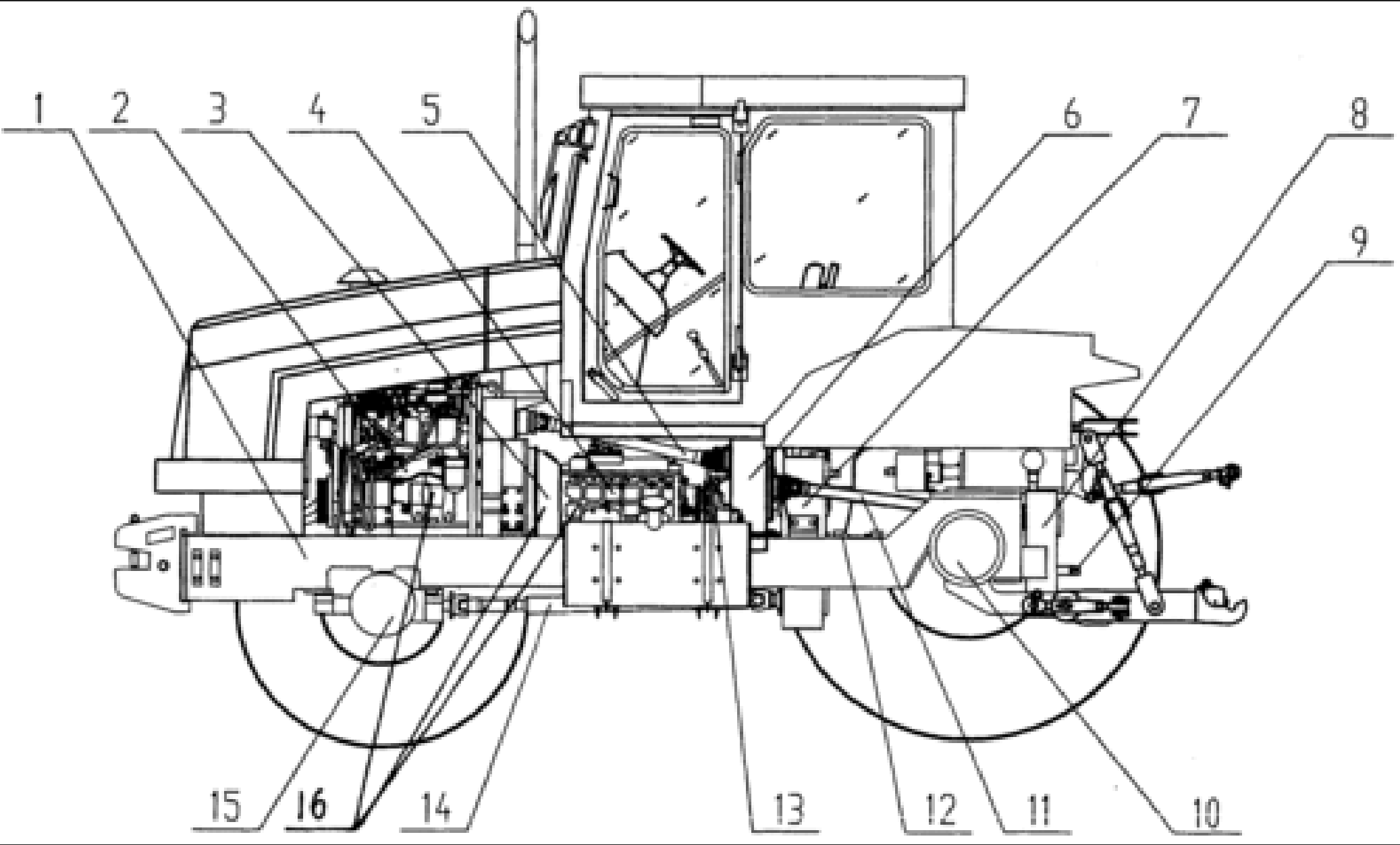
Advanced safety systems including regenerative braking, ABS, intelligent cruise control, and collision avoidance ensure secure operation in challenging environments. The ET804's intelligent monitoring system tracks critical parameters in real-time, optimizing performance based on operational demands.
Optimized Body Design
Electric tractor designs prioritize stability, operator comfort, and efficiency. Lightweight materials including aluminum alloys and high-strength steels reduce overall mass while maintaining structural integrity, resulting in improved energy efficiency and enhanced performance.
The Lingong 4H series introduces hydraulic mechanical coupling continuously variable transmission (HMCVT) technology to medium-horsepower tractors, enabling seamless speed adjustment from 0-40 km/h. Dual-speed steering technology reduces turning radius to under 3 meters, significantly improving maneuverability in confined spaces.
Supporting Infrastructure
Compatible implements and charging infrastructure are essential components of the electric tractor ecosystem. The ET804 features rapid charging capabilities that minimize downtime, while high-capacity battery systems with advanced BMS technology ensure extended operational periods for demanding agricultural schedules.

Technical Advantages and Market Outlook
Electric tractors are transforming agricultural and logistics operations through their environmental benefits, operational efficiency, and cost-effectiveness. Industry projections indicate electric tractor adoption will exceed 25% of the global agricultural market by 2025, driven by advancing technology and growing sustainability mandates.
Complete elimination of exhaust pollutants for improved working environments
60%+ reduction in energy costs compared to diesel-powered alternatives
40% lower maintenance requirements than conventional tractors
Precision control systems enabling automated functions and remote monitoring
Further Reading
Expand your knowledge with these recommended resources:
Conclusion
New energy electric tractors represent a fundamental shift in agricultural machinery, combining environmental responsibility with operational excellence. As battery technology advances and charging infrastructure expands, these innovative machines will continue to demonstrate their value across diverse applications, delivering substantial benefits for agricultural productivity and sustainable development.
GMT continues to lead as a premier provider of electric drive solutions, offering comprehensive technical support and product innovations that advance agriculture toward greener, more intelligent operations.
Ready to Experience the Electric Tractor Advantage?
Join thousands of forward-thinking farmers who have already transitioned to clean, efficient electric tractor technology.
Schedule Your Demonstration TodayFrequently Asked Questions
Most modern electric tractors provide 6-10 hours of continuous operation under normal working conditions. Advanced models with high-capacity battery systems can extend this to 12+ hours for extended farming operations.
Electric tractors can utilize standard agricultural power sources with compatible charging stations. Fast-charging technology can replenish 80% of battery capacity in 2-3 hours, while overnight charging completes full replenishment.
Yes, modern electric tractors deliver torque and power comparable to or exceeding equivalent diesel models. High-performance models like the Lingong 9E series offer over 600 horsepower, suitable for the most demanding agricultural applications.
While initial purchase prices may be higher, electric tractors typically offer 40-60% lower operating costs and 30-40% reduced maintenance expenses, resulting in lower total cost of ownership over 3-5 years.
Modern electric tractors incorporate thermal management systems that maintain optimal battery temperature in cold conditions. While range may decrease slightly in extreme cold, performance remains consistent for most agricultural applications.


