

With increasing environmental awareness and maturing electric technology, 2025 sees more classic car owners choosing EV electric conversions to breathe new life into their beloved vehicles. As an icon of British retro design—the Austin Mini—with its lightweight body, simple mechanical structure, and timeless cultural appeal, has become a popular model for electric conversion.
This guide will comprehensively analyze the mainstream electric conversion kits suitable for the Austin Mini and outline the key considerations during the conversion process, helping you plan each step precisely and effectively avoid common pitfalls.
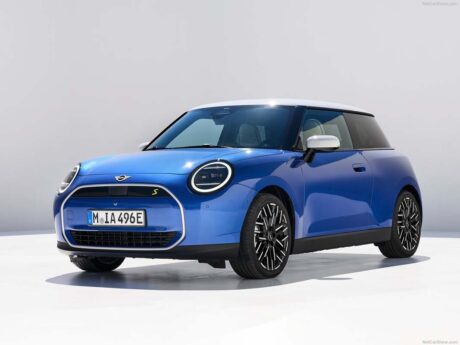
1. Why Choose to Electrify Your Austin Mini?
Since its debut in 1959, the Austin Mini has captivated the world with its compact size, agile handling, and approachable character. In the new energy era, this "urban elf" reveals new advantages:
- Eco-Friendly and Efficient: Zero tailpipe emissions, completely eliminating fuel consumption and pollution.
- Lower Maintenance Costs: No engine oil needed, fewer moving parts, significantly reduced long-term maintenance costs.
- Enhanced Driving Experience: Instant motor torque provides a more responsive urban driving experience.
- Value Appreciation: Professionally converted Minis often command premiums in auction markets.
And a successful conversion begins with choosing the right Austin Mini electric conversion kit.
2. Main Challenges and Solutions for Mini Electrification
Despite its great potential, you must understand the following challenges before starting:
- Space Limitations: The compact engine bay requires highly customized battery, controller, and auxiliary system layouts to maintain original weight distribution and handling.
- Component Aging: Most Minis are over 40 years old—chassis and wiring harnesses typically require comprehensive inspection and refurbishment.
- Control System Complexity: CAN bus integration and BMS configuration present certain technical barriers for DIY enthusiasts.
- Regulatory Compliance: Regulations vary by region, with some requiring special inspections, certifications, or registration updates.

3. In-Depth Comparison of Mainstream Austin Mini Electric Conversion Kits
Your kit choice directly determines performance, reliability, and future maintenance. Here are the leading solutions on the market:
| Kit Brand/Platform | Motor Configuration | Battery Capacity | Key Features | Best For |
|---|---|---|---|---|
| CMVTE Mini EV Kit | Hyper 9 AC Motor | 24kWh Modular | Retains original transmission; customizable instrument panel; high compatibility | Global enthusiasts seeking authentic driving feel |
| Electric Classic Cars (UK) | AC Single Motor | 20-30kWh | Plug-and-play design; retains original suspension/steering | UK-based DIY enthusiasts |
| Swind EV Classic Mini Kit | Dedicated RWD Motor | 24kWh (~200km WLTP) | OEM-level integration; unified control system | Premium/collector market |
| EV West Classic Mini Kit | NetGain Hyper9 | 25kWh (Expandable) | Lightweight modules; optimized for US-spec Minis | North American owners & professional shops |
| DIY Component Assembly | AC/DC Motor + BMS + Controller | Highly Customizable | Maximum flexibility; budget controllable | Technically experienced converters |
4. Core Conversion Checklist and Key Technical Decisions
Motor Selection
- Choose a 60-100kW AC motor to balance power and compatibility.
- Decide whether to retain the manual transmission to maintain the classic driving engagement.
Battery Strategy
- Choose a modular lithium battery solution (such as Tesla or EVE modules).
- Capacity recommendation: ≥20kWh (daily use) or 30kWh+ (long-distance needs).
Control System
- Use a smart BMS and controller with CAN bus to allow for future upgrades.
- Install a digital instrument cluster (like Orion EVIC) for real-time data monitoring.
Auxiliary Systems
- Add an electric AC compressor and electric power steering pump.
- Integrate a PTC or heat pump heating system for cold climates.
Regulatory Compliance
- Consult local transportation authorities about specific inspection and registration requirements.
- Note: Policies in the UK, Australia, New Zealand, etc., are relatively friendly toward EV conversions.
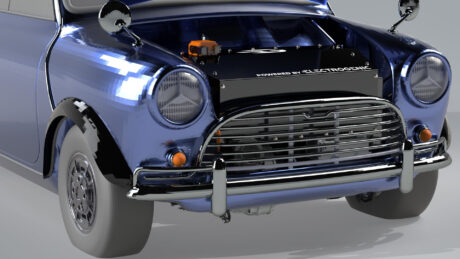
5. Cost and Timeline Estimates
| Conversion Type | Estimated Cost (USD) | Project Duration | Suitable For |
|---|---|---|---|
| DIY Kit Installation | $11,000 - $17,000 | 2-4 months | Technically capable enthusiasts |
| Commercial Turnkey Kit | $18,000 - $26,000 | 2-3 months | Users seeking plug-and-play solutions |
| Fully Custom Conversion | $30,000+ | 1-2 months* | Show cars/collectors |
*Professional labor costs typically add $4,000 - $8,000. Timeline estimates are based on ideal workshop availability.
Start Your Mini EV Conversion Journey!Frequently Asked Questions (FAQ)
7. Summary: When Classic Meets Electric
Electrification isn't about erasing heritage; it's an innovation of reinvention. Merging the timeless design of the Austin Mini with modern EV technology preserves the charm of mechanical artistry while embracing the future of sustainable mobility.
Ready to start your EV conversion journey? A suitable Austin Mini electric conversion kit is your cornerstone to success.

