
Complete Guide to Gas to Electric Conversion Kits
Converting your gasoline-powered vehicle to an electric one is an exciting and increasingly popular project. A gas to electric conversion kit provides the essential components needed to make this transformation. This comprehensive guide will walk you through everything you need to know about the conversion process, the core components involved, important considerations, pricing, and frequently asked questions.
Whether you're motivated by environmental concerns, the desire for lower operating costs, or simply the thrill of a DIY project, understanding the intricacies of a gas to electric conversion kit is the first step towards a cleaner, quieter ride. This page aims to be your ultimate resource for planning and executing your conversion.
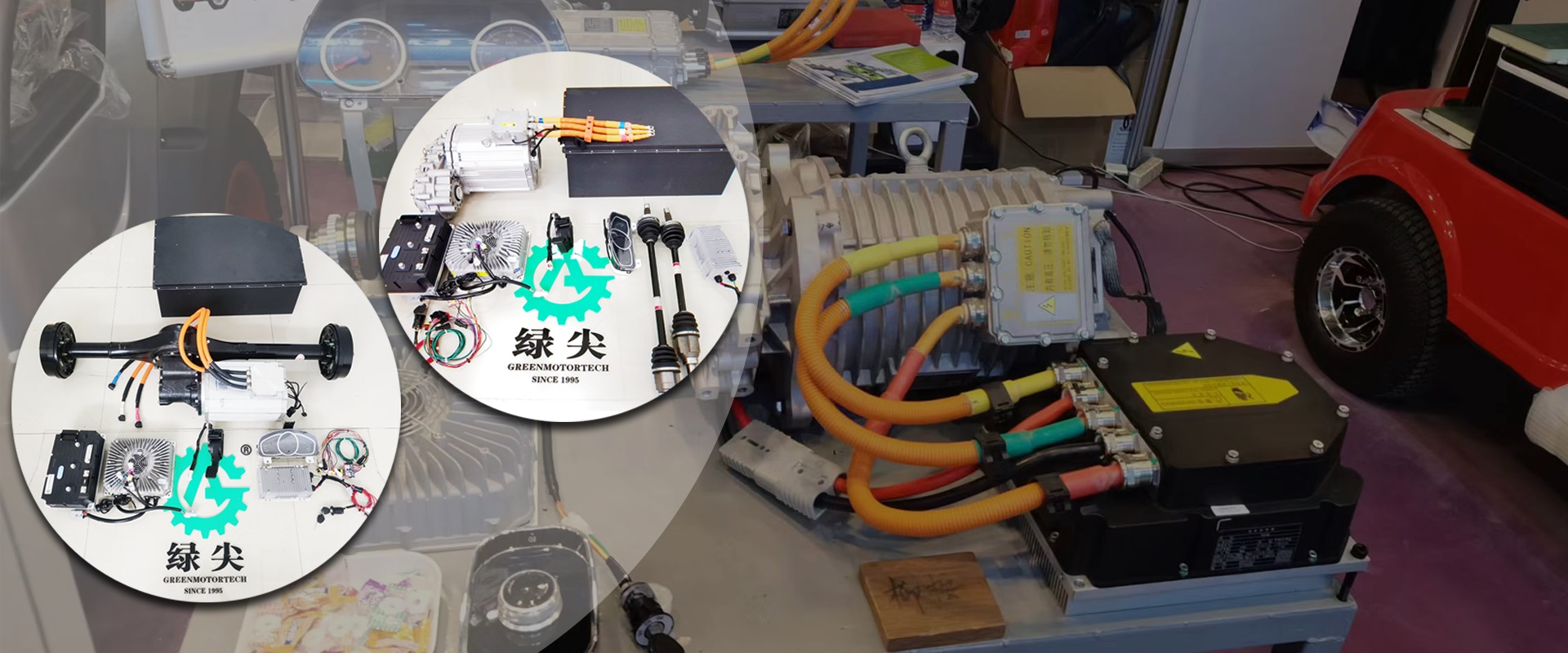
Essential Components of a Gas to Electric Conversion Kit
A successful conversion requires replacing or supplementing several key systems in your vehicle. Each component plays a crucial role in the functionality and performance of your new electric vehicle. Below is a breakdown of the core parts typically found in a gas to electric conversion kit, along with their functions and considerations.
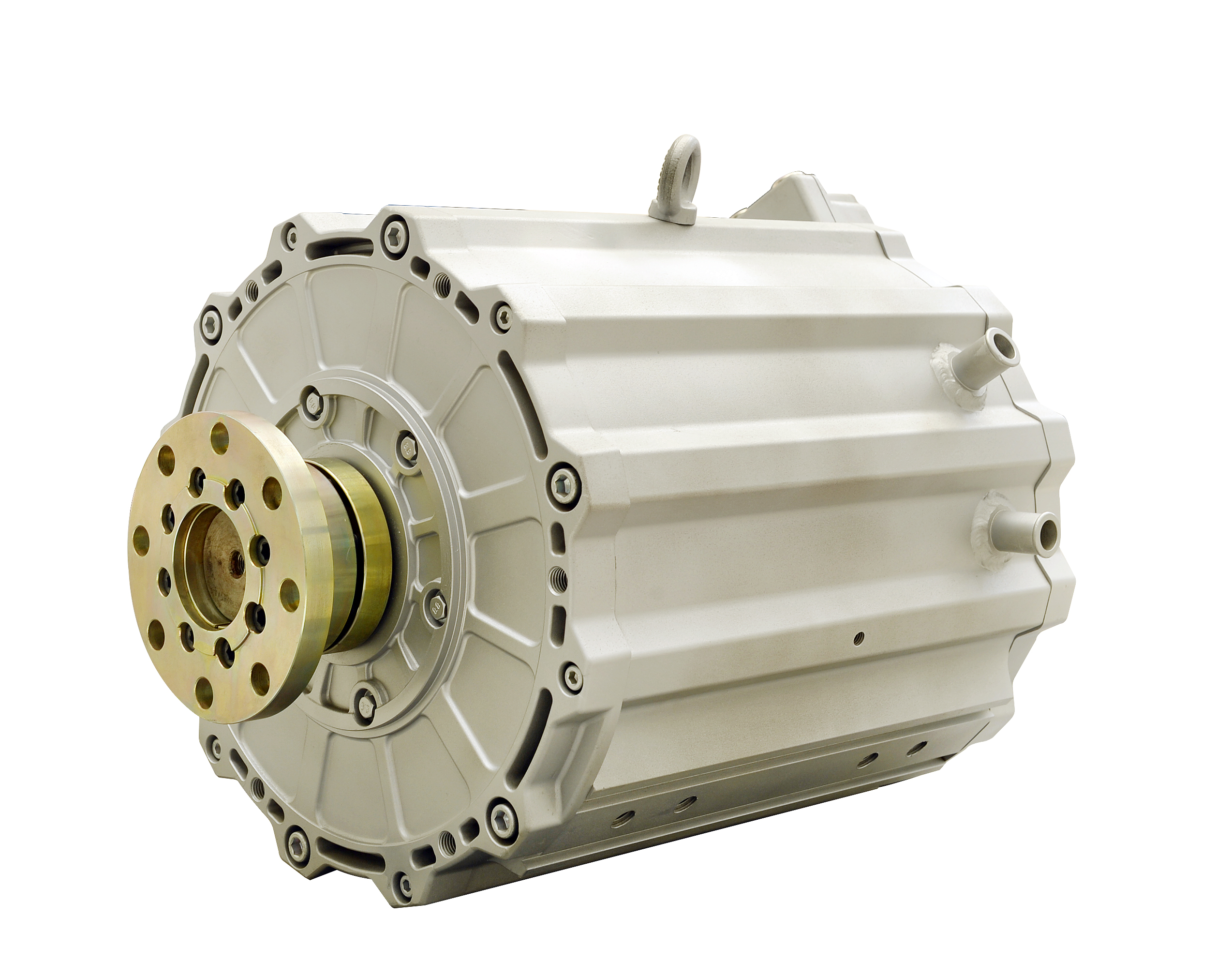
Electric Motor (Replaces Gas Engine)
The electric motor is the heart of your converted EV. It replaces the internal combustion engine and converts electrical energy from the battery pack into mechanical energy to turn the wheels. Key considerations include motor type (AC vs. DC), power output (measured in kilowatts or horsepower), and mounting compatibility with your vehicle's existing engine bay.
Explore Electric Motors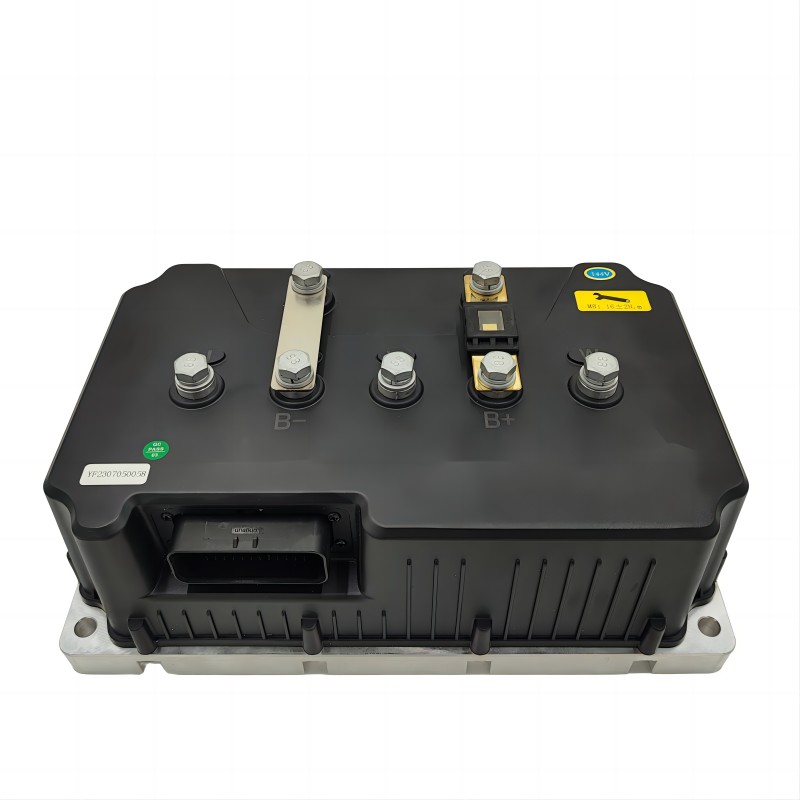
Motor Controller (Manages Power Flow)
The motor controller acts as the brain, regulating the flow of electricity from the battery pack to the electric motor based on input from the accelerator pedal. It determines the motor's speed and torque. Matching the controller's voltage and current ratings to your motor and battery pack is crucial for optimal performance and safety.
Find Motor Controllers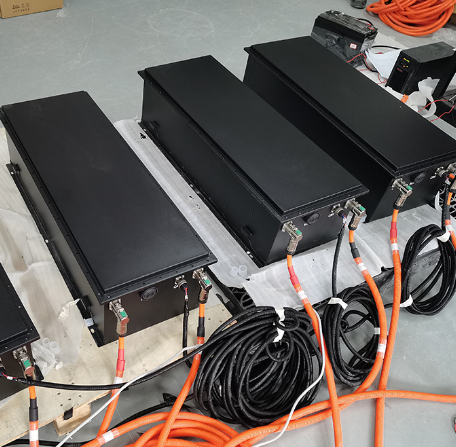
Battery Pack (Stores Electrical Energy)
The battery pack stores the electrical energy needed to power the motor. It consists of multiple battery cells connected together. Factors to consider include battery chemistry (e.g., Lithium-ion, LiFePO4), total capacity (measured in kilowatt-hours), voltage, weight, space constraints, and charging capabilities. The battery pack significantly impacts range and performance.
Shop Battery Packs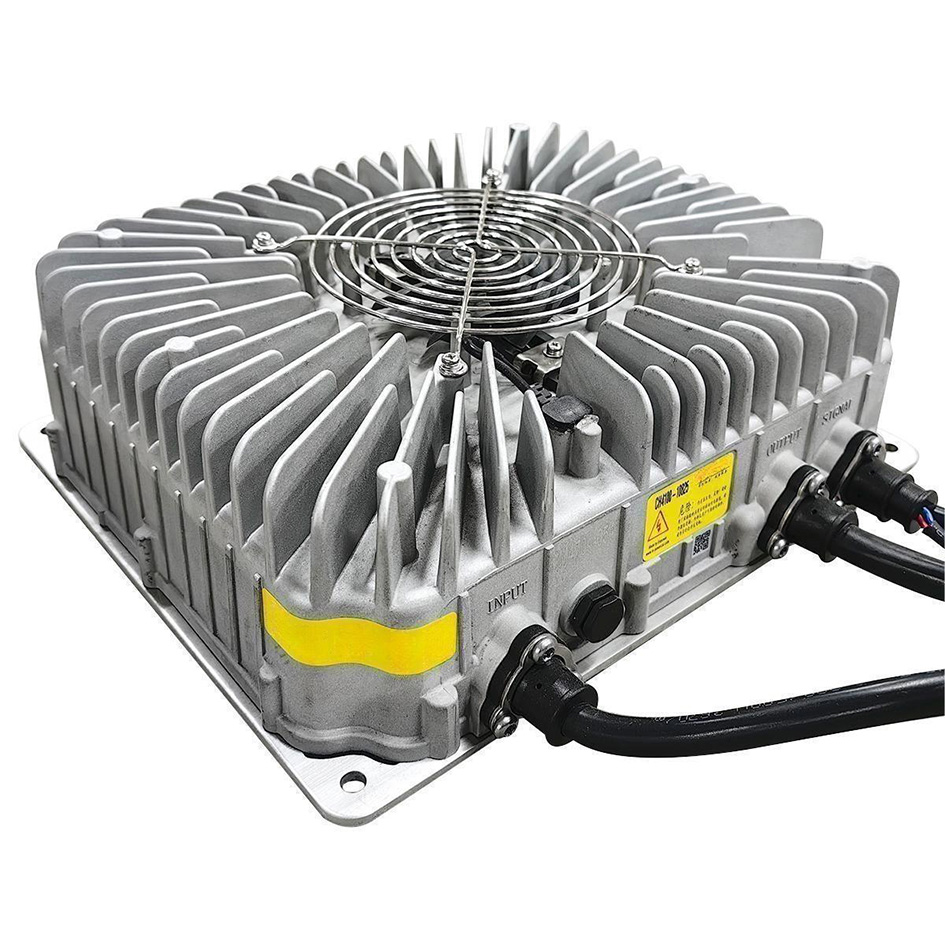
Onboard Charger (Converts AC to DC)
An onboard charger is necessary to convert AC power from a standard wall outlet or charging station into DC power to charge the battery pack. Considerations include charging power (kW), input voltage compatibility (Level 1 or Level 2 charging), and integration with the vehicle's electrical system. Some kits may require an external charger instead.
View Onboard Chargers
DC-DC Converter (Powers 12V Systems)
In a gasoline car, the alternator charges the 12V battery. In an EV, a DC-DC converter steps down the high voltage from the main battery pack to charge the 12V auxiliary battery, which powers lights, the radio, and other low-voltage systems. Ensure the converter can handle the power demands of your vehicle's 12V system.
See DC-DC Converters
Adapters, Mounts & Miscellaneous Parts
A comprehensive gas to electric conversion kit often includes various adapters, mounting brackets, wiring harnesses, contactors (high-power switches), fuses, and sometimes even instrument clusters or dash modification parts. These components ensure all major systems fit correctly and integrate safely within your vehicle's existing structure.
Browse Conversion PartsImportant Considerations for Gas to Electric Conversion
Converting a gasoline vehicle to electric is a complex project that requires careful planning and execution. Here are critical points to keep in mind:
- Vehicle Selection: Not all cars are equally suitable. Lighter vehicles with manual transmissions and simple drivetrains are generally easier and more cost-effective to convert.
- Range & Performance: The chosen components, especially the battery pack, will directly affect your vehicle's range and acceleration. Balance your needs with budget and component availability.
- Weight Distribution: Heavy battery packs can significantly alter a vehicle's weight distribution and handling. Proper placement is crucial for safety and performance.
- High Voltage Safety: EV systems operate at high voltages that can be lethal. Proper insulation, safety procedures, and ideally, professional guidance are paramount. Always follow safety protocols.
- Regulatory Compliance: Regulations for converted vehicles vary by location. Ensure your conversion meets local requirements for registration, safety inspections, and emissions (if applicable).
- Mechanical Modifications: Removing the gas engine, fuel system, and exhaust often requires significant mechanical fabrication and modification.
The CMVTE team understands the intricacies of electric vehicle conversions. We offer expert consultation and tailored conversion solution to help you navigate these complexities safely and effectively.
Need Expert Guidance? Contact CMVTE for professional support on your conversion project.
Pricing and Purchasing Conversion Components
The cost of a gas to electric conversion kit can vary widely, ranging from a few thousand dollars for a basic, DIY setup to over $20,000 or more for a high-performance, professionally installed system. Factors influencing price include:
- Component Quality & Brand: Premium components from established manufacturers typically cost more but offer better reliability and warranty support.
- Desired Range & Performance: Higher capacity batteries and more powerful motors/controllers significantly increase costs.
- Kit Completeness: Comprehensive kits that include almost everything needed are convenient but often more expensive than sourcing components individually.
- New vs. Refurbished: Refurbished or used components can offer savings, but condition and warranty must be carefully evaluated.
At CMVTE, we leverage our two decades of industry experience to source and provide high-quality, cost-effective components for your conversion. We focus on delivering excellent value without compromising on the reliability and performance of your electric vehicle. Our team can help you select the best combination of parts based on your specific vehicle, budget, and driving needs.
We also offer comprehensive support services, from initial consultation to helping you find the right balance between performance, range, and cost for your unique project.
Frequently Asked Questions (FAQ) about Gas to Electric Conversion Kits
A: It depends on your goals. Benefits include zero local emissions, lower fuel costs, reduced maintenance (no oil changes, fewer moving parts), and a unique, rewarding project. Drawbacks include high upfront costs, potential range limitations, complexity of the project, and regulatory hurdles. Consider your budget, technical skills, and driving needs carefully.
A: As mentioned, costs vary greatly. A basic DIY kit might start around $5,000-$8,000, while a more comprehensive or high-performance kit can easily exceed $15,000-$25,000. Professional installation adds significantly to the total cost. Always research and compare different kits and component suppliers.
A: For a skilled DIYer, a basic conversion might take several weeks to a few months of dedicated work. More complex conversions or less experienced builders can take considerably longer. Professional conversions also vary in duration based on the shop's schedule and the conversion's complexity.
A: A successful DIY conversion requires knowledge and skills in electrical work (high voltage safety is critical!), mechanical fabrication, basic automotive repair, and often some programming or electronics troubleshooting. If you lack experience in these areas, professional assistance or extensive learning is highly recommended.
A: In theory, yes, but practically, some cars are much better candidates. Smaller, lighter cars with manual transmissions and simpler layouts are generally easier and cheaper. Very large SUVs or trucks require enormous battery packs for reasonable range, making them less practical. Cars with complex electronics or unobtainium parts can also pose challenges.
A: Range is highly dependent on the size and efficiency of the battery pack, the vehicle's weight and aerodynamics, driving habits, and terrain. A typical conversion might achieve 40-100+ miles of range. Careful component selection is key to meeting your range expectations.
A> There are several reputable suppliers globally. Companies like EV West, Metric Mind, and Thunder Electric are well-known. CMVTE partners with trusted suppliers and can provide kits or source components tailored to your project, ensuring quality and compatibility.
A: Regulations vary by country, state, and sometimes city. Many places allow conversions but require the vehicle to pass inspection or be registered as a converted vehicle. It's essential to research the specific laws and requirements in your location before starting the project. CMVTE can advise on regulatory aspects based on your region.
