

The Heart of Your EV Conversion
With 20 years of experience in EV conversions, we know exactly what it takes to build a reliable electric vehicle. At CMVTE, we aren’t just conversion solution experts—we manufacture the motors ourselves in our own factory. We are the company that best understands the conversion process AND the engineering behind the motors. That is our ultimate advantage.
The electric motor is not a minor detail in EV conversion; it dictates your vehicle’s entire powertrain. The power of the motor determines your top speed, the gradients you can climb, and your acceleration. In short, getting the right motor is the most crucial decision in modifying a car.
Types of EV Motors
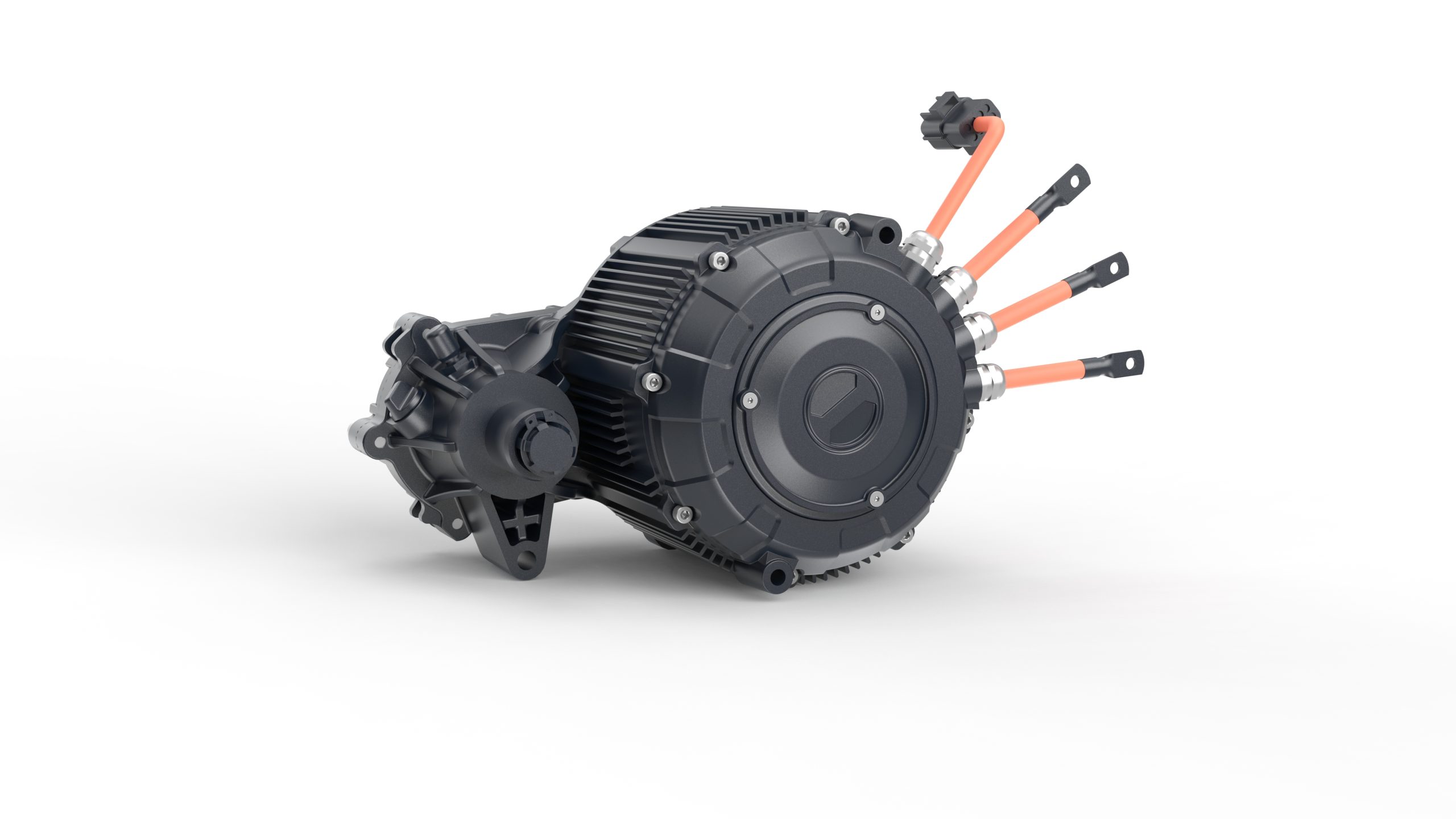
Brushed DC Motor
They are like an heirloom watch—reliable, durable, with a touch of nostalgia. However, because they rely on physical brushes to drive, they require regular maintenance (brush replacements) and are less efficient than brushless options. Their superpower? Producing maximum torque at zero speed. Swoosh!

Brushless DC Motor (BLDC)
The James Bond of EV motors. Smooth, highly efficient, and virtually maintenance-free. BLDC motors use electronics to drive rotation without brushes, making them run quieter than a shadow in the night sky.
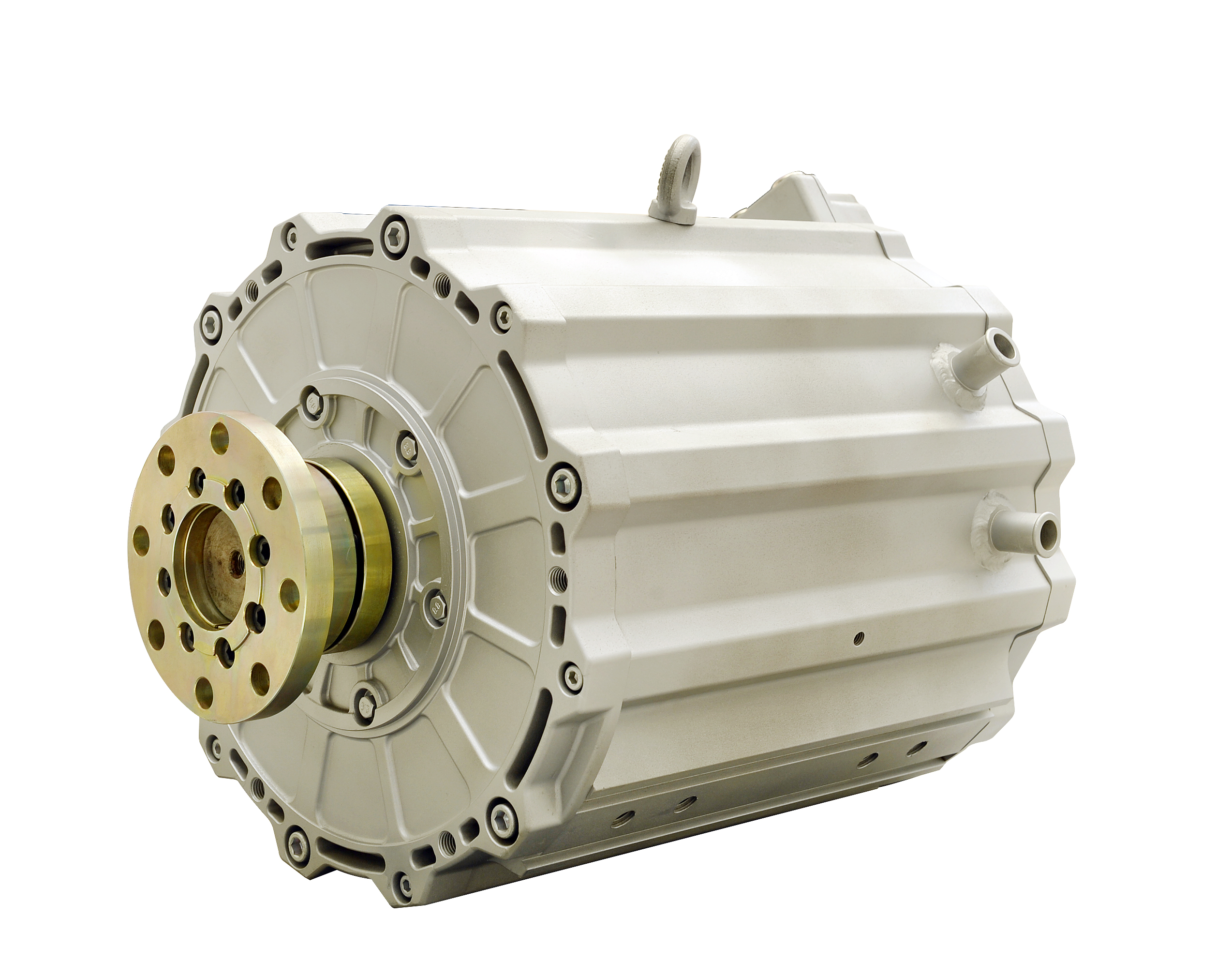
AC Induction Motor
These guys are brushless (awesome!), rugged, and highly reliable. However, there is a trade-off. Induction motors are slightly bulkier, heavier, and less efficient than BLDC motors—but they are definitely more budget-friendly. They are great, just a bit… raw.

Permanent Magnet Synchronous Motor (PMSM)
PMSM combines the best of induction and BLDC motors, making them ultra-efficient and whisper-quiet. Driven by magnets rather than brushes, they deliver staggering torque output and possess incredibly high power density in a compact size. The advanced technology and rare-earth materials do push the price higher.
Explore Our Motors by Power Rating
Key Factors for EV Conversion Motors
When converting a car to electric, planning and design take up a massive amount of energy. If you aren’t a professional, we strongly recommend consulting one before starting your project. Here are the core factors to consider:
-
Power Rating
Calculate the power you need. Are you building a zippy city commuter or a rugged off-road beast? Choose your motor power based on your driving style and road conditions. -
Voltage & Current
Maximum voltage determines your EV’s top speed, while current (Amperage) dictates its acceleration performance. You need to balance these two wisely. -
Space Constraints
Measure your engine bay carefully. Is it compact or spacious? How much working room do you have? Your motor should fit snugly, like peas in a pod. -
Heat Dissipation
Motors generate heat when running. Whether you opt for fans, liquid cooling, or passive heat sinks, ensure there is ample space to keep the motor cool under load.
DIY EV Conversion Pro Tips
- Throttle Response: Want instant gratification? Pick a motor and controller tuned for sharp response. Your EV will dart off the line like a cat chasing a mouse.
- Regenerative Braking: This is essential for modern EVs. Choose a motor system that supports regen braking to save energy and battery life every time you hit the brakes.
- Controller Compatibility: Your motor and its controller must work together in perfect harmony. Always double-check compatibility, or simply buy a pre-matched kit from a reputable manufacturer like CMVTE.
