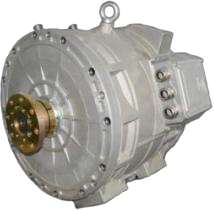
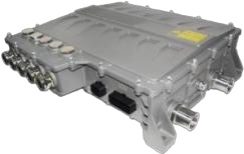
When converting a truck from internal-combustion to electric drive, choosing the right electric motor for truck conversion is one of the most critical decisions you’ll make. It will affect performance, cost, packaging, drivability and the ultimate success of the project. Let’s explore the key factors, pitfalls and best practices — tailored for a truck application rather than a passenger car.
1. Understand the Truck’s Requirements
Before selecting a motor, you must fully map out the truck’s operational profile:
- Vehicle weight & load: A truck carries far more mass, especially when loaded. The curb weight plus payload will determine required torque and continuous power.
- Duty cycle: Will the truck operate city-only, highway, heavy loads, stop-start? Each scenario drives different requirements.
- Speed and gearing: Truck final drive ratios, axle size, top speed targets and load conditions matter. A motor with high rpm may need gearing down to match the axle.
- Continuous vs. peak power: Unlike a passenger car that may require bursts of power, trucks often require sustained continuous output to haul loads over long distances or climbs.
- Thermal load and cooling: Heavy use, prolonged high current, high ambient temperatures — all mean cooling systems become more important in truck conversions.
If you skip this step and jump straight to picking a motor spec sheet, you risk selecting a motor that looks good on paper but fails in real-world heavy duty use.
2. Key Motor Parameters for Truck Conversion
Based on the truck’s requirements, here are the core attributes you should evaluate:
- Torque at zero rpm: Electric motors deliver max torque at zero rpm. For a truck you’ll need high torque to get the vehicle moving with heavy load.
- Rated power & continuous power rating: A motor may list a peak power, but the continuous rating is what matters for sustained loads.
- Voltage and current: Choose a system voltage that your battery pack, control electronics and wiring can support. Higher voltage enables lower current for the same power (P = V × I), meaning lighter cables and less heat.
- RPM range and gearing compatibility: A motor with high max rpm is fine — but if the truck’s final drive is low geared you may need a reduction gearbox or keep rpm matched.
- Cooling / thermal management: Especially for trucks you’ll likely need dedicated cooling (liquid, perhaps) and thermal safety margins.
- Efficiency and regenerative capability: For trucks, maximizing efficiency under load and capturing regenerative braking can significantly affect driving range and operating costs.
- Packaging and adaptation: Size, weight, mountings, insulation and integration with the existing drivetrain must be considered.
The article from Autopilotes highlights that you can’t just pick a motor in isolation — you must consider the whole system design and the operating context.
3. Voltage Systems & Truck Conversion Strategy
Selecting the right voltage band is especially important in truck conversion:
- Low voltage (e.g., ~90-150 V): Works for lighter duty trucks or smaller conversions. But for heavy-duty truck use you may hit current limits, large cables, heat.
- Medium voltage (~300-540 V): Common in many EVs; gives a good balance of power and manageable current. Suitable for many truck conversions.
- High voltage (>600 V): Found in large heavy-duty electric trucks and buses. Enables higher power and efficiency but raises complexity, safety demands, insulation, cost.
For a truck conversion workshop, a 300-400 V architecture is often a sweet spot: strong enough for heavy loads, yet manageable. The Autopilotes-style viewpoint would emphasise matching the motor selection to your battery/inverter/vehicle system rather than chasing highest wattage.
4. Practical Considerations & Pitfalls in Truck Motor Selection
Here are some practicalities that often get overlooked:
- Mounting & adaptation to original gearbox or direct drive: If you retain the original truck transmission or differential, ensure the motor fits and the coupling works.
- Weight addition & centre of gravity: A heavier motor or battery pack changes handling and load distribution — critical in truck safety.
- Cooling infrastructure: Without proper cooling the motor may overheat under heavy loads and long periods — reducing performance or lifespan.
- Support & serviceability: Choose motor manufacturers with good documentation, support, spares. For a conversion business you want repeatable reliable solutions.
- Regulatory/safety compliance: Especially for trucks, commercial use, regional regulations, crash safety, etc may apply.
- Budget vs performance trade-offs: The highest kW motor isn’t always best if you don’t need it or can’t support it. Over-spec can cost more, require bigger battery, heavier wiring etc.
The original Autopilotes article style warrants emphasising these real world trade-offs rather than simply listing specs.
5. Choosing the Best Electric Motor for Truck Conversion
Here’s a step-by-step process to identify the best electric motor for your truck conversion workflow:
- Define your truck application: vehicle type, weight, load, duty cycle.
- Estimate required torque and power: Use weight and acceleration/grade targets.
- Determine system voltage and drivetrain architecture: battery pack size, inverter, wiring, cooling.
- Shortlist motors whose torque, rpm range, continuous power match your needs and are compatible with your voltage.
- Evaluate adaptation factors: physical fit, gearbox/differential interface, mounting, cooling, service support.
- Assess cost, risk and scalability: For your business you want repeatability, strong supplier, spare parts, future scalability.
- Prototype and test under real load conditions: Especially critical for truck use you may need to test under loaded scenarios, hill climbs, sustained motorway speeds.
By following this workflow you’ll avoid the trap of “buying the biggest motor” and instead target the most appropriate motor — which leads to better cost, reliability and user-experience.
6. Why This Matters for Your Conversion Business & Workshop
For a workshop focused on converting trucks, choosing the right motor is not just a technical detail — it is a business enabler:
- It affects your cost structure: motor + inverter + battery + cooling + installation labour.
- It affects your business model: offering conversions that are robust, reliable and certifiable (if commercial trucks) sets you apart.
- It influences your customer satisfaction: a truck that performs well under real loads, has good driving feel and lower maintenance wins recurring business and referrals.
- It allows you to scale: once you standardise on certain motor/voltage architecture, you can streamline manufacturing, parts, testing and deployment.
The tone of the Autopilotes style would stress the long-term engineering and business consequences, not just the “coolness” of the conversion.
7. Conclusion — Final Takeaways
- Selecting an electric motor for truck conversion is a system-level decision: motor + voltage + inverter + battery + cooling + drivetrain.
- Evaluate torque, continuous power, voltage architecture, rpm gearing, cooling and integration early.
- Aim for fit-for-purpose rather than max spec — the best motor is the one that matches your truck’s mission and your workshop’s business model.
- Consider adaptation, serviceability, cost and scalability — these decide whether your conversion business thrives or struggles.
- Prototype, validate under real-world load conditions, and refine your process for repeatable, profitable conversions.
CMVTE can offer best solution and kit for your truck conversion, just contact us if any inquries!