

Converting a Ford Ranger to an electric vehicle involves numerous components, one of which is the vacuum pump braking system. The braking system directly affects the vehicle's braking performance and is crucial for ensuring the safety and reliability of your EV. This guide will walk you through the key factors to consider when selecting the right vacuum pump braking system for your Ford Ranger EV conversion.
Understanding the Importance of Vacuum Pump Braking Systems in EV Conversions
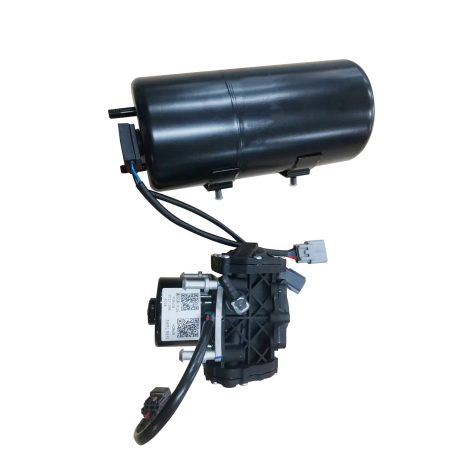
In traditional internal combustion vehicles, the vacuum required for power brake systems is generated by the engine intake manifold. However, in electric vehicles, there's no engine to provide this vacuum, so a vacuum pump must be installed to maintain power brake functionality. The vacuum pump ensures the braking system operates smoothly and provides the necessary assistance to safely stop the vehicle.
8 Key Factors for Selecting a Vacuum Pump Braking System
1. System Compatibility
Ensure the vacuum pump and its related components are compatible with your Ford Ranger's existing braking system. Check compatibility with the vacuum reservoir, brake booster, and any other components that rely on vacuum assistance. Compatibility is crucial for achieving seamless integration and proper operation of the braking system.
2. Vacuum Pump Type
Different types of vacuum pumps are available, including electric vacuum pumps and mechanical vacuum pumps. Electric vacuum pumps are commonly used in EV conversions due to their simple construction and high reliability. Choose the pump type that best fits your needs and the specific requirements of your braking system.
3. Performance and Capacity
Vacuum pump performance is measured by its pumping speed and the maximum vacuum level it can achieve. Select a vacuum pump that can generate sufficient vacuum pressure to meet your braking system's needs. Consider the pump's capacity to ensure it maintains stable performance under various driving conditions.
4. Electrical Requirements and Power Consumption
Consider the vacuum pump's electrical power requirements. Ensure your EV's electrical system can support the pump's power consumption without affecting other components. Check its voltage and current requirements and confirm compatibility with your vehicle's battery and electrical infrastructure.
5. Installation and Space Layout
The physical dimensions and installation requirements of the vacuum pump are important considerations. Ensure the pump can be installed in the available space of your Ford Ranger and can be easily mounted and connected to the braking system. It's also crucial to allow sufficient ventilation and cooling space to prevent overheating.
6. Noise and Vibration Control
Some vacuum pumps may generate noise and vibration that can affect the driving experience. Look for pumps with noise reduction features, or consider installation solutions that minimize vibration. A quiet and smooth-running vacuum pump will enhance the overall comfort and quality of your EV.
7. Reliability and Durability
Choose a vacuum pump designed for continuous operation and built to last. Look for pumps made with high-quality materials and reliable construction to ensure long service life and reduce the risk of failure. Consider the manufacturer's reputation and the product warranty offered.
8. Safety Features
Safety is paramount when it comes to braking systems. Ensure the vacuum pump includes safety features such as overheat protection and automatic shutdown to prevent damage and ensure safe operation. A reliable vacuum pump will give you peace of mind and enhance the overall safety of your EV.

Research Before Purchase and 2025 Market Evaluation
Before making a purchase, conduct thorough research on different vacuum pump options. Read reviews from other EV conversion enthusiasts who have used similar vacuum pumps. Online forums and EV communities can provide valuable insights and brand recommendations based on real-world experience.
Budget Considerations: Investing in Safety and Reliability
Vacuum pump prices vary widely depending on their features and quality.
- Set a Budget: Establish a realistic budget for your vacuum pump purchase.
- Prioritize Reliability and Safety: Prioritize reliability and safety—the braking system is not an area for compromise.
- Long-Term Investment: Consider the long-term benefits of investing in a high-quality vacuum pump that meets your needs and ensures proper braking system operation.
Seeking Professional Advice: Ensuring the Best Choice
If you're unsure which vacuum pump to choose, consider consulting with professionals or experienced EV converters. They can provide expert advice tailored to your specific needs and help you avoid common pitfalls.
Conclusion: Building a Safety Foundation for Your Electric Pickup
Selecting the right vacuum pump braking system for your Ford Ranger EV conversion project is a crucial step in ensuring the safety and reliability of your vehicle's braking system. By carefully considering these eight factors—compatibility, pump type, performance, power consumption, installation, noise and vibration, reliability, safety, and budget—you can make an informed decision. Take the time to conduct research and seek advice when needed, and you'll be well on your way to a successful and worry-free electric driving experience.

