

Lithium Battery Packs for Electric Vehicles
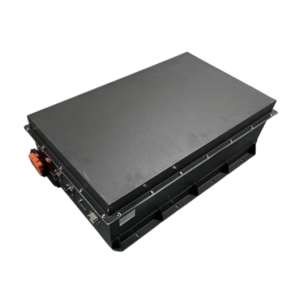
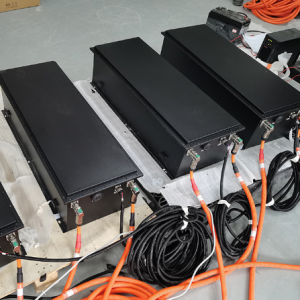
Looking for an EV-ready battery pack that’s safe, high-performance, and easy to integrate? CMVTE supplies LiFePO4 lithium battery packs and modules designed for electric vehicles—supporting everything from compact builds to high-voltage, long-range platforms.
Whether you’re upgrading an electric conversion project, building a utility vehicle, or powering a commercial EV, this page helps you choose the right pack, understand key specs, and see how CMVTE battery systems solve real-world needs: range, reliability, safety, wiring, BMS/CAN communication, and shipping.
What EV buyers usually care about
- Correct voltage/capacity for your motor/controller
- Safety: LiFePO4 chemistry + robust BMS protection
- Integration: CAN communication & reliable connectors
- Real range & energy (kWh), not just Ah
- Modular design for easier installation & service
Why choose CMVTE EV battery packs?
EV battery shopping can be confusing: voltage, Ah, kWh, BMS, connectors, communication protocols, safety, packaging for shipping… CMVTE focuses on practical EV integration—so you get a pack that fits your vehicle and works with your system.
EV-ready voltage options
From low-voltage systems (common in light vehicles and small builds) to high-voltage platforms for higher power and efficiency—CMVTE supports broad EV pack voltage ranges and configurations.
Safety-first LiFePO4 chemistry
LiFePO4 is widely selected for EV applications because of its thermal stability and long service life. Pair that with a well-configured BMS and you get safer, more reliable energy delivery.
Integration support: BMS + CAN communication
Modern EV systems often require communication between the battery and the vehicle/controller. CMVTE packs can support BMS management and CAN communication to help integration go smoother.
Modular packs for build flexibility
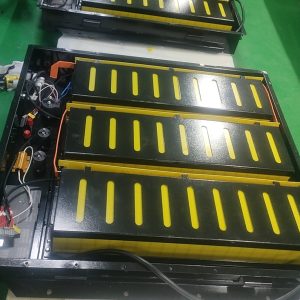
Modular pack architecture can simplify installation, service, and scaling capacity. For high-voltage builds, modular layouts can also help with packaging inside the vehicle.
Featured EV lithium battery packs (ready to view)
Below are high-intent options that match the search “lithium battery packs for electric vehicles”. Each product page includes detailed specs and a quote request—so you can confirm fitment and integration requirements.
How to choose the right lithium battery pack for your EV
Most “wrong battery” problems come from mismatch in voltage, power demand, BMS settings, and packaging. Use the checklist below to avoid expensive rework—and to get a pack that performs safely from day one.
1) Start with your EV system requirements
Before picking a pack, confirm your system voltage target and how the battery will connect to your motor controller.
- System voltage (V): Match your controller/motor voltage class (e.g., 72V / 96V / 144V / 320V+).
- Energy (kWh): Determines range. For the same vehicle, higher kWh typically means longer driving range.
- Power demand (kW): A higher-power vehicle needs a pack that can deliver higher current safely.
- Peak vs continuous: Ask about peak discharge capability for acceleration and hill climbing.
2) Think about integration & safety from the beginning
A battery isn’t just cells—what matters is system protection, monitoring, wiring, and mechanical safety.
- BMS protection: Over/under-voltage, over-current, temperature management, and balancing.
- Communication: CAN capability can help for monitoring, diagnostics, and system coordination.
- Connectors & serviceability: Use reliable connectors and plan how the pack is removed/serviced.
- Packaging: Confirm dimensions, mounting points, and enclosure protection for real road conditions.
Common questions (answered like an engineer)
If you searched “lithium battery packs for electric vehicles”, you probably want more than marketing. Below are practical answers to the questions buyers ask most.
What matters more: Ah or kWh for EV range?
kWh is usually the best single indicator for range. Ah matters only with voltage: kWh ≈ (V × Ah) / 1000. For accurate sizing, consider your vehicle’s real energy consumption (Wh/km or Wh/mile), terrain, load, and speed.
Why is LiFePO4 popular for electric vehicles?
LiFePO4 is valued for thermal stability, cycle life, and consistent performance—especially in demanding EV use. With a proper BMS and enclosure design, it’s a strong choice for safety-focused EV builds.
Do I need CAN communication for my EV battery pack?
Not always, but it’s increasingly useful. CAN can improve monitoring/diagnostics and coordination with other vehicle systems. If your controller/platform expects CAN, choose a pack that supports it.
What should I send in a quote request?
Send: target voltage, motor/controller power (continuous + peak), desired range, installation space (dimensions), CAN needed or not, and your destination for shipping/compliance planning.
Ready to power your electric vehicle with a CMVTE lithium battery pack?
Browse the CMVTE battery category, open the closest matching model, and click Get a Quote. Share your voltage target, controller power, desired range, and installation space—we’ll help match the right EV pack solution.

