

Agricultural operations require reliable, efficient, and versatile vehicles that can handle diverse terrains and tasks. The "Little Mule" represents the next evolution in farm transport—a low-speed electric four-wheel drive vehicle designed specifically for agricultural applications. This guide explores the benefits, specifications, and practical considerations of applying electric vehicle technology in agricultural operations.
Why Electric Power is Ideal for Agricultural Vehicles
Traditional agricultural vehicles typically rely on diesel or gasoline engines, which produce emissions, require frequent maintenance, and create noise pollution. Electric farm vehicles like the "Little Mule" offer a sustainable alternative with numerous advantages for agricultural applications.
Environmental Benefits
Electric farm vehicles produce zero emissions at the point of use, reducing the carbon footprint of agricultural operations. They help maintain better air quality in enclosed spaces like barns and greenhouses, and minimize soil contamination from fuel leaks.
Economic Benefits
Electric farm vehicles offer significant long-term savings with lower operating costs compared to fossil fuel-powered vehicles. Electricity is cheaper than diesel or gasoline, and electric drive systems require less maintenance due to fewer moving parts.
Operational Efficiency
Electric motors deliver instant torque, providing excellent traction and pulling power even at low speeds—perfect for hauling heavy loads over rough terrain. Quiet operation reduces noise pollution, creating a more pleasant working environment.
Core Specifications of the "Little Mule" Four-Wheel Drive Electric Farm Vehicle
| Feature | Specification |
|---|---|
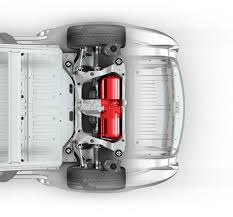
| Powertrain | 72V 5000W brushless DC motor with four-wheel drive capability |
| Battery Capacity | 12-18 kWh lithium iron phosphate battery, safe and long-lasting |
| Operating Range | 50-80 km (depending on terrain and load conditions) |
| Payload Capacity | 700 kg (with reinforced chassis and suspension system) |
| Top Speed | 40 km/h (suitable for low-speed agricultural applications) |
| Charging Time | 3-5 hours (using standard 220V outlet charging) |
Practical Farm Application Scenarios
The versatility of the "Little Mule" makes it suitable for numerous agricultural tasks. Its compact size, four-wheel drive capability, and electric powertrain provide distinct advantages over traditional farm vehicles.
Crop Transport
With its robust payload capacity and low loading height, the "Little Mule" is ideal for transporting harvested crops from fields to storage areas. The electric powertrain ensures produce is not exposed to exhaust fumes during transport.
Livestock Management
The quiet operation of electric vehicles minimizes stress on animals during feeding rounds and other livestock management activities. The four-wheel drive capability provides reliable access to pastures in various weather conditions.
Orchard & Vineyard Operations
The "Little Mule's" compact size and precise control make it perfect for navigating between rows in orchards and vineyards. The emission-free operation prevents contamination of delicate fruit crops.
General Farm Chores
From hauling fencing materials to transporting tools and equipment around the property, the "Little Mule" serves as a versatile utility vehicle, efficiently handling a wide variety of tasks.

Implementation Considerations
Purchasing or transitioning to an electric farm vehicle requires careful planning and consideration of several factors:
Charging Infrastructure: Ensure you have appropriate charging facilities, preferably with weatherproof charging points in convenient locations around your property.
Terrain Assessment: Evaluate the terrain the vehicle will typically traverse. While four-wheel drive provides excellent traction, additional modifications (like specialized tires) may be needed for extremely challenging conditions.
Maintenance Schedule: While electric vehicles require less maintenance than internal combustion vehicles, you should still establish a maintenance schedule for brakes, tires, and battery health monitoring.
Ready to Transform Your Farm Operations?
Join the agricultural revolution with the 2025 "Little Mule" electric farm vehicle. Experience the benefits of zero emissions, lower operating costs, and reliable performance in all farm conditions.
Request a Farm DemonstrationFrequently Asked Questions
Summary
The "Little Mule" represents the future of agricultural transport—combining the reliability and practicality needed for farm operations with the environmental and economic benefits of electric vehicle technology. With its four-wheel drive capability, robust payload capacity, and versatile design, this electric farm vehicle offers a practical solution for modern agricultural needs while reducing operating costs and environmental impact. As agricultural operations continue to shift toward more sustainable practices, electric farm vehicles will play an increasingly important role in the agricultural landscape.

