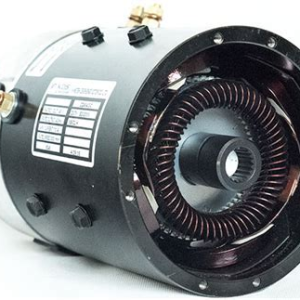
According to the latest 2025 report from the International Council on Clean Transportation, marine electrification can reduce carbon emissions by over 50% while cutting maintenance costs by 60%. This article, written by a senior marine engineer with 15 years of electric propulsion system experience, provides a detailed explanation of the selection, installation, and benefit assessment of marine electric retrofit kits.

1. The Wave of Marine Electrification: 2025 Industry Trends
The global marine electrification market is growing at 18% annually, with more ship owners recognizing the comprehensive advantages of electric propulsion systems:
- Environmental Benefits: Zero-emission navigation, protecting aquatic ecosystems
- Economic Benefits: 60% lower maintenance costs, 80% lower fuel costs
- Performance Improvement: Instant torque output, significantly improved handling
- Value Preservation: 25-40% premium for retrofitted electric vessels on the secondary market
2. Core Components of Marine Electric Retrofit Kits
Modern marine electric retrofit kits are complete propulsion system solutions, typically including:
- Electric Propulsion Motor: Power range 5kW-150kW, adaptable to different vessel sizes
- Marine-Grade Lithium Battery Pack: IP67 waterproof rating, cycle life up to 3,000 cycles
- Smart Motor Controller: Digital throttle interface, precise power output
- Battery Management System: Multiple safety protections, optimized battery performance
- Charging System: Compatible with shore power and solar input, supports fast charging

3. 2025 Mainstream Retrofit Solution Options
Based on vessel type and usage requirements, three retrofit paths are available:
Suitable for inland river or coastal vessels under 12 meters:
- Zero-emission operation, noise below 50 decibels
- 90% reduction in maintenance items
- Range of 40-120 kilometers
Suitable for vessels over 15 meters or scenarios requiring long-range capability:
- Electric propulsion + diesel generator backup
- Range extended to 300+ kilometers
- 45% improvement in fuel efficiency
Non-electric option but significantly improves efficiency:
- Upgrade traditional fuel engine to efficient diesel
- 2-3 year investment recovery period
- Suitable for budget-conscious vessel owners
4. Practical Value Beyond Environmental Benefits
In addition to environmental benefits, electric retrofitting offers multiple advantages:
- Operating Costs: Electricity costs only 1/4 of diesel, with annual savings exceeding $10,000
- Handling Performance: Improved low-speed handling precision, easier docking operations
- Comfort Experience: Vibration elimination, noise reduction to conversation level
- Asset Appreciation: Increasing market acceptance of electric vessels year by year
Professional Advice: When selecting a retrofit solution, be sure to check local government subsidy policies for electric vessels, with some regions offering subsidies of up to 30%.
5. Five Steps to Select the Best Retrofit Solution
Vessel Parameter Assessment
- Vessel length, tonnage, and hull type
- Original engine power and transmission method
- Existing energy system configuration
Usage Requirement Analysis
- Typical voyage distance and operating time
- Speed requirements and load conditions
- Charging facility availability
Budget Planning
- Initial investment and return period
- Financing options and tax optimization
- Accurate operating cost calculations
6. Professional Installation and System Integration
Installation is recommended to be performed by certified marine engineers, with key steps including:
- Removal and disposal of original power system
- Structural reinforcement and equipment base fabrication
- Power system upgrade and safety protection
- Precision alignment installation of propulsion system
- Water testing and system optimization
7. Intelligent Maintenance System
Electric propulsion system maintenance is straightforward, with core tasks including:
- Monthly Inspection: Battery SOC health status monitoring
- Quarterly Maintenance: Anti-corrosion treatment of electrical connection points
- Annual Maintenance: Bearing lubrication and cooling system inspection
- Remote Updates: Online firmware updates for smart systems
8. Avoiding Common Retrofit Risks
Successful retrofitting requires attention to the following key points:
- Balance Calculation: Battery pack location requires professional balance design
- Range Planning: Develop charging strategy based on actual voyage tracks
- Compliance Certification: Report retrofit plan to maritime authorities in advance
Safety Warning: Marine electrical system retrofitting must be performed by certified professionals to ensure compliance with classification society standards.
9. Future Outlook for Marine Electrification
As battery energy density increases by 6-8% annually, the range capability of electric vessels in 2025 has improved by 40% compared to 2020. Global major shipyards have invested over $200 billion in electric vessel technology R&D, marking the arrival of an electrification inflection point in the marine industry.
Taking action now will not only give your vessel a new lease on life but also position you at the forefront of the blue economy transformation, enjoying cleaner, more economical, and more enjoyable sailing experiences.
Get Your Free Marine Electrification Assessment
Receive a personalized analysis of retrofit options, cost savings, and available subsidies for your vessel.
Request Free AssessmentFrequently Asked Questions
How much does a typical marine electric propulsion retrofit cost?
Costs vary significantly based on vessel size and system requirements, but a typical retrofit for a medium-sized recreational vessel ranges from $20,000 to $60,000. This includes the electric motor, battery system, controller, and professional installation. Many owners achieve a return on investment within 3-5 years through fuel and maintenance savings, especially when factoring in available government subsidies that can cover up to 30% of costs in some regions.
What is the typical range of an electric boat after conversion?
Range depends on battery capacity and vessel efficiency, but most fully electric retrofits for vessels under 12 meters achieve 40-120 kilometers on a single charge. Hybrid systems extend this to 300+ kilometers. Modern battery technology continues to improve, with energy density increasing 6-8% annually, meaning today's systems already offer 40% more range than those available just five years ago.
How long does the installation process take?
A professional marine electric retrofit typically takes 2-4 weeks, depending on vessel complexity. The process includes removing the old propulsion system, structural modifications if needed, installing the new electric components, and comprehensive testing. Working with certified marine engineers ensures the installation meets all safety standards and classification society requirements.
Are there subsidies available for marine electrification projects?
Yes, many regions offer significant subsidies for marine electrification. These can cover 20-30% of retrofit costs in some cases. Subsidy programs vary by location and may have specific requirements regarding vessel type, usage, and system specifications. It's essential to research local programs before beginning a retrofit project, as proper documentation and pre-approval are often required to qualify.
How does maintenance for electric propulsion systems compare to traditional engines?
Electric propulsion systems require significantly less maintenance than traditional engines - up to 60% less according to industry data. Instead of oil changes, filter replacements, and complex mechanical adjustments, electric systems primarily need periodic inspections of electrical connections, battery health monitoring, and occasional software updates. The simplified mechanical design with far fewer moving parts translates to both lower maintenance costs and reduced downtime.