

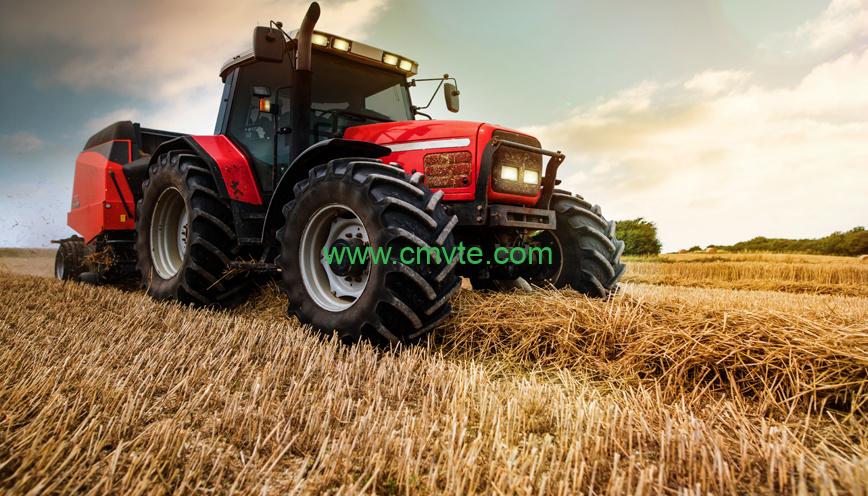
The transition to electric power in agriculture is no longer a futuristic concept—it’s a practical pathway to greater efficiency, lower operating costs, and reduced emissions. For farmers and equipment converters, the heart of a successful electric drivetrain retrofit lies not just in the battery or motor, but in the motor controller. This crucial component acts as the “brain,” precisely managing power delivery from the battery to the motor. Choosing the correct controller is paramount for performance, reliability, and longevity. Here’s a focused guide based on your tractor’s duty class.
Medium-Duty Tractors (30-60kW): The Daily Workhorse
This category covers tractors responsible for routine but essential operations: tilling, planting, cultivating, and light-to-medium hauling. The duty cycle is characterized by sustained, daily use rather than extreme peak loads.
Key Controller Requirements:
-
Consistent Torque & Smooth Control: The motor controller must deliver stable, ripple-free current to provide the consistent low-to-mid-speed torque needed for ground-engagement tasks. Look for controllers with high-resolution sensors and robust algorithms for smooth start-up and precise speed control, which is vital for implement accuracy and operator comfort.
-
Thermal Management & Reliability: While not operating at absolute maximum load continuously, these tractors work long hours. A controller with efficient thermal design (e.g., liquid cooling, high-grade heatsinks) and conservative ratings is essential. It should handle prolonged operation without derating (reducing power due to heat). Reliability over thousands of operating hours is more critical than peak power specs.
-
System Integration & Efficiency: Controllers with integrated features like CAN Bus communication simplify wiring and allow seamless integration with displays, throttle inputs, and implement controls. High switching frequency and efficiency (>95%) minimize energy waste, directly extending valuable battery runtime per charge.
-
Environmental Protection: A minimum IP65/IP67 rating is recommended to ensure complete protection against dust and water ingress from field operations and wash-downs.
Recommendation: Prioritize a liquid-cooled, vector-controlled AC motor controller within the 40-80kW continuous power range. This provides a healthy overhead for the 30-60kW motor, ensuring it runs cool and reliably. Brands known for industrial or automotive-grade durability are ideal.
Heavy-Duty Tractors (70-100kW+): The Power Giants
These are the machines for the toughest jobs: deep plowing, heavy combine harvesting, and towing large implements. Operational demands shift to prolonged high-load operation and immense starting torque requirements to break inertia.
Key Controller Requirements:
-
Exceptional Peak & Starting Torque Capability: The controller must be significantly over-specified for continuous current to deliver 150-200% of the motor’s rated torque for short durations. This is non-negotiable for initial plow penetration or pulling a fully loaded grain cart from a standstill. Look for controllers with a high overload capacity rating.
-
Ruggedized Construction & Advanced Cooling: Heavy-duty operations generate tremendous heat. A high-performance liquid cooling system is mandatory. The controller’s internal components (IGBTs/MOSFETs, capacitors) must be of the highest grade to withstand thermal and electrical stress cycles. Vibration resistance is also critical for off-road durability.
-
High-Voltage Operation: For this power class, moving to a higher DC bus voltage (e.g., 600-800V) is advantageous. It reduces current for the same power, minimizing cable size, I^2R losses, and controller stress. Ensure your battery pack and system insulation are designed to match.
-
Sophisticated Monitoring & Protection: The controller must have comprehensive, real-time monitoring of temperature, current, and voltage. Advanced diagnostic capabilities and fault logging are essential for quick troubleshooting and preventing catastrophic failures during critical seasonal work.
Recommendation: Select an industrial-grade or specialized traction controller designed for heavy equipment. Look for continuous current ratings that match or exceed your motor’s peak demand, not just its nominal power. Focus on products with proven deployments in mining, construction, or marine applications, where similar ruggedness is required.
The Bottom Line
Don’t just match the controller to your motor’s label. Match it to your duty cycle’s real-world demands.
-
For Medium-Duty, think “endurance and consistency.”
-
For Heavy-Duty, think “robustness and peak power reserves.”
Investing in a properly sized, high-quality motor controller from a reputable supplier is the keystone of a reliable, high-performing electric tractor conversion. It ensures your electrified workhorse delivers the power you need, season after season, while maximizing the return on your investment in clean, sustainable farming technology.

