

When converting a Dacia Logan II to electric power, one often overlooked component that significantly impacts the driving experience is the power steering system. The original hydraulic power steering relies on an engine-driven pump, which is no longer available in an electric conversion. Electric Power Steering (EPS) systems are the ideal replacement - efficient, compact, and seamlessly integratable with electric drivetrains. This guide will walk you through selecting the right EPS system for your converted Logan II.
Why is EPS Essential for Electric Vehicle Conversions?
The original hydraulic steering system in the Dacia Logan II draws power from the engine via a belt-driven oil pump - an energy source that no longer exists in an electric vehicle. Without power steering, the vehicle becomes difficult to maneuver, especially at low speeds, as the addition of batteries and motor adds 150-300 kg to the vehicle weight. EPS systems solve this problem by providing steering assistance via an electric motor, with key advantages including:
- Energy Efficiency: EPS consumes electricity only when steering, unlike hydraulic systems that continuously consume energy.
- Compact Design: Can be installed in Logan's cramped engine bay with minimal modifications.
- Adjustable Assistance: Can be tuned to match the vehicle's increased weight and driving style.
Three Main Types of EPS Systems
There are three main types of EPS systems available, each with its own application scenarios:
Column-EPS
Assist motor integrated on the steering column
- Most compact option, ideal for Logan's tight engine bay
- Easy to install, suitable for light to moderate use (e.g., city commuting)
- Provides adequate assistance for most daily driving scenarios
Rack-EPS
Motor directly mounted on the steering rack
- Provides more precise road feel and stronger assistance
- Better suited for highway driving or conversions with heavier battery packs
- Requires more space and may need custom brackets
Pinion-EPS
Motor drives the steering pinion
- Balance between column and rack types
- More durable than column-EPS, more compact than rack-EPS
- Ideal for Logan II conversions seeking performance and space efficiency
Recommendation
For most Logan II conversion projects, Column-EPS is the practical choice due to its ease of installation and suitability for daily driving. Rack-EPS systems are better suited for high-performance conversions or vehicles with significantly increased weight.
Power and Torque Requirements
EPS system performance is determined by its motor power (watts, W) and assist torque (Newton-meters, Nm). The original Logan II steering requires 3-5 Nm of torque without assistance; with power steering, the system should provide 8-12 Nm of torque to handle the increased weight of the electric conversion.
Target range: 150-300 watts. For moderately weighted vehicles used primarily in cities, a 150W system is sufficient; for frequent highway driving or vehicles with large battery packs (30 kWh+), 250-300W systems are better.
Ensure the system is compatible with your 12V auxiliary battery (most EPS units operate at 12V). Also, confirm the EPS controller can handle slight voltage fluctuations (10-14V) from the DC-DC converter.
Compatibility with Steering Geometry
The Logan II has specific steering ratios (typically 16:1 to 18:1) and rack travel. The EPS system must match these parameters to avoid:
- Over-assistance: Results in overly light or sensitive steering feel at high speeds.
- Under-assistance: Steering remains heavy during parking or low-speed turns.
When selecting, check the EPS manufacturer's specifications for compatibility with your steering ratio. Many aftermarket EPS units (such as those from Bosch or ZF) offer adjustable assistance curves, allowing you to fine-tune the feel through the controller - crucial for matching Logan's original driving dynamics.
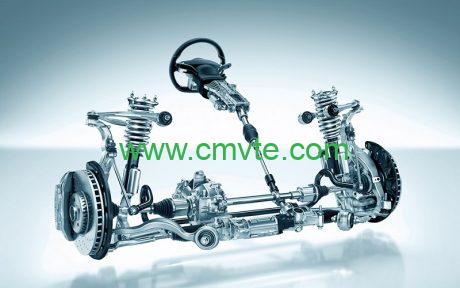
Installation Space and Brackets
Before selecting an EPS system, always measure the space in the engine bay and around the steering column:
Require 10-15 cm of clearance near the steering column (firewall area). Ensure the motor housing doesn't interfere with the dashboard or brake pedal assembly.
Require sufficient space along the steering rack (under the front subframe). Check clearance with (if front-mounted) battery packs and ensure the motor doesn't contact the ground during suspension travel.
Important Safety Note
Most EPS kits come with universal mounting brackets, but you may need custom brackets for a perfect fit with the Logan II. Avoid modifying the steering rack itself, as this could compromise safety.
Integration with Other Vehicle Systems
Modern EPS systems can communicate with other vehicle components, but for DIY conversions, focus on basic integration:
EPS should activate when the vehicle is turned on (via 12V ignition power) and shut off when turned off to save power.
Some EPS units adjust assistance based on vehicle speed (reducing assistance at high speeds for stability). Connecting to Logan's speed sensor (via CAN bus or separate wiring) significantly improves safety and driving experience.
Ensure EPS has built-in safety mechanisms (overcurrent protection, thermal shutdown) to prevent damage during steering lock or motor overheating.

Cost and Procurement Channels
EPS system prices range from $200 (basic column units) to $800 (high-end rack systems). For the Logan II, mid-range products in the $300-500 range (from reliable brands like TRW or Mando) typically offer the best balance of reliability and performance.
OEM Salvage Parts
Used EPS units from compatible vehicles (like Renault Clio or Nissan Micra) can be adapted to the Logan II with minor modifications, effectively reducing costs.
Aftermarket Conversion Kits
Kits specifically designed for EV conversions usually include EPS systems pre-tuned for weight and steering geometry, reducing installation hassle.
Testing and Calibration
After installation, thorough testing is crucial to ensure safe and comfortable steering:
Use the EPS controller to adjust the assistance curve - start with middle settings, then fine-tune based on test drive feel.
The increased weight from the EV conversion may change wheel alignment parameters. Always perform professional wheel alignment to prevent tire wear and tracking issues.
Verify that EPS correctly shuts off when the vehicle is turned off, and that assistance doesn't suddenly cut out during sharp turns or high-speed driving.
Summary
Choosing the right EPS system for your Dacia Logan II electric conversion is about balancing space, power, and compatibility. Column-EPS is the default choice due to its compact design and ease of installation, while rack-EPS systems meet higher performance demands. Prioritize systems with adjustable assistance, 12V compatibility, and robust safety features to match Logan's practical nature.
By properly integrating the EPS and carefully calibrating it for the vehicle's new weight, you'll retain Logan's friendly, easy-to-control driving feel while enjoying the efficiency benefits of electric steering. A well-chosen EPS system will ensure that every turn - whether navigating city streets or cruising on highways - feels natural, safe, and effortless.
Need Help Choosing the Right EPS System?
Our experts can help you select the perfect EPS system for your Dacia Logan II electric conversion. Get personalized advice based on your specific conversion setup and driving needs.
Get Free EPS Selection Advice

