

In the electrification of agricultural vehicles, the triumvirate of battery, motor, and controller rightly commands attention. However, the system that refuels your electric workhorse—the On-Board Charger (OBC)—is equally critical. It is the bridge between the farm’s electrical infrastructure and your vehicle’s high-voltage battery pack. Choosing the correct OBC isn’t just about plugging in; it’s about designing a safe, efficient, and practical charging ecosystem tailored to the unpredictable rhythms and rugged demands of farm life.
Unlike consumer EVs, agricultural conversions face unique challenges: remote locations, three-phase power availability, extended idle periods, and the need for robust reliability. This guide will help you navigate the key specifications and considerations for selecting the perfect OBC for your tractor, sprayer, or harvester conversion.
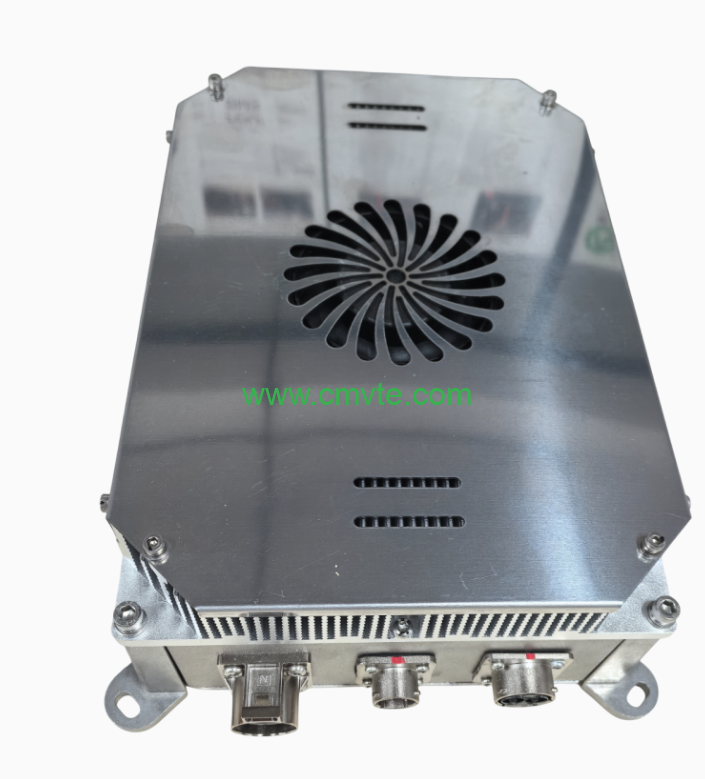
1. Understanding the Core Function: More Than Just an AC/DC Converter
The OBC’s primary role is to convert alternating current (AC) from the grid (or a generator) into precisely regulated direct current (DC) to recharge the traction battery. It manages this process safely, efficiently, and in communication with the Battery Management System (BMS). For farm vehicles, this simple function expands into several non-negotiable requirements.
2. Key Selection Criteria for the Agricultural Context
A. Charging Power & Voltage: Matching Infrastructure and Downtime
Power rating (in kW) is your starting point. It dictates charging speed and determines the electrical service required.
-
Medium-Duty Tractors (30-60kWh typical battery): An 11kW OBC is a highly versatile sweet spot. It can utilize common 3-phase 400VAC 16A connections (common in European farm workshops) or higher-power single-phase sources. This power level can recharge a depleted battery overnight (6-8 hours), aligning perfectly with daily use cycles.
-
Heavy-Duty Tractors & Harvesters (100kWh+ battery): To avoid impractically long charge times, consider a 22kW OBC or higher. This requires a robust 3-phase 32A/400V connection but can cut charging time in half. Crucially, your OBC’s DC output voltage range must fully cover your battery pack’s voltage. A 400V battery requires an OBC with an output range of, for example, 250-500VDC.
B. Input Flexibility & Grid Compatibility
Farms have diverse power sources. Your OBC must be adaptable.
-
Wide AC Input Range: It should automatically support single-phase (230V) and three-phase (400V) inputs. This allows charging from a standard outlet in a remote shed or a high-power workshop connection.
-
Frequency and Voltage Tolerance: Look for units that accept a wide frequency range (45-65Hz) and voltage tolerance (±15%). This ensures compatibility with older farm wiring or on-site generators, which may not provide “clean” grid power.
C. Ruggedness and Environmental Protection
The OBC will live on the vehicle, exposed to the same harsh conditions as the rest of the drivetrain.
-
Ingress Protection (IP Rating): A minimum of IP67 is essential. This guarantees complete protection against dust and temporary immersion (e.g., pressure washing, deep puddles). For the most severe environments, IP6K9K (resisting high-pressure, high-temperature washdowns) is ideal.
-
Cooling Method: Liquid-cooled OBCs are superior for agricultural applications. They are sealed against contaminants, offer quieter operation, and provide more stable thermal performance in dusty conditions compared to fan-cooled models, whose filters and vents can clog.
D. Communication & Control: The Intelligence Hub
The OBC must speak the right language.
-
CAN Bus Integration: This is mandatory. The OBC must communicate on the vehicle’s CAN network, receiving charge commands and limits from the BMS and relaying status to your smart display. Ensure protocol compatibility (e.g., CANopen, SAE J1939, or custom BMS protocols).
-
Smart Charging Features: Look for programmable charging schedules (to leverage off-peak electricity), diagnostic logging, and remote monitoring/control capabilities via an app or telematics. This enables modern farm management.
E. Safety and Certifications
Do not compromise.
-
Isolation & Protections: The OBC must provide full galvanic isolation between AC input and DC output, along with comprehensive protection against over-voltage, over-current, over-temperature, and ground faults.
-
Industrial Certifications: Ensure it carries relevant marks for your region (e.g., CE, UL) and, ideally, certifications for industrial or vehicular use, not just consumer electronics.
3. Strategic Considerations for Farm Operations
-
The “Field-Side” Charging Question: Can you partially recharge during a midday break? An 11kW+ OBC may require a three-phase connection not available at the field’s edge. This may necessitate planning for daily charging at a central depot or investing in mobile three-phase generators.
-
Modularity and Future-Proofing: Some systems allow for paralleling two OBCs to double charging power. If your future needs or battery capacity may grow, selecting a modular system now provides a valuable upgrade path.
-
The DC Fast-Charge Alternative: For the largest machines and to minimize downtime during critical harvest windows, consider if your design needs a port for an off-board DC fast charger. This is a separate, stationary high-power charger. If so, your vehicle will require a CCS Combo 2 or similar high-power DC inlet in addition to, or instead of, an OBC.
Conclusion: Building Your Farm’s Energy Hub
Selecting the right OBC is a foundational decision in your agricultural EV conversion. It dictates your operational logistics, energy costs, and vehicle readiness. By prioritizing ruggedness (IP67/liquid-cooled), input flexibility (3-phase/single-phase), and seamless BMS integration, you create a resilient charging system.
Remember to audit your farm’s electrical infrastructure before deciding on a power rating. The perfect OBC harmonizes the vehicle’s needs with the practical realities of your farm’s power supply, ensuring your electric workhorse is always ready for the dawn shift, reliably powered by the silent, clean energy of electrons flowing from the grid to the field.

