

The automotive world is witnessing a quiet revolution as classic vehicles, including utilitarian workhorses like the Renault Express Pickup, are reborn through electric conversion. This transformation isn’t just about replacing an internal combustion engine with an electric motor and batteries—it’s about thoughtfully integrating modern technology while preserving the vehicle’s original charm and functionality.
Selecting the right smart LCD display becomes a pivotal decision in this process, serving as the command center for your newly electrified pickup. For a vehicle originally designed in an analog era, this digital interface must do more than just look modern; it needs to provide critical information about your EV system while withstanding the rigors of commercial or adventurous use.
Table of Contents
ToggleWhy the Renault Express Pickup Makes a Compelling EV Conversion Candidate
The Renault Express Pickup, with its straightforward mechanical design and utilitarian nature, presents an excellent canvas for electric conversion. Unlike more complex modern vehicles, its simpler architecture often means fewer integration challenges when installing new electric components. The conversion process follows in the footsteps of official programs like Renault’s own diesel-to-electric truck conversions, which demonstrate that such transformations are both technically feasible and economically sensible.
Economically, conversions can offer significant savings. Renault’s official truck conversion program reportedly results in vehicles that cost up to 15% less than new electric trucks. For Express Pickup owners, this economic advantage could be even more pronounced given the vehicle’s typically lower initial value and simpler conversion requirements compared to larger commercial vehicles.
Technical Requirements for EV Conversion Displays
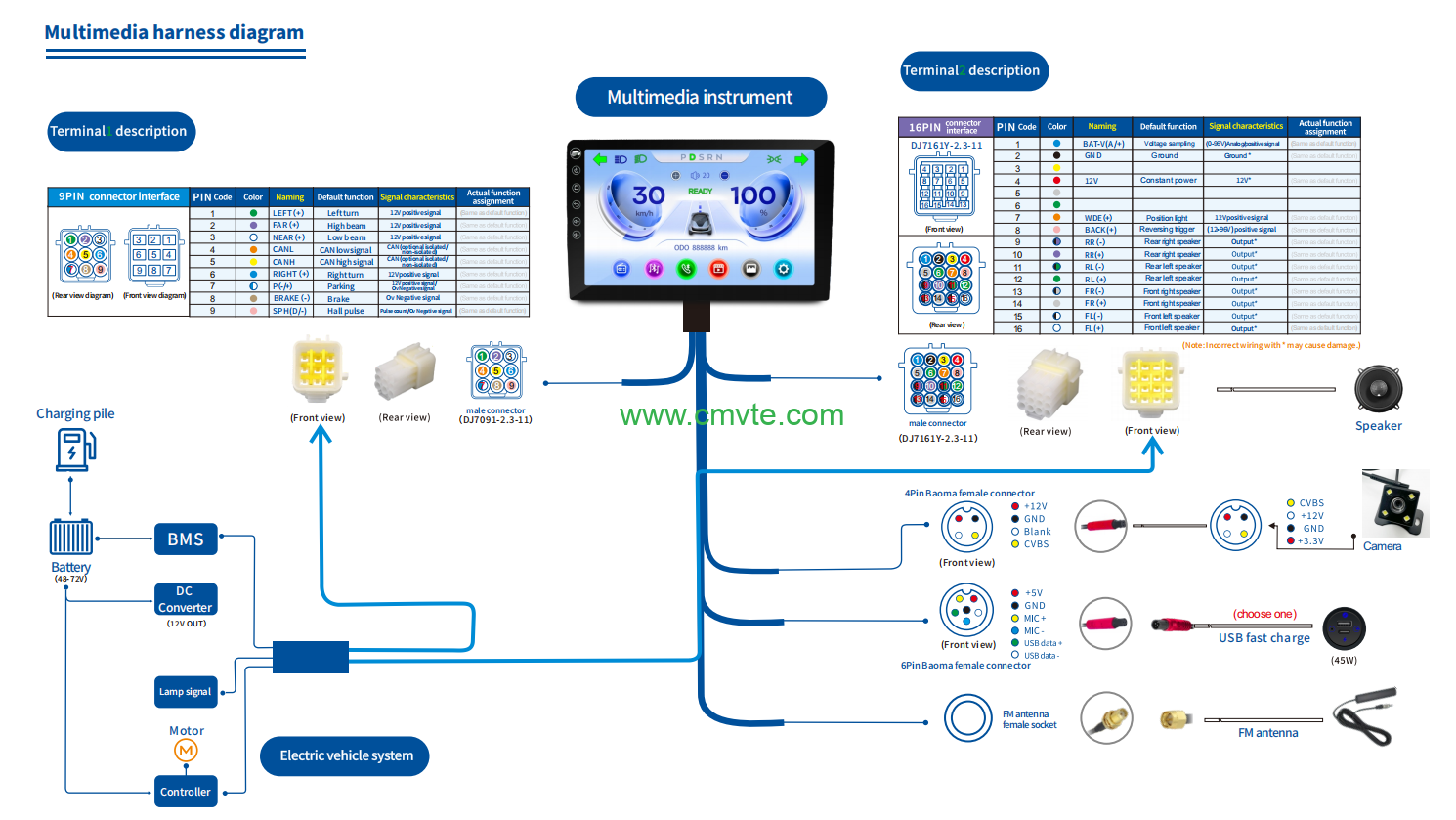
When converting your Renault Express Pickup to electric power, the display system must fulfill several critical functions beyond what would be necessary in a conventional vehicle. The display becomes your window into the EV powertrain’s performance and status, requiring specialized capabilities.
Essential display functions for an EV conversion include:
-
Real-time battery state of charge monitoring
-
Energy consumption tracking and efficiency metrics
-
Regenerative braking performance visualization
-
Thermal management system status
-
Estimated range based on current driving conditions
-
Charging status and time-to-full estimates
From a technical perspective, automotive displays must endure challenging conditions that don’t affect consumer electronics. As noted in display technology guides, these systems need proper engineering materials solutions to ensure mechanical strength that can withstand road vibrations, shocks, and harsh conditions. The display must also be protected against dust and moisture—critical for a pickup that might see work site or outdoor use.
Smart Display Solutions and Technologies
For your Renault Express conversion, several display approaches are possible, ranging from integrated all-in-one systems to modular component-based solutions.
Integrated Android-based units, like those available for other Renault models, offer comprehensive functionality in a single package. These systems typically feature 9-inch screens with 1280×720 resolution, capacitive touch interfaces, and built-in support for essential functions like GPS navigation, rearview camera integration, and smartphone connectivity through CarPlay and Android Auto. Such units can be adapted to fit the Express Pickup’s dashboard with custom mounting solutions.
From a component perspective, specialized touchscreen controllers like Microchip’s MXT2912TD-UW—designed specifically for automotive applications—support displays up to 45 inches with optimized responsiveness suitable for vehicle interfaces. When paired with appropriate display panels and integrated into your conversion’s control system, such components allow for fully customized solutions tailored precisely to your needs and available dashboard space.
Display Enhancement Technologies for Optimal Visibility:
-
Anti-glare and safety films: Reduce reflections that compromise visibility in varying lighting conditions
-
Brightness enhancement films: Improve display efficiency and reduce power consumption
-
Optical clear adhesives: Create robust, optically transparent bonds between display layers
-
Micro-louvers: Control viewing angles to optimize visibility from the driver’s position
Thermal management represents another crucial consideration. As display processing capabilities increase—especially when handling navigation, vehicle data, and potentially multiple camera feeds—effective heat dissipation becomes essential. Solutions like graphite films, heat pipes, and vapor chambers can be integrated to maintain optimal operating temperatures without compromising the display’s slim profile.
Integration Tips for Your Conversion Project
Successfully integrating a smart display into your Renault Express EV conversion requires both technical know-how and aesthetic consideration. Start by carefully assessing your available dashboard space and designing a mounting solution that appears purposeful rather than tacked-on. Consider whether you want the display to blend with the original interior aesthetic or deliberately contrast with it as a statement of modernization.
Electrically, ensure your display system receives clean, stable power—consider dedicated voltage regulation rather than tapping directly into existing circuits. Integration with your EV control systems will likely require CAN bus interface modules or analog signal converters, depending on what data protocols your motor controller and battery management system employ.
For connectivity, plan for both wired and wireless options. While systems like CarPlay and Android Auto offer excellent smartphone integration, also consider direct connections for backup cameras—particularly valuable in a pickup where rear visibility might be limited when loaded. Some conversion-specific displays might also benefit from integration with aftermarket rearview systems designed for commercial vehicles, which often feature durable cameras with wide viewing angles and night vision capabilities.
Don’t overlook the importance of display protection. Screen protection films designed for long-term consumer use can guard against scratches during daily operation, while properly designed bezels and gaskets protect against dust and moisture ingress—especially important in a vehicle that might see worksite or off-road use.
The Future of Converted EVs and Their Interfaces
As EV conversion technology matures, we’re seeing increasingly sophisticated approaches to vehicle modernization. Renault’s collaboration with R-Fit to develop conversion kits for classic models demonstrates how manufacturers are beginning to support the aftermarket conversion ecosystem. These official kits typically include not just motor and battery components but also appropriate instrumentation—a recognition that the driver interface is integral to the conversion experience.
Looking forward, displays in converted EVs will likely incorporate more specialized EV data visualization while maintaining compatibility with conventional automotive functions. The development of standardized EV data protocols may eventually make it easier for aftermarket display systems to seamlessly interface with various motor controllers and battery management systems.
As your Renault Express Pickup EV conversion progresses from concept to reality, remember that your choice of display significantly influences both the functionality and character of the finished vehicle. Whether you select an integrated Android unit adapted from another Renault model or build a custom solution around specialized automotive display components, prioritize readability, durability, and seamless integration with your EV systems.
The perfect smart display for your conversion doesn’t just show information—it enhances your interaction with the vehicle, provides critical insights into your EV system’s operation, and ultimately contributes to the satisfaction of driving a unique vehicle that bridges automotive history with electric future.

