

Electric car D.I.Y. conversion kits make it easy for car enthusiasts to change their gas powered rides to electric vehicles. Each kit comes with necessary parts such as motors, batteries, and controllers which allow the user to reap the many perks of electric cars while participating in the conversion process.
As the world moves towards sustainable transportation, DIY EV conversions offer an exciting opportunity to breathe new life into existing vehicles while reducing environmental impact. This comprehensive guide will walk you through everything you need to know about converting your gas-powered car to electric using DIY conversion kits.
1. Understanding Electric Car Conversions
1.1 What is an EV Conversion?
EV conversions enable the replacement of a combustion engine in a car with an electric motor and battery system. It results in the transformation of a conventional automobile into an electric vehicle (EV), making it possible to enjoy advantages like decreased emission, lower energy use, and enhanced operating efficiency. This process not only modernizes older vehicles but also extends their lifespan while significantly reducing their environmental footprint.
1.2 Advantages of Converting a Car to Electric
Switching a vehicle to an electric drive also significantly decreases fuel expenses along with the overall maintenance work and expenses. Electric vehicles consists of much less moving components when during compared to gas engines which result in cost savings in the long run and provides an eco-friendly alternative for gas cars. Additional benefits include:
- Reduced carbon footprint and environmental impact
- Quieter operation and smoother acceleration
- Potential eligibility for green energy incentives and tax credits
- Increased energy independence by utilizing renewable electricity sources
- Preservation of classic car designs with modern propulsion technology
1.3 Challenges and Drawbacks of DIY EV Conversions
D.I.Y. electric vehicle conversion has the aura of appealing innovation, but it does have cons like the immense amount of technical know-how which is critical in executing such a task. The whole process takes a lot of time and as a result, can prove highly costly with regards to the parts and tools required. Other challenges include:
- Navigating complex legal and registration requirements
- Finding adequate workspace and specialized tools
- Sourcing rare or custom components for specific vehicle models
- Potential reduction in vehicle range compared to factory EVs
- Limited access to professional support and troubleshooting resources

2. Types of DIY Electric Car Conversion Kits
2.1 Complete EV Conversion Kits
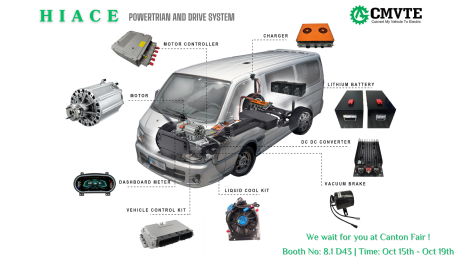
For easier plug-and-play installation, these electrical vehicle conversion kits fully manufactured components are designed to meet the specified requirements of complete EV conversion kits. These kits are suggested for those new to the field as they provide everything to perform a car conversion. However, more proficient users may wish to modify their kit for improved performance. Complete kits typically include:
- Electric motor and mounting hardware
- Battery pack with management system
- Motor controller and power electronics
- Charging system and necessary cabling
- Instruction manual and technical support access
2.2 Modular Conversion Kits
Modular kits enable users to configure and install different parts such as motors, batteries, and controllers. This grants the user freedom to modify his system or tailor the parts to achieve specific performance goals or requirements of the vehicle. This approach is ideal for experienced converters who want to:
- Mix and match components from different manufacturers
- Upgrade specific systems while reusing existing components
- Create highly customized solutions for unique vehicles
- Incrementally upgrade their conversion over time
2.3 Hybrid vs. Fully Electric Kits
Hybrid kits facilitate partial electric conversions, increasing fuel economy without completely abandoning the gas engine for extended highway driving. Fully electric kits, in contrast are non-IC vehicles and they completely depend on electric energy and adopt all electric components. The choice between these options depends on:
- Your daily driving patterns and range requirements
- Access to charging infrastructure in your area
- Local regulations regarding hybrid and electric vehicles
- Your comfort level with completely eliminating gasoline systems
- Budget constraints (hybrid conversions can sometimes be less expensive)
3. Key Components of an Electric Car Conversion Kit
3.1 Electric Motor
Electric motors can be divided into AC and DC. AC motors are more efficient and offer better performance while DC motors are easier to make and less expensive. The selection of the motor directly depends on the power and performance requirement of your automobile. Modern conversion kits increasingly favor AC induction motors for their efficiency and regenerative braking capabilities.
3.2 Battery Pack
Electric car conversion is normally supported with lithium polymer batteries because it is lightweight, has longer lifespan and possesses greater energy density than lead-acid batteries. Lithium-ion batteries now dominate the market, offering energy densities of 150-200 Wh/kg compared to 30-50 Wh/kg for lead-acid alternatives.
3.3 Motor Controller and Inverter
The Controller for the motor manages the flow of power to the electric motor thereby controlling its speed and acceleration. An inverter converts the DC power supplied by the battery to AC current for the motor. This ensures effective energy utilization and maximum compatibility when converting an automobile to an electric vehicle.
3.4 Charging System and Battery Management
The charging systems include home chargers and fast chargers. BMS implementation is very important in order to monitor the state of the battery, control the charging, and avoid overheating. Properly configured BMS increases battery life while ensuring safety during usage.
3.5 Additional Components
More components like regenerative braking systems, new suspension systems, and new brakes, are sometimes necessary for conversions. These modifications are used to manage the additional weight of the electric motor and battery as well as improve the performance and safety of the vehicle.
4. Choosing the Right DIY Electric Car Conversion Kit
4.1 Factors to Consider Before Buying
More components like regenerative braking systems, new suspension systems, and new brakes, are sometimes necessary for conversions. These modifications are used to manage the additional weight of the electric motor and battery as well as improve the performance and safety of the vehicle. Key considerations include:
- Your vehicle's weight, size, and existing mechanical systems
- Your desired range and performance characteristics
- Available space for battery placement and component installation
- Your technical skill level and available tools
- Local climate and how it might affect battery performance
- Future maintenance requirements and part availability
4.2 Best DIY EV Conversion Kits in 2025
New DIY EV conversion kits expected to hit the market in 2025 are very competitive, offering high-performance features such as high-efficiency motors, numerous battery packs, and customizability. Different brands offer different types of kits, so proper considerations must be made to determine the best one for the intended use. Emerging trends include:
- Integrated telematics and smartphone connectivity
- Modular battery systems for easy expansion and replacement
- Advanced thermal management systems for extreme climates
- Plug-and-play compatibility with popular vehicle models
- Enhanced safety features including automatic disconnect systems
4.3 Where to Buy a Reliable Conversion Kit
It's possible to buy credible EV conversion kits from online suppliers, EV specific retailers, or directly from manufacturer sites. Reputable suppliers with high positive ratings often provide components for the conversion that are safe and upto spec for the process to be successful. When selecting a supplier, consider:
- Warranty coverage and technical support availability
- User reviews and community feedback
- Compatibility with your specific vehicle make and model
- Availability of replacement parts and upgrade options
- Documentation quality and instructional resources
5. Step-by-Step Guide to Converting Your Car with a DIY Kit
5.1 Preparing for the Conversion
Ensure that all safety measures are in place before attempting the conversion, and check your equipment. Also, make sure that there is enough light in the workspace and that the car's engine and other necessary parts are easily accessible. With everything in place, the process will be simpler and will take less time, while also ensuring it's done in a safe manner.
5.2 Removing the Internal Combustion Engine
Remove all parts associated with exhaust, fuel systems, gas powered engines, and also the transmission system. Once these components are removed, make sure to take them out carefully and dispose of them properly. The goal of this step is to prepare the vehicle for electric motor and battery system installation.
5.3 Installing the Electric Motor and Batteries
After removing the old engine, proceed with tightly securing the newly installed electric motor in the space provided for it. Next, position the battery pack in a way that maintains an appropriate balance of the vehicle and also ensures that the weight is properly distributed.
5.4 Setting Up the Controller and Electronics
While the inverter and motor controller are being added, proper wiring should be applied to these for power regulation. Add the Battery Management System after the initial components to observe the battery's performance while being controlled by the rest of the components.
5.5 Testing and Troubleshooting the Converted EV
Complete the installation and proceed with initial boot to inspect the system, along with the performance of the battery, the acceleration and braking of the vehicle. Prior to taking the vehicle on a test drive, take care of issues like low battery, excess heat, and wiring problems.
6. Cost Breakdown of DIY Electric Car Conversion
6.1 Estimated Costs for a DIY EV Conversion
Costs for DIY EV Conversions can vary based on parts from $6,000 to $20,000. The biggest expenses are the motor, battery pack, and controller; expenses for custom parts, labor, and tools may be required as well. Here's a typical cost breakdown:
| Component | Estimated Cost | Percentage of Total |
|---|---|---|
| Battery Pack | $3,000 - $10,000 | 40-50% |
| Electric Motor | $1,000 - $3,000 | 15-20% |
| Controller & Electronics | $800 - $2,000 | 10-15% |
| Charging System | $500 - $1,500 | 5-10% |
| Miscellaneous Parts & Tools | $700 - $3,500 | 10-20% |
6.2 DIY vs. Professional EV Conversions
While do-it-yourself conversions don't incur labor costs, a higher degree of technical skill and time is needed. One also has the option of hiring professionals, however, this comes at a higher cost. Cutting-edge knowledge and speed is what sets professionals apart, ensuring that the work is done to a high degree of quality and in a short timeframe.
6.3 Long-Term Savings and Return on Investment
While the investment needed is significant upfront with a DIY electric vehicle conversion, the savings with fuel and repairs make up for it in the long run. As with most electric vehicles, there are fewer moving parts, which means lower maintenance costs and better ROI over time.
FAQ
Conclusion
Transforming a petrol car into an electric one is an enjoyable, yet painstaking activity for the right people. Fulfilling these projects could also aid in cutting costs while making them environmentally friendly, and adds a personal flair to the automobile at the same time. As long as safety measures and the necessary parts are in stock, converting the vehicle to an EV shouldn't be a hassle.
The journey of converting your vehicle to electric power is not just about the destination—it's about the knowledge gained, the skills developed, and the satisfaction of creating something unique. As battery technology continues to improve and conversion components become more accessible, DIY EV conversions represent an exciting frontier for automotive enthusiasts looking to combine their passion for cars with environmental stewardship.
Whether you're motivated by environmental concerns, technological curiosity, or simply the challenge of creating something with your own hands, an EV conversion project offers rewards that extend far beyond the financial savings at the charging station.


