

Electric vehicle conversion refers to replacing a vehicle's original gasoline engine with an electric motor and battery, transforming it into a zero-emission, energy-efficient vehicle. This is an excellent option for vehicle owners who want to upgrade their vehicles without having to purchase a brand-new electric vehicle.
2025 Electric Vehicle Conversion Market Overview
As fuel prices continue to rise and emission standards become increasingly stringent, more people are converting internal combustion engine vehicles to electric vehicles. According to the latest 2025 industry data, the global electric vehicle conversion market has reached $4.8 billion, with an annual growth rate stabilizing at 18.5%.
Electric vehicle conversion not only provides sustainable solutions but also offers cost-effectiveness and better performance. Advanced conversion kits make it easy for every vehicle owner to achieve electric transformation.
Core Question: What Key Components Are Included in EV Conversion Kits?
Electric vehicle conversion can save significant costs in long-term use, requires less maintenance, and provides smooth acceleration and torque. As electric vehicles become more popular, the world is moving towards a cleaner future.
Key components typically include:
Electric Motor
Replaces the internal combustion engine as the primary power source
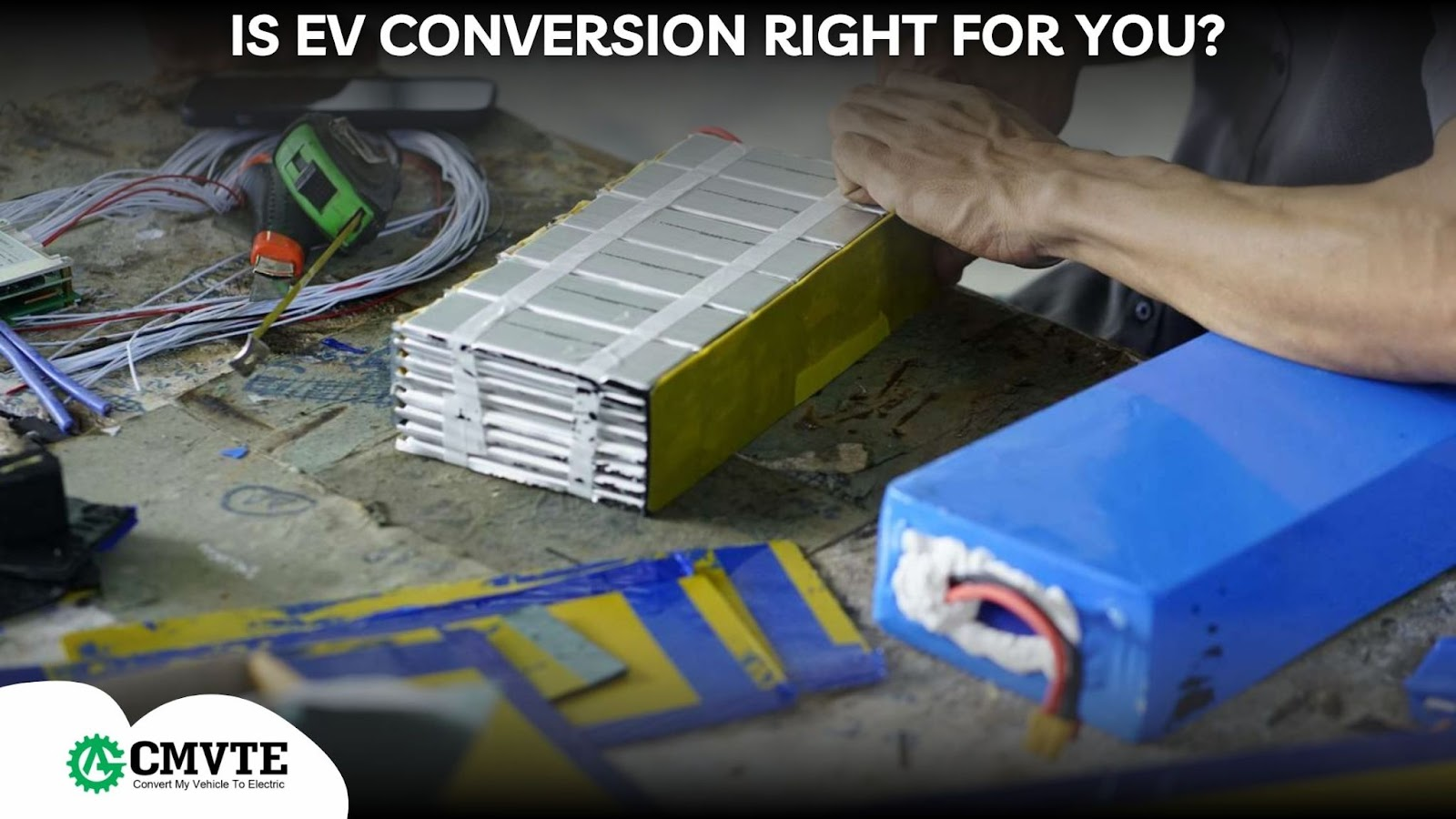
Battery Pack
High-capacity lithium-ion batteries store energy for the vehicle
Controller
Manages power distribution between battery and motor
Charging System
Allows the vehicle to be charged from external power sources
How to Choose the Right Vehicle for Conversion?
Lightweight small vehicles with sufficient space for battery installation are most suitable for electric conversion. Trucks, compact cars, and classic cars are among the best choices.
- Weight: Lighter vehicles require less power, extending range
- Space: Adequate space for battery placement is crucial
- Chassis Strength: Must support the additional weight of batteries
- Electrical System: Older vehicles with simpler systems are easier to convert
EV Conversion Process: Step-by-Step Explanation
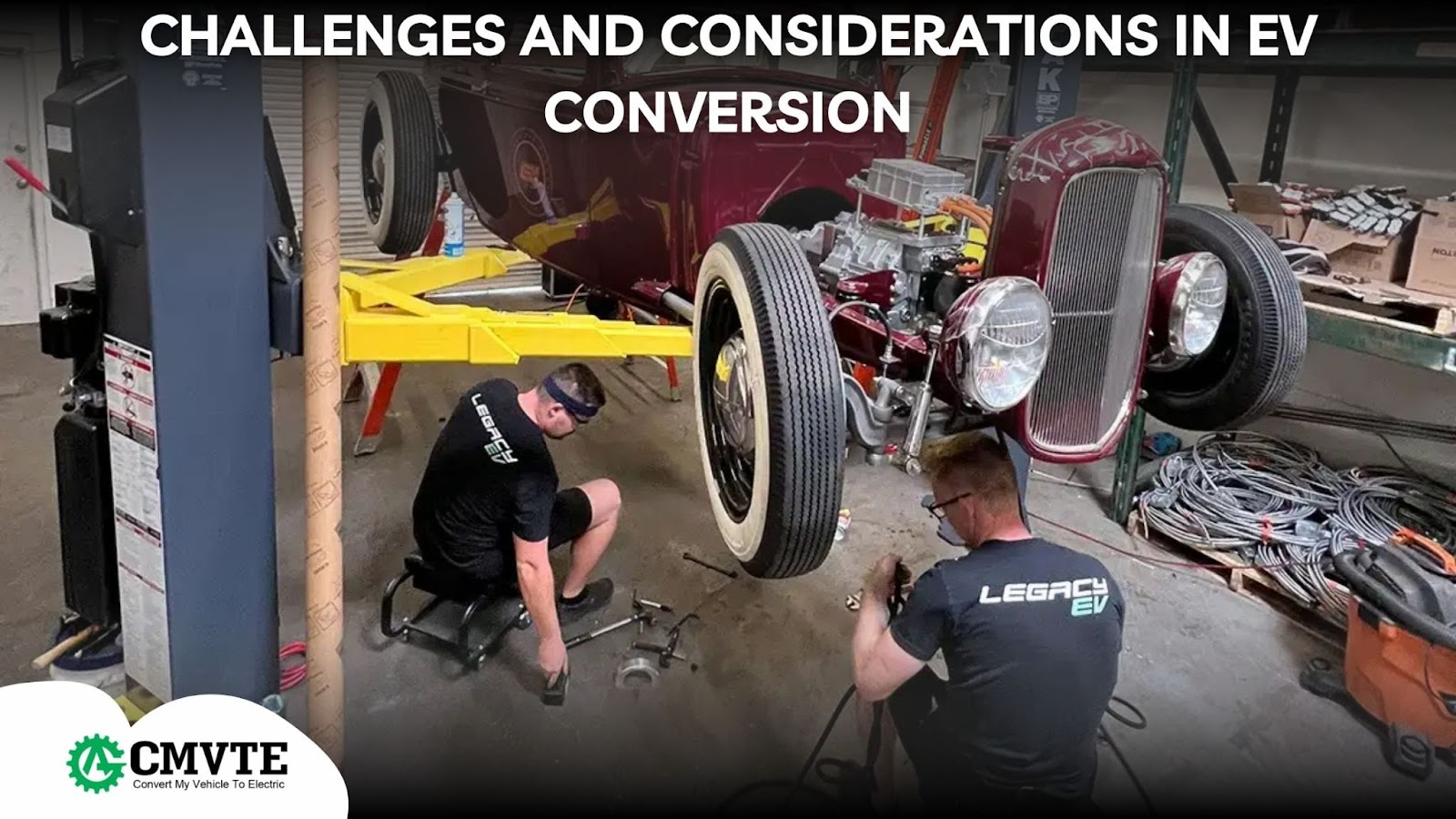
The actual EV conversion process includes removing the internal combustion engine, integrating the charging system into the vehicle, installing the electric motor and battery, controller wiring, and system efficiency testing.
- Vehicle Assessment: Evaluate the vehicle's suitability for conversion
- Component Removal: Remove engine, fuel system, and exhaust
- Motor Installation: Mount electric motor and connect to transmission
- Battery Placement: Install battery packs in optimal locations
- Controller Integration: Connect motor controller and manage wiring
- Charging System: Install charging port and related components
- Testing & Calibration: Ensure all systems function correctly and safely
Cost Analysis: Is EV Conversion Worth It in 2025?
EV conversion does require an initial investment, but the returns in fuel savings, maintenance savings, and government incentives ultimately make it worthwhile. According to the latest 2025 data, the purchase cost of traditional electric vehicles is typically 35-50% higher than converting an existing vehicle.
| Cost Component | DIY Conversion | Professional Conversion | New EV Purchase |
|---|---|---|---|
| Basic Kit | $8,000 - $15,000 | $12,000 - $20,000 | N/A |
| Labor | $0 (Self) | $5,000 - $10,000 | N/A |
| Additional Components | $2,000 - $5,000 | Included | N/A |
| Vehicle Cost | Existing Vehicle | Existing Vehicle | $30,000 - $60,000+ |
| Total Estimated Cost | $10,000 - $20,000 | $17,000 - $30,000 | $30,000 - $60,000+ |
Top 10 Benefits of Switching to Electric Vehicles
Zero Fuel Costs
Eliminate gasoline expenses with electricity costing significantly less per mile
Reduced Emissions
Drive with zero tailpipe emissions for a cleaner environment
Instant Torque
Experience immediate power delivery and responsive acceleration
Lower Maintenance
Fewer moving parts mean less frequent and less expensive maintenance
Quiet Operation
Enjoy a much quieter driving experience without engine noise
Energy Independence
Power your vehicle with renewable energy sources like solar
Preserve Classic Cars
Give new life to classic vehicles with modern electric powertrains
Increased Home Value
Home charging setups can increase property value
Government Incentives
Potential tax credits and rebates for EV conversions
Future-Proofing
Avoid future restrictions on internal combustion vehicles
Challenges and Considerations for EV Conversion
Currently, the most prominent challenges include limited battery range, weight distribution, and regulatory requirements. Cooling and energy distribution are other factors to consider.
- Range Limitations: Current technology limits range compared to new EVs
- Weight Distribution: Battery placement affects vehicle handling
- Regulatory Compliance: Must meet safety and emissions standards
- Technical Expertise: Requires specialized knowledge for proper installation
- Charging Infrastructure: Access to charging stations may be limited
- Resale Value: Converted vehicles may have uncertain resale value
DIY vs. Professional EV Conversion: Which Is Right for You?
Unlike most amateur modifications, professional services guarantee precision and reliability. However, DIY-friendly conversion kits are available for those with mechanical experience.
DIY Conversion
Pros: Lower cost, personal satisfaction, learn new skills
Cons: Time-consuming, potential for errors, no warranty
Best For: Experienced mechanics with adequate time
Professional Conversion
Pros: Guaranteed quality, faster completion, warranty
Cons: Higher cost, less personal involvement
Best For: Those seeking reliability and convenience
Government Incentive Policies and EV Conversion
Many countries offer tax credits or incentive programs for electric vehicles, although these policies vary by region. In the United States, some states offer rebates for EV conversions, while others focus incentives on new EV purchases.
Check with local authorities about available incentives before starting your conversion project. Some regions offer grants, tax credits, or reduced registration fees for converted electric vehicles.
Future Trends in EV Conversion
Modular conversion kits, battery technology, and open-source EV software are transforming this industry. Increasing complexity of autonomous driving functions and smart system integration will increase the appeal of conversions.
- Modular Kits: Pre-packaged solutions for specific vehicle models
- Battery Advancements: Higher energy density and faster charging
- Open-Source Platforms: Community-developed software and designs
- Retrofit Autonomy: Adding self-driving capabilities to converted vehicles
- Battery Swapping: Systems for quick battery replacement
Is EV Conversion Right for You?
For consumers concerned about sustainability, EV conversion is an ideal solution in terms of cost and performance. The possibilities of electric vehicle technology are endless, and technological advances will continue to make electric vehicles better.
Consider EV conversion if:
- You want to reduce your carbon footprint
- You have a suitable vehicle with sentimental or collector value
- You want to save money compared to buying a new EV
- You enjoy hands-on projects and have mechanical skills
- You want to future-proof your vehicle against emissions regulations
Start Your EV Conversion Journey Today
Get expert advice and find the perfect conversion kit for your vehicle. Our specialists can help you navigate the process from start to finish.
Get Your Custom Quote


