A Practical Breakdown of Diesel-to-Electric Conversion
As fuel prices rise and emission regulations become stricter, more fleet operators and logistics companies are exploring diesel-to-electric conversions for tractor trucks. While the idea of converting an existing tractor truck instead of purchasing a new electric one sounds attractive, the real question remains: what are the actual tractor truck modification costs?
This article breaks down the main cost components involved in converting a diesel tractor truck to electric power, helping decision-makers better understand where the money goes and whether such a project makes financial sense.
1. Initial Assessment and Engineering Costs
Before any physical modification begins, a detailed technical assessment is required. This includes:
- Vehicle weight and load analysis
- Chassis and drivetrain compatibility
- Axle load limits and suspension layout
- Electrical architecture planning
For tractor trucks, this phase is especially important due to high GVW and continuous-duty operating conditions. Engineering and design costs typically range from USD 5,000 to 20,000, depending on the complexity of the vehicle and whether the conversion is a one-off project or part of a small batch.
2. Electric Drivetrain System
The electric drivetrain is the core of the conversion and represents one of the largest cost portions.
Main components include:
- Electric motor or electric drive axle
- Gearbox or integrated reduction system
- Motor controller and inverter
For tractor trucks, high-torque and heavy-duty systems are required. Depending on power output and configuration (central motor vs. electric drive axle), drivetrain costs generally fall between USD 25,000 and 60,000.
Integrated electric drive axles can reduce mechanical complexity and installation time, which may lower overall labor costs in the long run.
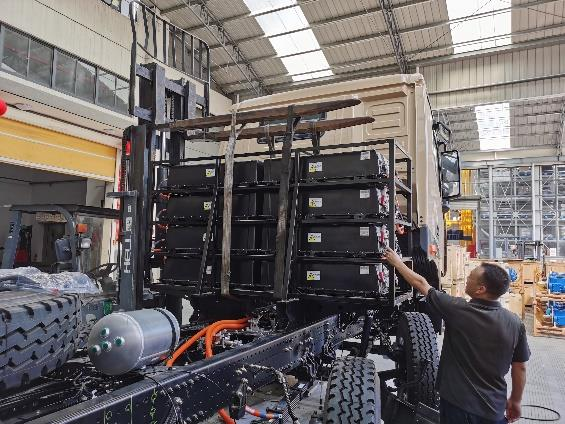
3. Battery System and Energy Storage
Battery costs are usually the largest single expense in tractor truck modification projects.
Key factors affecting cost:
- Battery capacity (kWh)
- Cell chemistry (LFP vs. NMC)
- Thermal management system
- Battery enclosure and safety design
For a tractor truck used in regional or port logistics, battery capacity typically ranges from 150 to 300 kWh. At current market prices, this translates to approximately USD 20,000 to 50,000, depending on specifications and supplier selection.
4. Auxiliary Systems and Vehicle Integration
Beyond the drivetrain and battery, several auxiliary systems must be converted or redesigned:
- Electric power steering
- Electric air compressor for brakes
- DC-DC converters (high voltage to 24V)
- Cooling systems for motor and batteries
These components often add another USD 5,000 to 15,000 to the total modification cost. While individually smaller, they are essential for reliable daily operation.
5. Labor, Installation, and Testing
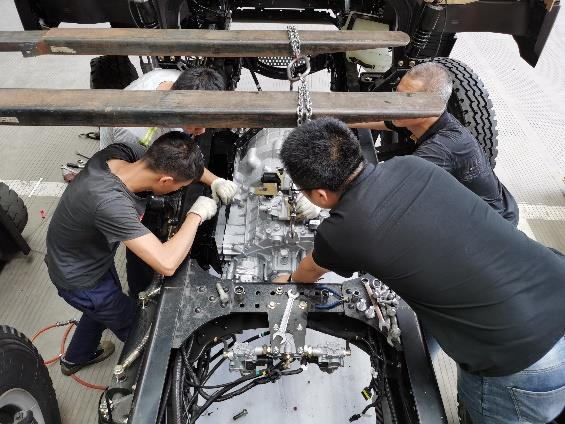
Labor costs vary significantly by region, but tractor truck conversions are labor-intensive projects. Installation includes:
- Removal of the diesel engine and fuel system
- Mechanical mounting of electric components
- High-voltage wiring and safety protection
- Software calibration and road testing
Typical labor and testing costs range from USD 10,000 to 25,000, especially when certification or compliance testing is required.
6. Certification and Compliance Costs
In many markets, modified tractor trucks must comply with local regulations for safety, electromagnetic compatibility, and road legality. These costs are often overlooked early in the project.
Depending on the country and application, certification and documentation expenses can add USD 3,000 to 10,000.
7. Total Tractor Truck Modification Costs: A Realistic Estimate
When all components are considered, the total cost of converting a diesel tractor truck to electric typically falls within the range of:
USD 50,000 to 150,000 per vehicle
The final figure depends heavily on:
- Battery size and range requirements
- New vs. reused mechanical components
- Scale of the project (prototype vs. fleet conversion)
8. Is Diesel-to-Electric Conversion Worth It?
From a purely financial perspective, conversion is usually most viable when:
- The existing tractor truck chassis is in excellent condition
- The vehicle operates on fixed routes (ports, yards, logistics hubs)
- Downtime and fuel savings offset the initial investment
In many cases, conversion is not just about cost reduction, but also about meeting emission targets, reducing noise, and extending vehicle service life.
Conclusion
Understanding tractor truck modification costs is essential before committing to a diesel-to-electric conversion project. While the upfront investment is significant, careful system selection and proper engineering can make electrification a practical solution for specific applications.
As electric components continue to mature and battery prices gradually decline, conversion projects are becoming more technically feasible and economically attractive—especially for controlled,industrial-duty environments.