

When converting a manual transmission Chevrolet C10 to electric power, replacing the original hydraulic power steering system with an Electric Power Steering (EPS) kit is crucial. Here's why:

1. Perfect Compatibility with Electric Platforms
Traditional hydraulic systems rely on engine-driven pumps, which are incompatible with EV conversions. EPS uses an electric motor powered by the vehicle's battery, ensuring seamless integration. This compatibility is crucial because electric vehicles don't have internal combustion engines to drive hydraulic pumps.
Hydraulic vs Electric Systems Comparison
Hydraulic Power Steering
- Relies on fluid pressure for steering assistance
- Powered by engine-driven pump
- No assistance when engine is off
- Requires regular fluid maintenance
- Less energy efficient
Electric Power Steering (EPS)
- Uses electric motor for steering assistance
- Powered by vehicle battery
- Works regardless of engine status
- No fluid maintenance required
- More energy efficient
Advantages of EPS Over Hydraulic Systems
- No Fluid Maintenance: EPS systems eliminate the need for regular power steering fluid checks and changes, reducing maintenance costs.
- Improved Efficiency: Electric motors are more efficient than hydraulic pumps, resulting in better energy utilization and potentially increased EV range.
- Enhanced Control: Modern EPS systems can be programmed to provide variable steering assistance, improving both driving experience and safety.
2. Significant Energy Efficiency Improvement
EPS can reduce energy consumption by up to 10-15%, lightening the overall load on the EV battery system. This efficiency gain is significant, directly impacting the electric vehicle's range and performance.
Energy Consumption Comparison
A typical hydraulic power steering system continuously consumes about 1 horsepower (approximately 746 watts) while the vehicle is moving. In comparison, EPS systems typically consume only about 300-400 watts under normal driving conditions. Over long distances, this difference can accumulate into substantial energy savings.
Factors Affecting Energy Efficiency
- Vehicle Speed: EPS systems are designed to provide more assistance at low speeds and less at high speeds, ensuring the motor only uses necessary power.
- Driving Style: Frequent sharp turns increase EPS system energy consumption, but modern EPS kits are optimized to handle such situations efficiently.
3. Comprehensive Driving Experience Upgrade
Adaptive steering feel: EPS adjusts steering effort based on vehicle speed (light at low speeds, firm at high speeds). Smaller turning radius: ideal for maneuvering in tight spaces. These characteristics deliver a more enjoyable and safer driving experience.
Adaptive Steering Feel Explained
One key advantage of EPS is its ability to adjust steering feel based on vehicle speed. At low speeds during parking maneuvers, steering becomes light and nimble; as the vehicle accelerates, steering gradually firms up, providing stability at highway speeds.
Advantages of Adaptive Steering
Enhanced Comfort
Light steering at low speeds reduces physical effort for the driver.
Improved Safety
Firm steering at high speeds provides better control and stability.
Customizable Settings
Many modern EPS systems allow drivers to customize steering feel according to preference.
4. High Reliability & Low Maintenance Costs
No risk of hydraulic fluid leaks or seal aging. Fewer moving parts mean longer service life and lower repair costs.
EPS System Reliability
The simplicity of EPS systems is the main reason for their high reliability. Unlike hydraulic systems with numerous seals, hoses, and reservoirs, EPS systems have fewer moving parts and require no fluid maintenance.
Maintenance Considerations
- Longer Service Life: With fewer components subject to wear, EPS systems can outlast hydraulic systems.
- Reduced Repair Costs: Lower risk of component failure and simpler maintenance.
- Environmental Benefits: Elimination of hydraulic fluid reduces environmental impact from disposal and potential leaks.
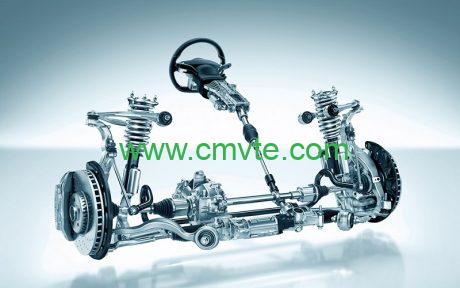
5. Simple and Quick Installation
Our EPS kit includes pre-assembled components (motor, control module, and wiring harness) specifically designed to fit the Chevrolet C10's original engine compartment.
Installation Process Overview
Installing an EPS kit on a Chevrolet C10 involves several steps, but with the right tools and guidance, the process can be straightforward.
Step-by-Step Installation Guide
Tips for Successful Installation
- Follow Instructions: Always refer to the manufacturer's installation guide.
- Seek Professional Help When Needed: If uncertain about any installation step, consult a professional.
- Test Thoroughly: After installation, test the EPS system thoroughly under various driving conditions.
Choosing the Right EPS Kit for Your Chevrolet C10
When selecting an EPS kit, several factors need consideration to ensure it meets your requirements.
Key Considerations for EPS Kit Selection
Compatibility
Ensure the EPS kit is compatible with your specific Chevrolet C10 model and year. Different models may have variations in steering column design and mounting configurations.
Performance Requirements
Consider the performance requirements of your electric conversion. Whether for daily commuting or long-distance travel, you may need an EPS kit that provides robust assistance and efficient energy consumption.
Budget
Determine your budget for the EPS kit and related components. Higher-end kits may offer advanced features and superior performance but come at a higher price.
Recommended Chevrolet C10 EPS Kits
Moog EPS Conversion Kit
Moog, a well-known brand in the automotive industry, offers reliable and durable EPS kits. Their C10 kit is known for easy installation and excellent compatibility with different vehicle configurations.
PSC Motorsports EPS System
PSC Motorsports specializes in custom steering solutions for classic and modified vehicles. Their C10 EPS system is highly customizable, allowing you to fine-tune steering feel.
CPP Electric Power Steering Kit
CPP is another trusted name in the automotive aftermarket. Their C10 electric power steering kit is designed to provide reliable and efficient steering assistance.
Conclusion
Upgrading to an Electric Power Steering kit for your manual transmission Chevrolet C10 is a wise decision. EPS offers numerous advantages over traditional hydraulic systems, including better compatibility, higher energy efficiency, superior driving experience, enhanced reliability, and simpler installation.
By carefully considering the factors discussed in this guide and selecting an EPS kit that fits your needs, you can ensure your Chevrolet C10 continues to provide smooth and responsive steering for years to come.

