

You are about to drop thousands on an EV conversion motor — but are you sure you are not overpaying by $2,100+? Most DIY builders in North America and Europe default to US Parts Retailer Kits without realizing the same (or better) hardware is available direct from the factory floor in Shunde, China, for 40-60% less. That is not a compromise. That is smart sourcing.
Why US Parts Retailer Kits Cost You a Premium
The typical distribution chain for EV conversion parts in the US adds 3-4 layers: Chinese factory → export trader → US importer → regional distributor → retailer → you. Each layer takes a 10-20% margin. By the time a 144V PMSM motor lands in your garage, the price has doubled. A $1,200 factory motor becomes a $2,800 "kit" before you even add a controller.
CMVTE cuts every middleman. We manufacture PMSM and AC induction motors in our Foshan factory and ship directly to 130+ countries. You pay factory price — not retail markup.
Torque > Kilowatts: The #1 Motor Mistake
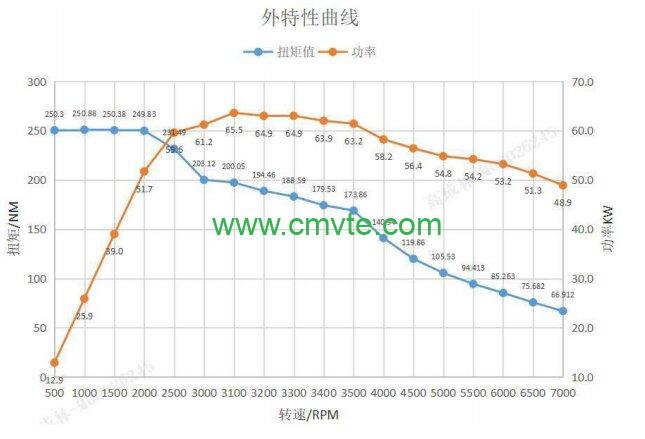
The original article got this right: picking a motor purely by kW rating is the most common error in EV conversion. Electric motors deliver peak torque at zero RPM. That is what launches your build off the line, not the peak horsepower number. Always match — or slightly exceed — the original ICE torque figure. A CMVTE 144V 40kW PMSM motor produces 250 Nm of peak torque at zero RPM. That is enough to push a 1-ton sedan to 0-60 mph in under 8 seconds, with instant throttle response no ICE can match.
Voltage, Current, and System Cost
Higher voltage means lower current for the same power, which means thinner cables, smaller contactors, and less heat loss. But ultra-high-voltage systems (400V-800V) demand expensive components throughout the build. For most DIY conversions — sedans, light trucks, UTVs — a 144V system hits the sweet spot. CMVTE's 144V motor pairs perfectly with our 144V battery packs and controllers, giving you a matched system without the 400V price tag.
Factory Direct Comparison: CMVTE vs. US Parts Retailer Kit
| Feature | CMVTE Factory Direct | US Parts Retailer Kit |
|---|---|---|
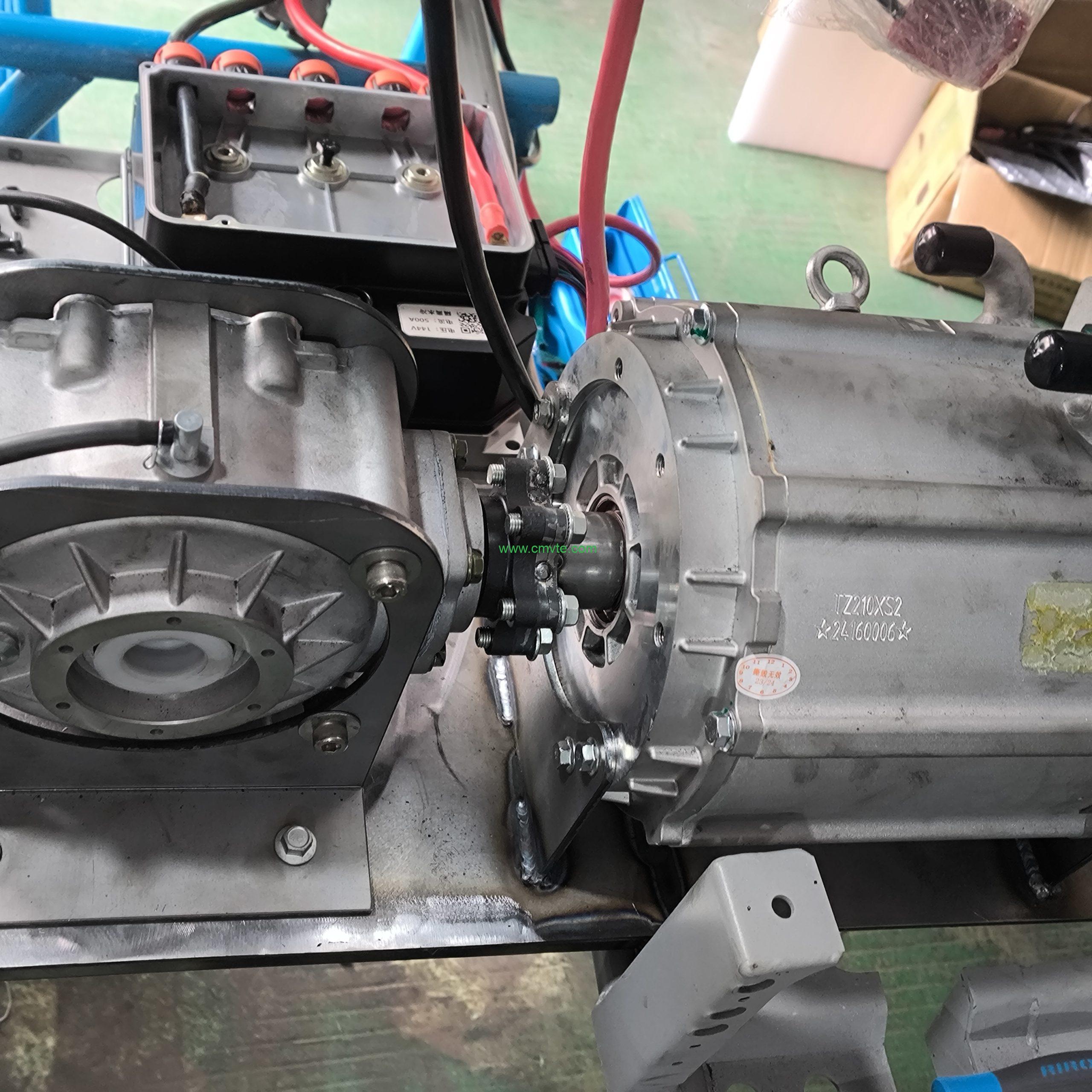
| Motor Type | 144V 40kW PMSM, 250Nm | Equivalent 144V PMSM |
| Price (motor only) | $1,299 | ~$3,400 |
| Supply Chain | 1 layer (factory → you) | 3-4 layers (imported through distributors) |
| Customization | Free shaft/cooling/mount options | Fixed SKU, no modification |
| Shipping Coverage | 130+ countries, DDP available | US/CA only typically |
| System Matching | Motor + controller + battery + OBC + DC-DC | Motor only, source rest separately |
How to Pick the Right Motor for Your Build
CMVTE's engineering team uses a simple workflow to match customers to the right motor:
- Vehicle curb weight + battery weight: A 1-ton sedan needs 250Nm+ peak torque. A 2-ton UTV needs 400Nm+. A farm truck needs continuous torque, not peak power.
- Target performance: Brisk daily driving (0-60 in 7-9s) or sporty (0-60 in 5-6s)? Your target defines the motor power band you need.
- Voltage band: 72V for light vehicles and trikes. 144V for most sedans and SUVs. 312V-540V for heavy trucks and commercial fleets.
- Cooling: Air cooling is fine for 40kW continuous. Above 60kW, liquid cooling is mandatory. CMVTE offers both, with pre-configured cooling loops for our motors.

130+ Countries Can't Be Wrong
CMVTE has shipped complete EV drivetrains to over 1,000 customers across 130 countries — from DIY garage builders in Germany converting a VW Golf to farmers in Kenya retrofitting their UTVs. Every motor is tested on the bench before shipping. Every controller is programmed to match your specific battery voltage and pedal profile.
We are not a dropshipper. We are the factory. That means you can request custom shaft dimensions, mounting brackets, cooling fittings, CAN bus protocols, and even custom winding configurations — all included in the factory price, not a "customization fee" upcharge.
Ready to Stop Overpaying?
The best motor for your car conversion is the one that matches your vehicle, performance target, and budget — without the middleman markup. Tell CMVTE your vehicle model, target 0-60 time, and budget, and we will recommend a complete drivetrain solution within 24 hours.
📩 Contact CMVTE now for a factory-direct quote on your EV conversion motor. Include your vehicle model and target specs — we will respond within 24 hours.

