What to Know Before Converting a Ford to Electric
The world of electric vehicles has grown far beyond factory-built EVs from major automakers. Thousands of classic car enthusiasts, engineers, hobby builders, and custom shops are now turning gasoline vehicles into clean electric builds of their own. Among all brands, Ford cars and trucks are some of the most popular platforms for DIY electric conversions, thanks to their huge availability, simple mechanical layouts, and strong aftermarket support.
This growing interest has led to a booming market for the Ford DIY electric car kit, a term used to describe conversion packages that replace a gasoline engine with electric components. These kits range from basic motor bundles to advanced systems with batteries, controllers, wiring, and instrumentation.
This article explains what a Ford DIY electric car kit typically includes, why Ford vehicles are often chosen for conversion, what makes a good kit, and what builders should consider before beginning a project.
Why Convert a Ford to Electric?
Ford vehicles are a favorite among conversion hobbyists for several reasons:
1. Widely Available
From old F-Series trucks to Mustangs, Escorts, Rangers, Focus models, and classic sedans, Ford vehicles are easy to find and easy to work on. Many older models are inexpensive, making them practical platforms for experimentation or restoration.
2. Straightforward Engineering
Many older Ford vehicles use traditional mechanical layouts without complex computer systems, making them more adaptable when replacing the original powertrain. Even newer Ford models can be converted, though they may require more engineering support.
3. Strong Aftermarket Support
Ford’s huge global market means replacement parts, mounting accessories, and upgrade components are easier to source than for smaller brands. Conversion companies also frequently test kits on Ford vehicles, so compatibility is common.
4. Long-Term Operating Savings
A well-designed electric conversion can reduce:
- Fuel use
- Maintenance frequency
- Operating noise
And depending on local charging costs, owners may save significantly over time.
What Is a Ford DIY Electric Car Kit?
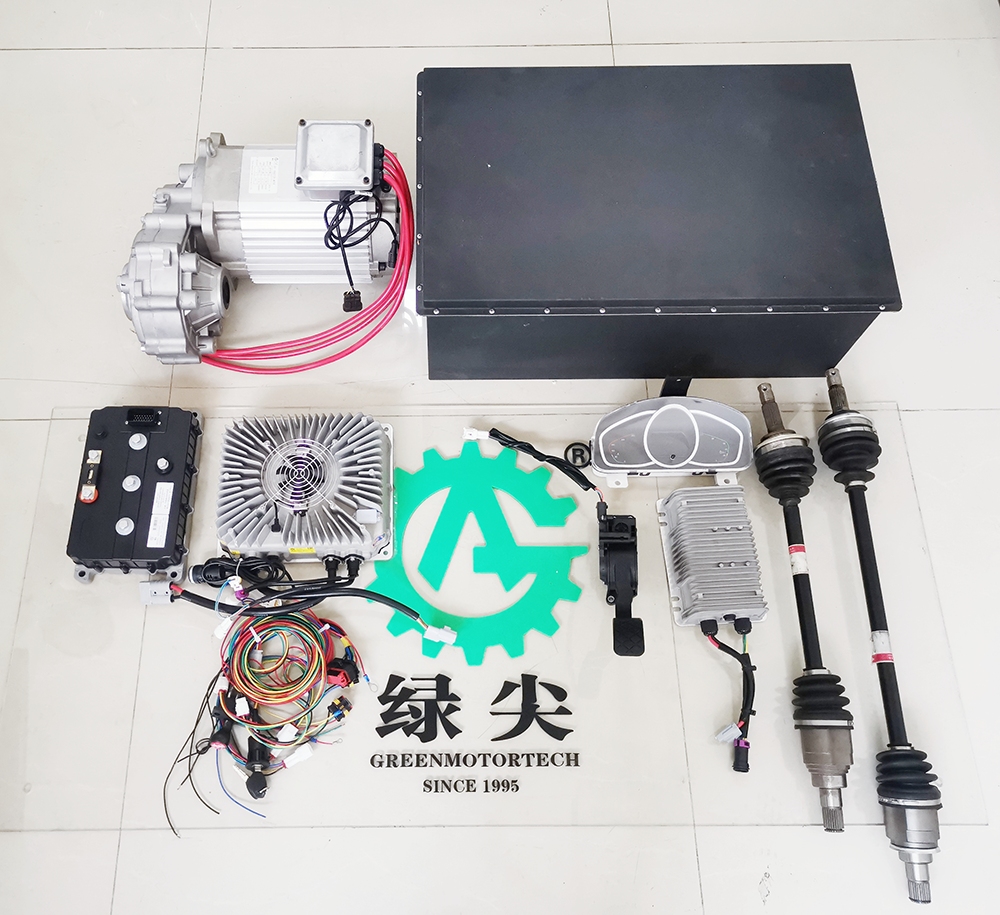
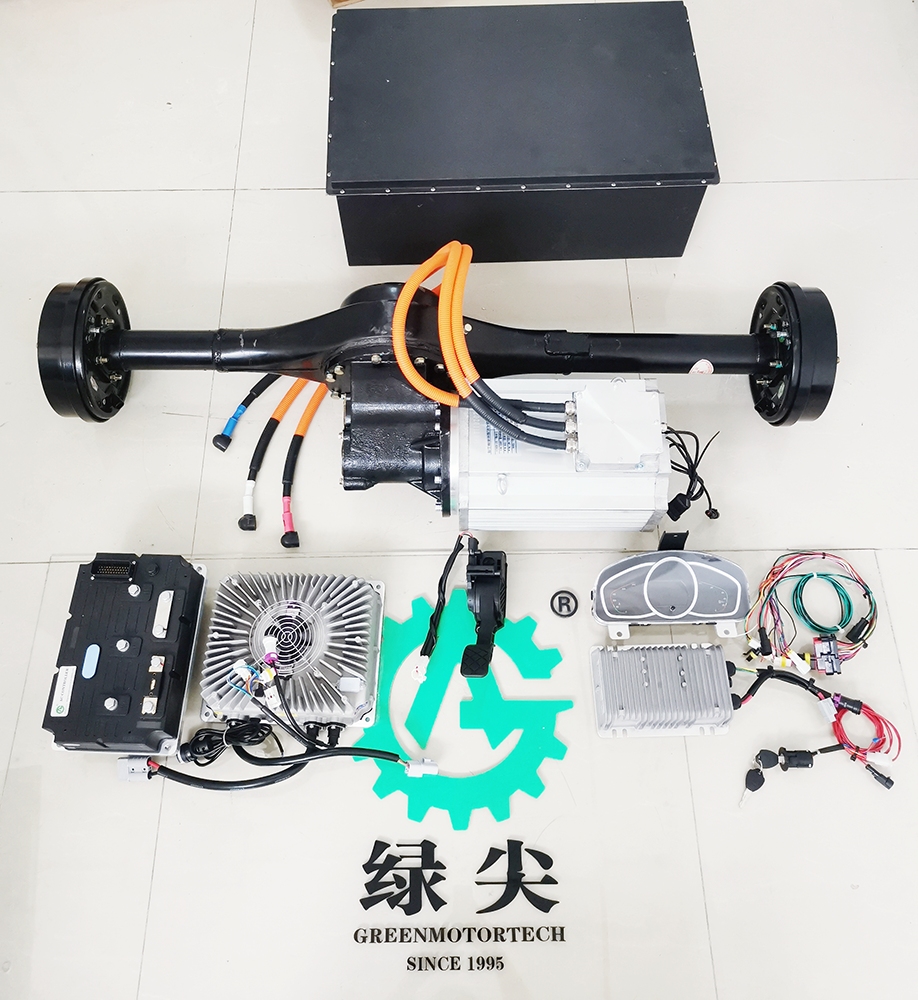
A Ford DIY electric car kit is a packaged set of components designed to replace the gasoline or diesel engine with an electric power system. The exact content varies by manufacturer, but most kits include:
- Electric motor
- Motor controller/inverter
- Throttle interface
- Cabling and connectors
- Instrumentation (speed, battery state, etc.)
- Mounting adapters for drive system connection
Some premium kits may also include:
- Battery packs
- Battery management system
- DC-DC converter
- On-board charger
- Cooling components
High-quality kits aim to reduce guesswork by matching motor torque, voltage, axle gearing, and mounting requirements to the vehicle platform.
Types of Ford Electric Conversion Kits
Different kits are designed for different needs. Most fall into several categories:
1. Basic Motor Kits
These provide only the core propulsion components. They are suitable for builders who want to source batteries independently or who are doing more customized installations.
2. Complete Drive Kits
These include motor, controller, wiring, throttle controls, and sometimes mounting brackets designed for a specific model. They are targeted at builders who want a clean starting point without designing the drivetrain from scratch.
3. All-in-One EV Drive Crates
This category has grown rapidly in recent years. Some companies now sell single factory-assembled electric “drive units” that include:
- Integrated motor
- Transmission or reduction gear
- Cooling system
- Power electronics
These can simplify engineering in high-performance builds such as Mustang or F-150 conversions.
4. EV Kits for Commercial Use
Ford trucks and vans, especially used fleet units, are popular candidates for electric conversions for urban routes or small delivery operations. These kits emphasize:
- High torque
- Long cycle life
- Reliability over performance
Which Ford Models Are Commonly Converted?
Although nearly any Ford can be electrified with enough customization, several models appear again and again in conversion communities:
Ford Mustang (Classic and Modern)
The Mustang is one of the most frequently converted cars in the world thanks to its iconic design, simple framing, and a huge aftermarket. Electric conversions are often used in:
- Restomod builds
- Demonstration vehicles
- Quiet high-performance track projects
F-Series Trucks
Older F-150 and F-250 trucks make excellent EV platforms due to:
- Interior space
- Large engine bays
- Strong chassis strength
Builders often use these trucks for farm applications, utility projects, or urban commercial use.
Ford Ranger
The Ranger has long been a favorite in the EV community. Ford itself sold electric Rangers in the late 1990s, proving that the truck adapts well to electric drivetrains.
Ford Focus, Fiesta, and Other Compact Cars
Smaller commuter cars are popular for budget conversions because:
- They require less power to move
- Battery size can be smaller
- Overall conversion cost is lower
What Makes a Good Ford DIY Electric Car Kit?
Because converting a vehicle to electric involves high-voltage systems, heat management, mechanical tuning, and safety considerations, the quality of the kit matters a great deal. A good kit should provide:
1. Proven Compatibility
Ideally, the components have been tested on the same or similar Ford models, resulting in more predictable performance and easier installation planning.
2. High-Quality Motor and Controller
The motor should provide:
- Enough torque for the vehicle weight
- Stable performance at the system voltage
- Proper thermal management features
The controller determines how smoothly the vehicle accelerates and how efficiently the motor operates.
3. Detailed Documentation
Even an experienced builder benefits from clear wiring information and mechanical specifications. Good documentation does not remove the need for skilled installation, but it helps reduce trial-and-error.
4. Scalable Battery Options
Some builders prioritize long range, while others focus on light weight, short trips, or fleet duty. The kit should support batteries that match the intended use.
Safety and Responsibility Matter
Electric vehicle systems use high voltage and store large amounts of energy. Converting a vehicle is not casual weekend work—it requires mechanical knowledge, electrical understanding, and proper safety equipment. Anyone considering a project like this should:
- Work with qualified adults or professionals
- Use proper protective equipment
- Follow local regulations
- Ensure vehicles remain safe for road use
Many successful conversions are done by workshops, professional engineers, and vocational programs. Young hobbyists can still participate and learn, but always under guidance.
Is a DIY Kit Right for Everyone?
A Ford DIY electric car kit makes the conversion process more structured, but it is still a serious engineering project. It may be worth considering:
A DIY Kit Is a Good Fit If:
- You enjoy hands-on mechanical projects
- You want a custom electric car
- You are working with a professional or experienced team
- You have the time and workspace needed
A Professional Shop May Be Better If:
- You need the vehicle ready quickly
- The project is meant for commercial use
- Your local regulations require certified installation
Both paths are valid—what matters is that the final result is safe, reliable, and well-engineered.
Conclusion
The Ford DIY electric car kit continues to gain popularity as more drivers and builders look toward cleaner transportation and personalized vehicle projects. Whether transforming a classic Mustang into a silent sports machine or giving an old F-150 a second life as a clean work truck, the growing ecosystem of electric conversion kits makes these projects more achievable than ever.
The key is understanding the components, planning realistically, and making sure safety always comes first. With thoughtful design and proper support, a converted Ford can deliver unique performance, modern efficiency, and a new chapter in the life of a beloved vehicle.