

Searching for a DIY electric car conversion kit in the UK usually leads to the same result: US-imported kits landing at £12,000-£18,000 after shipping, import VAT, and customs clearance — plus the headache of adapting American-spec components to UK roads. There is a better option: CMVTE ships factory-direct from our Foshan plant to your UK doorstep, with Type 2 charging compatibility, right-hand drive support, and DVLA-ready documentation, starting at £5,950 for a complete 40 kW system.
What UK Builders Actually Pay for DIY EV Kits
| Kit Source | Kit Price | Shipping + VAT + Duty | Total Landed in UK |
|---|---|---|---|
| US retailer (Hyper9-based) | $5,600 – $6,500 | ~$2,500 – $3,500 | £12,000 – £18,000 |
| UK conversion shop | N/A (full service) | N/A | £25,000 – £45,000+ |
| CMVTE factory direct | $5,950 – $7,550 | DDP included | £5,950 – £7,550 |
CMVTE offers Delivered Duty Paid (DDP) shipping to the UK. The kit price you see is what you pay — no surprise customs bills, no brokerage fees, no port handling charges. Your kit arrives at your workshop or home address with all duties and VAT settled.
What CMVTE Kits Include for UK Builders
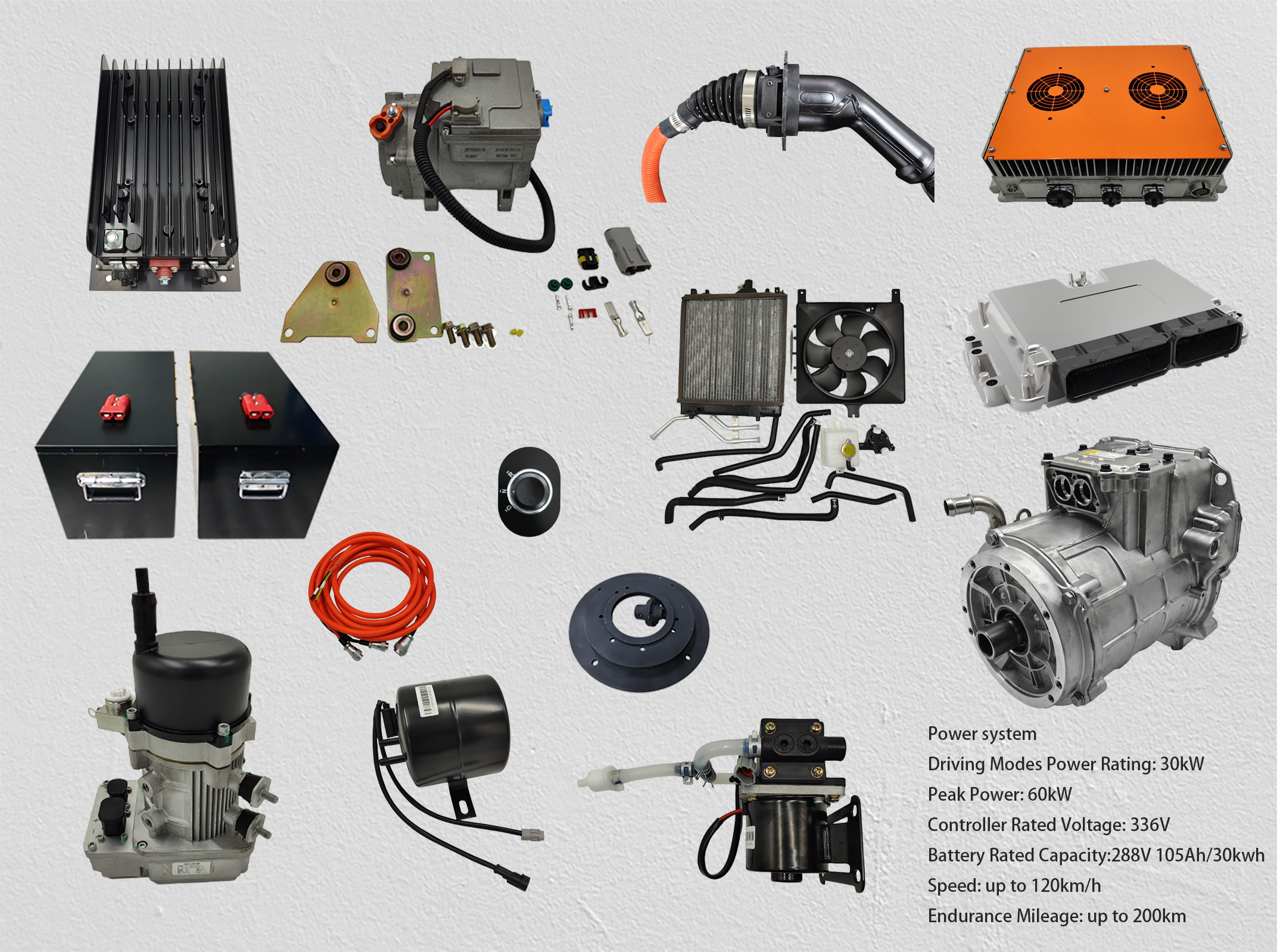
Every CMVTE DIY kit is a complete drivetrain package, not a box of random parts. You get 10 pre-matched components bench-tested before shipping:
- PMSM electric motor — 10 kW to 120 kW, air or liquid cooled
- Motor controller/inverter — pre-programmed to your motor and battery voltage
- Lithium battery pack — LiFePO4 or NMC, 96V-540V, sized to your range target
- BMS with CAN bus — full cell monitoring, balancing, and safety
- Onboard charger — 3.3 kW or 6.6 kW, configured for UK Type 2 charging
- DC-DC converter — HV to 12V for lights, radio, and accessories
- Wiring harness — pre-terminated HV and LV looms
- Adapter plate and mounts — CNC-machined for your car's gearbox pattern
- Cooling loop — radiator, pump, hoses, reservoir
- Instrumentation interface — keeps your original speedo and dashboard working
US retailer kits typically include items 1-3 and expect you to source the rest. CMVTE delivers all 10, matched at the factory.

DVLA Compliance and UK Road Legality
A common worry for UK builders is whether a converted vehicle can pass DVLA inspection and be re-registered as electric. The process is more straightforward than most people expect, and CMVTE supports it at every stage:
- Fuel type change: Your V5C logbook must be updated from "Petrol" or "Diesel" to "Electric." CMVTE provides the documentation pack (photos of the conversion, receipts for all major components, wiring diagram, and weight certificate) that DVLA typically requests when processing a "radically altered vehicle" application.
- IVA / MSVA: If you are converting a vehicle less than 10 years old, it may need an Individual Vehicle Approval (IVA) inspection. Older vehicles (historic class, over 40 years) are exempt and only need the V5C update. CMVTE can supply the technical data sheets needed for IVA submissions, including motor power ratings, battery voltage, and weight distribution calculations.
- Type 2 charging: All CMVTE chargers are configurable for UK Type 2 (Mennekes) inlets, compatible with the UK public charging network and home wall boxes. We also support CHAdeMO for fast charging on compatible battery packs.
- Right-hand drive: CMVTE's motor and controller packaging fits RHD engine bays without modification. Adapter plates are available for common UK donor vehicles: Mini, MG B, Triumph Spitfire, Land Rover Defender, Morris Minor, VW Beetle, and more. If your car is not listed, we can machine a custom plate at the factory at no extra charge.
Most UK builders report completing the DVLA re-registration process in 4-8 weeks with the documentation CMVTE provides. The key is having clear photos of the motor mount, battery placement, wiring routing, and a dated receipt for the kit — all of which we supply as part of the purchase.
Real Cost: UK DIY Build with CMVTE Kit
Example: Converting a 1995 Mazda MX-5 (Mk1) with a CMVTE 40 kW kit (£5,950) plus a 20 kWh battery pack upgrade (£1,800). Total kit cost: £7,750 landed. Installation by a local garage: £1,500-£2,500. Total project: ~£10,000. The same car converted by a UK specialist would cost £25,000-£35,000. You save £15,000+ by supplying your own labour and buying the kit direct from the factory.
Over 20,000 km/year, the electric MX-5 costs ~£400 in electricity versus ~£2,400 in petrol. Payback on the £7,750 kit: just over 2 years.
Start Your UK EV Build Today
CMVTE has shipped to over 1,000 customers across 130+ countries, including dozens of successful UK conversions. Our engineers can spec a complete DIY kit for your donor vehicle — with the correct adapter plate, charger type, and battery size — and ship it DDP to your UK address within 2-4 weeks.
🇬🇧 Contact CMVTE now with your vehicle model, year, and target range — we will send you a complete DIY EV conversion kit quote with DDP UK pricing within 24 hours.

