

If you want to convert a Rato Nano mini vehicle into a fully electric vehicle, the estimated cost is typically between $1,800 and $5,500 for a small utility vehicle conversion project.
This estimate is based on the core components required for an EV conversion, including an electric motor, motor controller, lithium battery pack, charger, wiring system, and mounting hardware. For small and lightweight vehicles like the Rato Nano, the power requirement is relatively low, so the total conversion cost can be much lower than converting a full-size car. In many cases, entry-level EV conversion systems can start from around $2,000–$5,000 for basic kits designed for small vehicles or low-speed applications.
However, the actual cost may vary depending on several factors, such as:
-
Battery capacity and driving range
-
Motor power (2kW, 3kW, 5kW, etc.)
-
Whether you install the system yourself or hire a professional
-
Custom fabrication and mounting parts
In many Western markets, complete EV conversions for larger vehicles can easily cost $10,000 to $40,000 or more, mainly due to expensive components and labor costs.
For small vehicles like the Rato Nano, sourcing components directly from a manufacturer can significantly reduce the overall cost. By choosing a complete electric conversion kit from China-based manufacturers such as CMVTE, customers can often obtain motors, controllers, and matched systems at a much more affordable price compared with buying individual components from multiple suppliers.
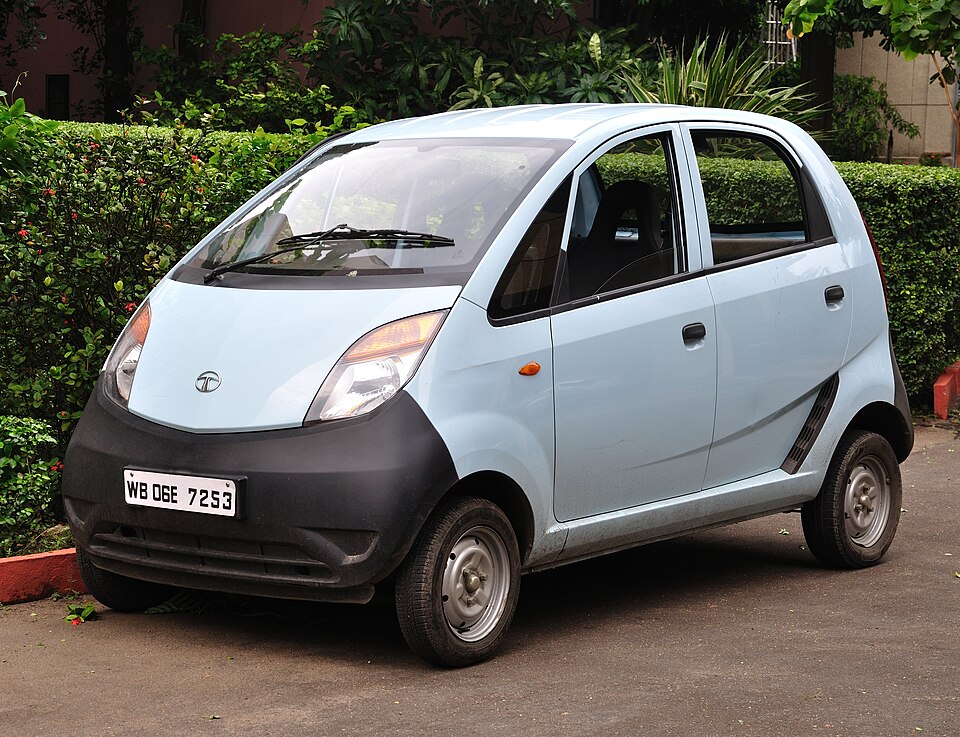
Can the Rato Nano Be Converted to Electric?
Yes, in most cases the Rato Nano can be converted into a fully electric vehicle, and small utility vehicles like this are actually among the easiest and most cost-effective platforms for EV conversion.
The main reason is that vehicles such as the Rato Nano are typically lightweight, simple in mechanical structure, and designed for low-speed transportation. Unlike large passenger cars that require high-power motors and large battery packs, a compact utility vehicle can usually operate efficiently with a 2kW to 5kW electric motor system. This significantly reduces both the conversion complexity and the total project cost.
A typical electric conversion for a small vehicle involves removing the original gasoline engine and installing several key components:
-
An electric drive motor to replace the engine
-
A motor controller to regulate power delivery
-
A lithium battery pack to store energy
-
A charger and battery management system (BMS)
-
Wiring, mounting brackets, and integration hardware
In many projects, the existing transmission or rear axle system can still be retained, which further simplifies the conversion process. This is why many small vehicles—including mini trucks, golf carts, farm utility vehicles, and light transport vehicles—are commonly converted to electric power.
For users who want a simpler installation process, manufacturers like CMVTE provide matched electric conversion kits designed specifically for small vehicles. These kits usually include the motor, controller, and compatible components that work together as a system, helping reduce engineering work and making the conversion more straightforward for both DIY builders and commercial workshops.
In the next section, we will break down the actual cost of each component required to convert a Rato Nano to electric, so you can better estimate the total budget for your project.
Cost Breakdown of a Rato Nano Electric Conversion
To better understand the total budget, it helps to break down the individual components required for a Rato Nano electric conversion. While prices vary depending on performance requirements and battery capacity, the following table shows a typical cost range for a small utility vehicle EV conversion.
| Component | Estimated Cost | Description |
|---|---|---|
| Electric Motor | $300 – $900 | Provides the main driving power. Small vehicles usually require 2kW–5kW motors. |
| Motor Controller | $200 – $800 | Controls motor speed, torque, and efficiency. Must match the motor and voltage system. |
| Lithium Battery Pack | $800 – $3,000 | The largest cost item. Determines the driving range and vehicle performance. |
| Charger | $100 – $400 | Used to recharge the battery from a standard AC power source. |
| BMS (Battery Management System) | $80 – $300 | Protects the battery from overcharge, over-discharge, and overheating. |
| Wiring, DC Converter & Accessories | $150 – $500 | Includes cables, connectors, DC-DC converter, throttle, and control accessories. |
Based on this breakdown, most Rato Nano electric conversion projects typically cost between $1,800 and $5,500, depending primarily on the battery capacity and motor power you choose.
The battery system is usually the largest factor affecting the final price. For example:
- A 72V 60Ah battery pack may provide a short urban driving range at a lower cost.
- A 72V 100Ah or 120Ah battery pack increases range but significantly increases the overall budget.
Another factor is whether you purchase components individually or choose a complete electric conversion kit. Many DIY builders spend extra time matching motors, controllers, and wiring systems from different suppliers. In contrast, using a matched conversion kit from manufacturers such as CMVTE can simplify the process because the components are already engineered to work together, which often reduces both installation time and compatibility issues.
Understanding these cost components helps you plan the project more clearly. In the next section, we will look at what motor power is most suitable for converting a Rato Nano to electric, and how to choose the right system for your driving needs.
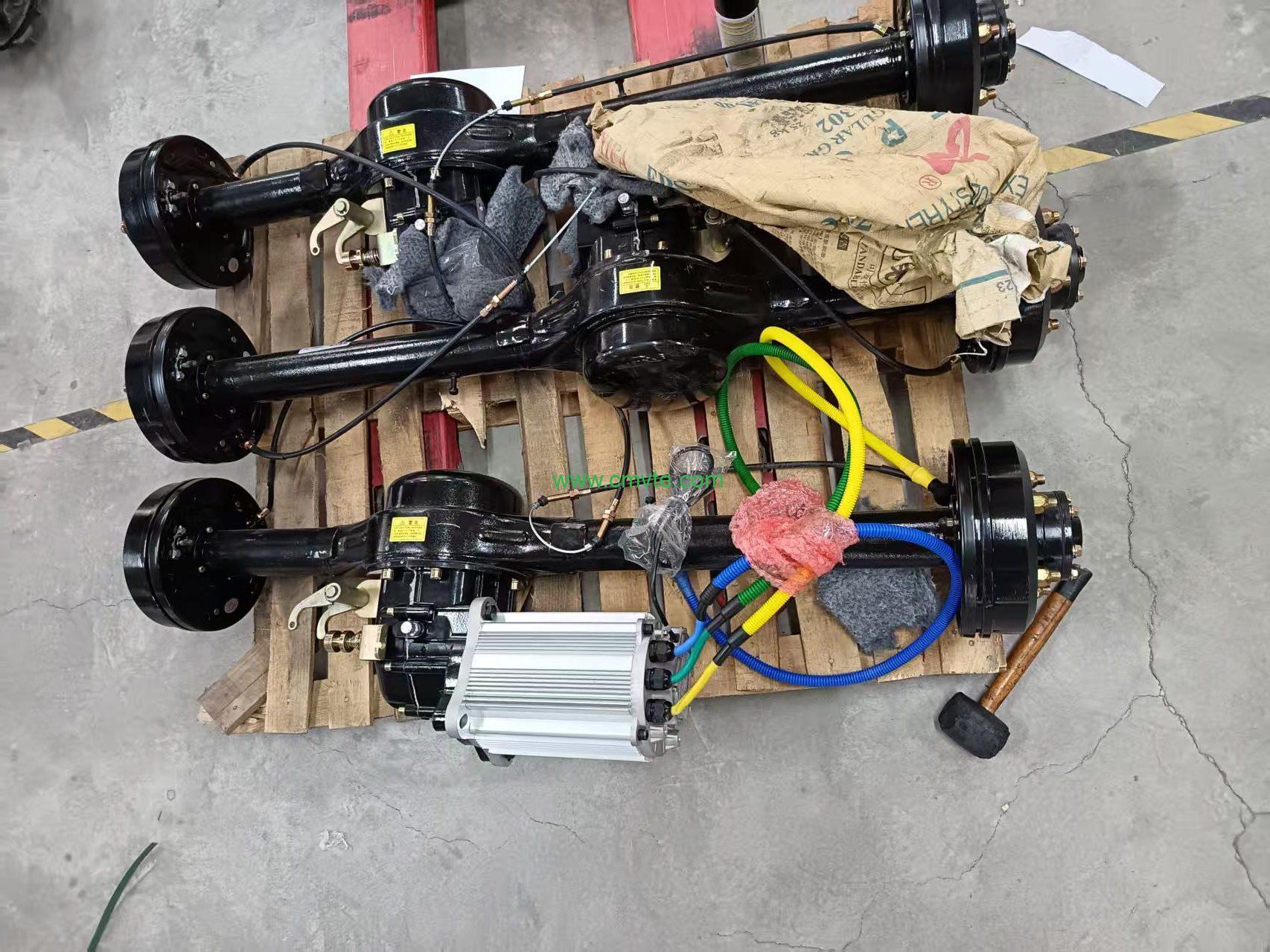
Choosing the Right Motor Power and Battery Range for a Rato Nano Electric Conversion
When converting a Rato Nano to electric, selecting the correct motor power and battery capacity is one of the most important decisions. These two factors determine the vehicle’s speed, torque, and driving range, and they also have the biggest impact on the total conversion cost.
For small utility vehicles like the Rato Nano, extremely high power is usually unnecessary. In most practical projects, a 2kW to 5kW electric motor system is sufficient to provide smooth acceleration and reliable performance.
Here is a general guideline for motor selection:
| Motor Power | Typical Use | Expected Performance |
|---|---|---|
| 2kW Motor | Light-duty use | Suitable for flat terrain and low-speed transportation |
| 3kW Motor | Standard configuration | Good balance between power, efficiency, and cost |
| 5kW Motor | Heavy-duty or cargo use | Better climbing ability and stronger acceleration |
For most users converting a small transport vehicle or mini utility truck, a 3kW motor paired with a 72V system is often the most practical choice. It provides enough power for daily use while keeping the system efficient and affordable.
Battery capacity determines how far the vehicle can travel after the conversion. Because the Rato Nano is lightweight, it does not require a very large battery pack to achieve a useful driving range.
Below are some common battery configurations used in small EV conversions:
| Battery Configuration | Estimated Range |
|---|---|
| 72V 60Ah | Around 40–60 km |
| 72V 100Ah | Around 70–90 km |
| 72V 120Ah | Around 90–120 km |
Of course, the actual driving range depends on several real-world factors such as vehicle load, driving speed, terrain, and driving habits. For example, vehicles used on farms, factories, or campuses may achieve longer ranges because they operate at lower speeds.
Many electric conversion projects today use lithium batteries, which offer higher energy density, longer lifespan, and lower weight compared with traditional lead-acid batteries. Although lithium batteries have a higher initial cost, they typically last several times longer, making them a better long-term investment.
For customers who want a simpler solution, companies like CMVTE provide matched systems where the motor, controller, and battery voltage are already designed to work together. This reduces the engineering work required and helps ensure stable performance after the conversion.
With the right motor and battery combination, a converted Rato Nano can become a quiet, low-maintenance, and energy-efficient electric vehicle, suitable for many applications such as farm transport, factory logistics, or short-distance urban mobility.
Is Converting a Rato Nano to Electric Worth It? And What Solutions Are Available?
For many users, the next question after understanding the cost and technical setup is simple: is it worth converting a Rato Nano to electric instead of buying a new electric vehicle? In many cases, the answer is yes—especially for small utility vehicles.
Buying a brand-new electric vehicle can be expensive, and for specialized vehicles like mini trucks or utility transporters, the options may also be limited. A new electric utility vehicle can easily cost $6,000 to $15,000 or more, depending on the brand and battery size. In comparison, converting an existing Rato Nano using an electric conversion system often costs $1,800 to $5,500, which makes it a much more economical option.
Beyond the initial savings, electric conversions also provide several long-term advantages:
- Lower operating costs – Electricity is usually cheaper than gasoline.
- Reduced maintenance – Electric motors have far fewer moving parts than combustion engines.
- Quiet operation – Ideal for farms, factories, resorts, and residential areas.
- Environmental benefits – Zero exhaust emissions during operation.
For businesses that rely on small transport vehicles—such as farms, warehouses, construction sites, or campus logistics—converting existing vehicles can significantly reduce fuel costs over time.
To simplify this process, manufacturers such as CMVTE offer complete electric conversion kits designed for small vehicles and utility platforms. These systems typically include the electric motor, motor controller, throttle system, and key electrical components required to replace the gasoline engine. Because the components are designed to work together, installation becomes much easier compared with sourcing parts individually.
CMVTE also supports custom conversion solutions based on different vehicle sizes and power requirements. For example, customers converting small vehicles like the Rato Nano can choose systems ranging from 2kW to 5kW, depending on the load capacity and performance needs.
For users planning an EV conversion project, working directly with a manufacturer can help ensure that the motor, controller, voltage system, and installation components are properly matched, which reduces engineering challenges and improves reliability.
In the next section, we’ll answer some of the most common questions about small vehicle electric conversions, including installation difficulty, battery selection, and expected performance after conversion.
Frequently Asked Questions About Rato Nano Electric Conversion
1. How long does it take to convert a Rato Nano to electric?
The conversion time depends on the installer’s experience and the complexity of the setup. For a small vehicle like the Rato Nano, a typical electric conversion can take 1–3 days if all components are prepared in advance. DIY builders may take longer because they need additional time for wiring, mounting, and testing. Using a complete electric conversion kit can significantly reduce installation time since the major components are already designed to work together.
2. Do I need to remove the entire drivetrain during the conversion?
Not necessarily. In many small vehicle conversions, the original transmission, differential, or rear axle can still be used. The gasoline engine is removed and replaced with an electric motor that connects to the existing drivetrain. Keeping part of the original mechanical system often simplifies the installation and reduces overall modification costs.
3. What battery type is best for a Rato Nano electric conversion?
Most modern EV conversion projects use lithium batteries because they provide several advantages over traditional lead-acid batteries:
- Higher energy density
- Longer service life
- Lighter weight
- More stable performance
Although lithium batteries have a higher initial cost, they usually last 3–5 times longer, making them the preferred option for most electric conversion projects.
4. What top speed can a converted Rato Nano reach?
The top speed depends on the motor power, voltage system, and gear ratio of the vehicle. With a typical 72V electric system and a 3kW–5kW motor, a converted Rato Nano can generally reach 40–60 km/h, which is sufficient for most utility applications such as farms, industrial sites, campuses, or short-distance transport.
5. Can beginners perform an electric vehicle conversion?
Yes, many enthusiasts and small workshops successfully complete EV conversions. However, some basic knowledge of electrical wiring, mechanical installation, and safety precautions is recommended. Beginners often find the process easier when using a matched electric conversion kit, since the key components—such as the motor, controller, and throttle system—are already designed to work together.
Final Thoughts
Converting a Rato Nano to electric can be a practical and cost-effective way to transform a small gasoline-powered vehicle into a clean, efficient electric utility vehicle. In most cases, the total conversion cost falls between $1,800 and $5,500, depending on the motor power, battery capacity, and system configuration.
Because the Rato Nano is a lightweight and simple vehicle platform, it is particularly well suited for electric conversion. With the right motor system and battery setup, the converted vehicle can deliver quiet operation, lower running costs, and reliable performance for many everyday applications.
For customers planning a similar project, working with an experienced manufacturer can simplify the process. CMVTE provides electric conversion kits and customized solutions for small vehicles, including motors, controllers, and integrated drive systems designed to work together. Choosing a matched system helps reduce installation challenges and ensures stable performance after the conversion.
If you are considering converting a Rato Nano or another small vehicle to electric, you can contact the CMVTE team to discuss the best motor power, battery configuration, and conversion kit for your specific application.


