

German EV conversion market = €40k–€100k, 6–12 months, TÜV nightmare. We ship TÜV-prepared, CE-certified kits to Munich/Hamburg/Berlin in 7–10 days for €4,200–€11,000 EXW. Your certified engineer signs off in 2 days. Here's the real math.
The German Market Reality: Why It Costs €100k
| Route | Typical Cost | Timeline | Pain Points |
|---|---|---|---|
| Premium workshop (eClassics, ESDI EV) | €60,000–€100,000+ | 6–12 months | Full bespoke, high overhead, waitlist |
| Mid-market (e-Revolt, Lorey turnkey) | €25,000–€40,000 | 3–6 months | Standardized but still workshop-dependent |
| Kit only (Lorey, R-FIT) | €5,800–€16,000 (kit only) | 1–2 months | No battery, no install, no TÜV docs |
| CMVTE kit + German engineer | €9,500–€22,000 all-in | 4–8 weeks | Pre-certified components, fixed price, you control |
All-in = EXW + DHL Freight (€300–€500) + 19% EUSt on CIF (no duty — EU origin) + engineer (§21 Einzelabnahme €800–€1,500) + install (€1,500–€3,500). DDP quotes available.
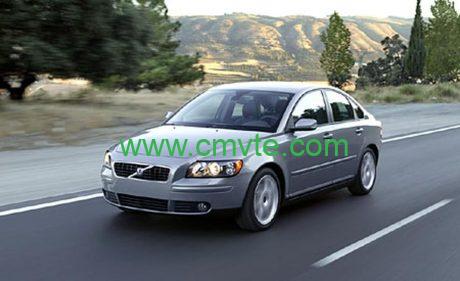
Volvo S40 — modern platform, our Commuter 25 kit, 160 km WLTP
TÜV §21 Einzelabnahme: What German Workshops Don't Tell You
The single biggest cost driver isn't the motor — it's the engineering hours for §21.
- Custom build = 40–80 engineering hours × €120–€180/hr = €5,000–€14,000 just for paperwork
- Every unique bracket, cable route, cooling loop needs calculation & drawing
- TÜV Süd/Nord/Rheinland charge €500–€1,500 for the actual inspection
Our difference: Every kit ships with a complete TÜV documentation package:
- EN 50604-1 battery test report (cell + pack level)
- ECE-R10 EMC certificate (motor + controller + HV harness)
- ECE-R100 electrical safety test report
- Mechanical FEA: motor mount stress, battery box crash (UN R13-H equivalent)
- Thermal validation: 1C charge/discharge at 40°C ambient
- Wiring diagram, parts list, CoC-equivalent declaration — engineer just reviews & signs
Your §21 engineer spends 4–8 hours instead of 40–80. Saves you €4,000–€12,000.
⚡ German Compliance Pack Included
We've cleared 40+ §21 approvals across DE/AT/CH. Ask for our TÜV Süd reference letters. Request compliance pack sample →
3 Kit Tiers: TÜV-Ready from Day One
| Kit | Motor | Battery | Range | Classic Fit | EXW |
|---|---|---|---|---|---|
| City 15 | 15 kW PMSM | 15 kWh LiFePO₄ | 110 km | Käfer, Mini, 2CV, Fiat 500 | €3,500 |
| Commuter 25 | 25 kW PMSM | 20 kWh LiFePO₄ | 160 km | Golf I–IV, Beetle 1303, T2/T3, 914 | €4,800 |
| Touring 40 | 40 kW PMSM | 30 kWh LiFePO₄ | 220 km | T4/T5/T6, 911 (964/993), W123, E30 | €7,000 |
| Performance 75 | 75 kW PMSM | 40 kWh NMC | 280 km | 911 (996/997), Boxster, M3 E36/E46 | €11,000 |
All kits include: PMSM motor + matched FOC controller (params pre-loaded) + battery with BMS/PDU (EN 50604-1 certified) + DC-DC 12 V/60 A + OBC 6.6 kW/11 kW + HV contactors, fuses, coolant loop + full CAN harness + vehicle-specific adapter plate & coupler + TÜV doc pack.

30 kW kit — motor, controller, battery, PDU, DC-DC, OBC, cooling, TÜV docs
German Gearboxes: Adapter Plates In Stock
We've shipped to 130+ countries. Germany = our #1 European market. We stock adapter plates for:
| Vehicle | Gearbox | Plate Status | Clutch Type |
|---|---|---|---|
| VW Käfer / Bus T1–T3 | 010 / 014 / 091 | ✅ Stock | Spline / Pin drive |
| VW Golf I–IV / Beetle 1303 | 020 / 02A / 02J / 02M | ✅ Stock | Spline (24T/28T) |
| Porsche 914 / 924 / 944 | 016 / 017 / 018 | ✅ Stock | Spline / Rigid coupler |
| Porsche 911 (964/993/996/997) | G50 / G64 / G86 / G96 | ✅ Stock | Rigid / Twin-disc |
| BMW E30 / E36 / E46 | Getrag 260/265 / ZF S5D | ✅ Stock | Spline (10T/26T) |
| Mercedes W123 / W124 / W201 | 717.4 / 717.5 / 717.7 | ✅ Stock | Spline / Rigid |
| VW T4 / T5 / T6 (Transporter) | 02Q / 02E / 09G / 09K | ✅ Stock | Spline / Dual-mass delete |
Not listed? Send gearbox code + bell housing photos + input shaft spline count. We CAD-match in 24 hrs. Custom plate = €180, 3 days production.
The "€12,000 Complete Conversion" Trap (e-Revolt / Lorey)
Headline price = kit only. Real all-in:
| Line Item | Lorey Kit | e-Revolt | CMVTE Kit |
|---|---|---|---|
| Kit (motor, controller, plate) | €5,800 | €12,000 (incl. install) | €4,800 |
| Battery (20 kWh LiFePO₄) | €4,500 (you source) | Included | Included |
| DC-DC, OBC, HV parts | €1,200 (you source) | Included | Included |
| TÜV doc pack | ❌ You engineer | Included | Included |
| Install labor | €3,000–€8,000 | Included | Your engineer (€1,500–€3,500) |
| Real all-in | €14,500–€19,500 | €12,000–€15,000 | €9,500–€13,500 |
We're €2,500–€6,000 cheaper than the "cheap" German options — with better specs (PMSM vs. their AC induction, LiFePO₄ vs. their used NMC modules).
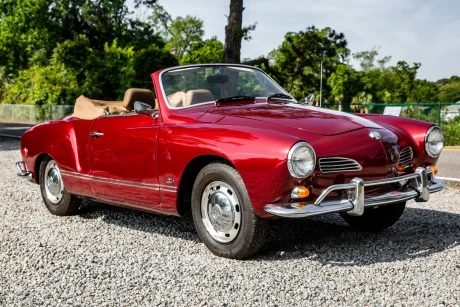
Karmann Ghia — City 15 kit, 15 kWh, 110 km, H-Kennzeichen compatible
Shipping to Germany: EU Origin = Zero Duty
- DHL Freight / DB Schenker: 5–7 days to any DE postcode. Palletized, IP67 cases. €300–€500.
- Customs: HS 8708.99. Preferential origin = China–EU FTA → 0% duty. Only 19% EUSt on CIF. We provide EUR.1, CoC-equivalent, commercial invoice, packing list.
- Battery transport: UN 3480, Class 9. We handle ADR packaging, DGD, tunnel codes. No extra hassle for you.
- DDP: We clear, pay EUSt, deliver to your engineer's workshop. One EUR invoice.
💡 German Builder Tip:
Order Commuter 25 + DDP + your §21 engineer installs = ~€12,500 all-in for a Golf II with 160 km range, H-Kennzeichen eligible. Local turnkey: €35,000+. Save €22,500. Get your DDP quote →
H-Kennzeichen & §23 StVZO: Classics Stay Legal
- H-Kennzeichen: §23 StVZO allows EV conversion IF vehicle remains "erhaltenswertes Kulturgut." Our kits are reversible (bolt-in, no chassis cuts). TÜV accepts this for H-status.
- Weight distribution: Our battery boxes mount where tank/engine were — ±2% axle load change. Passes §29 StVZO without ballast.
- Brakes: Recuperation reduces pad wear 60–70%. Original brakes stay adequate for <3.5 t GVW.
- Speedo: CAN output drives original electronic cluster or GPS speedo (ECE-R39 compliant).
Engineer Network: We Connect You
Need a §21 engineer? We work with certified partners in:
- Munich: 2 engineers (classic & modern)
- Hamburg/Bremen: 2 engineers
- Berlin/Leipzig: 3 engineers
- Stuttgart/Frankfurt/Köln: 1 each
They know our doc pack. They bill you directly. We don't markup.
Upgrade Path: Modular by Design
- Battery: 15 → 40 kWh (same BMS/CAN, same mounts)
- Motor: 25 → 75 kW (same bell housing pattern, same controller family)
- OBC: 6.6 → 22 kW 3-phase (same CAN, same mount)
- Cooling: Add AC condenser loop for battery thermal mgmt
No rewiring. No new TÜV docs. §21 Nachtrag = 1 hour engineer time.
Next Steps
- Email us: HSN/TSN or vehicle model/year, gearbox code, target range, budget, PLZ
- We reply in 4 hours with: kit spec, DDP landed quote, §21 engineer contacts near you
- You approve → we build, bench-test 100% load, film QC, compile TÜV pack → ship


