

As electric vehicle technology evolves, two major approaches are emerging in the electric pickup truck market. One is factory-built electric trucks developed by automakers like Scout Motors, while the other is electric conversion trucks, which transform traditional gasoline pickups into electric vehicles using EV conversion kits.
The newly introduced Scout Terra electric pickup demonstrates how modern electric truck engineering can deliver impressive power, towing capacity, and off-road capability. At the same time, electric conversion trucks provide a flexible and cost-effective alternative for owners who want to electrify existing vehicles.
This article compares factory-built electric trucks like the Scout Terra with converted electric trucks in terms of powertrain, performance, range, towing capacity, and real-world usability.
1. Powertrain Architecture
Scout Motors Electric Truck
The Scout Terra is designed from the ground up as an electric truck platform. It uses a body-on-frame chassis combined with electric drive units and four-wheel drive.
Key powertrain features include:
-
Dual-motor all-wheel drive
-
Nearly 1,000 lb-ft of torque
-
800-volt electrical architecture
-
Optional range-extender generator system
The extended-range model uses a small gasoline engine that acts as a generator to recharge the battery while driving, enabling significantly longer travel distances.
This design combines electric propulsion with long-distance flexibility, addressing one of the biggest concerns with electric trucks: range anxiety.
Converted Electric Trucks
Converted electric trucks typically start as gasoline vehicles such as:
-
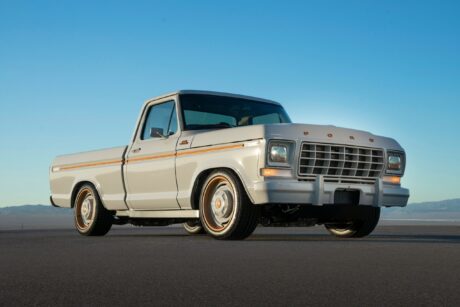
Ford F-150
-
Toyota Hilux
-
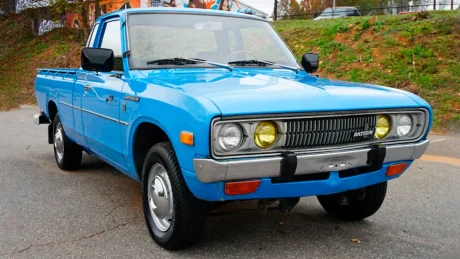
Nissan pickup trucks
These vehicles are retrofitted with:
-
Electric motors
-
Battery packs
-
Motor controllers
-
EV drivetrain systems
Unlike factory EV trucks, converted trucks usually retain the original chassis and body, meaning the electric system must adapt to the existing vehicle structure.
Advantages of conversion trucks include:
-
Lower development cost
-
Ability to reuse existing vehicles
-
Flexible motor and battery selection
However, the integration is rarely as optimized as a factory electric vehicle.
2. Performance and Acceleration
Electric trucks benefit from instant torque, and the Scout Terra demonstrates this advantage clearly.
The vehicle can accelerate from 0–60 mph in approximately 3.5 seconds, thanks to its powerful electric drivetrain.
This level of performance is comparable to high-performance electric trucks currently on the market.
Converted electric trucks can also deliver strong acceleration depending on the motor configuration. High-power EV conversion systems can produce torque comparable to factory EVs, but performance often varies depending on:
-
battery capacity
-
motor power
-
drivetrain compatibility
In many cases, converted trucks prioritize efficiency and practicality rather than maximum performance.
3. Driving Range
Range is a critical factor for electric pickup trucks.
The Scout Terra offers two powertrain options:
-
Pure electric version: up to 350 miles of range
-
Range-extended version: more than 500 miles with a gasoline generator assisting the battery system
The extended-range system allows drivers to refuel at gas stations while still benefiting from electric drive technology.
Converted electric trucks typically have a smaller range because battery size is constrained by the available space in the original vehicle chassis.
Typical conversion truck ranges:
-
150–300 miles depending on battery size
-
longer range possible with larger battery packs
However, adding large batteries increases weight and cost.
4. Towing Capacity
Pickup trucks must handle heavy loads, making towing capability extremely important.
The Scout Terra is expected to offer more than 10,000 pounds of towing capacity, along with around 2,000 pounds of payload.
This makes it competitive with many modern gasoline pickup trucks.
However, the range-extended hybrid version may have reduced towing capacity, potentially around 5,000 pounds, due to additional components such as the generator and fuel system.
Converted electric trucks vary widely in towing performance. If the original drivetrain and axle structure remain unchanged, towing capacity can remain similar to the original vehicle. However, powertrain integration and battery weight may affect:
-
load balance
-
cooling systems
-
drivetrain stress
As a result, towing capability in conversion trucks depends heavily on engineering quality.
5. Off-Road Capability
The Scout Terra is designed as an off-road capable electric truck. It features:
-
body-on-frame construction
-
solid rear axle
-
locking differentials
-
up to 35-inch tires
-
more than 1 foot of ground clearance
These features make it suitable for rugged terrain and outdoor use.
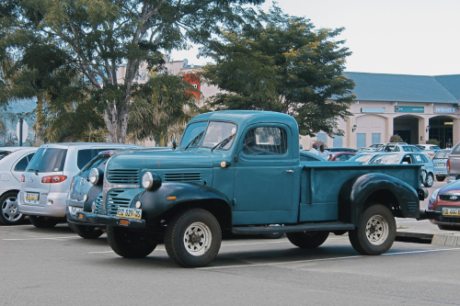
Converted electric trucks can also perform well off-road if the original vehicle platform supports it. In fact, many classic off-road vehicles such as Land Rover or Jeep platforms are popular candidates for EV conversion projects.
However, factory EV trucks typically integrate battery placement and chassis design more effectively for off-road durability.
6. Cost Comparison
Factory electric trucks involve significant development costs, reflected in their pricing.
The Scout Terra is expected to start below $60,000 depending on incentives and configuration.
Converted electric trucks can vary widely in price depending on the components used.
Typical conversion costs include:
-
electric motor system
-
battery pack
-
controller and inverter
-
installation and engineering
Total conversion cost can range from $15,000 to $40,000 or more, depending on performance targets.
For owners who already have a suitable vehicle, conversion may be more affordable than purchasing a new electric truck.
7. Which Electric Truck Solution Is Better?
Both factory electric trucks and converted electric trucks have unique advantages.
Factory electric trucks like the Scout Terra offer:
-
optimized EV architecture
-
higher performance and towing capability
-
integrated charging and software systems
Converted electric trucks provide:
-
lower entry cost
-
sustainability by reusing existing vehicles
-
flexible customization
For commercial fleets or enthusiasts who want to electrify existing trucks, conversion solutions remain a practical option. Meanwhile, factory electric trucks represent the future of fully integrated electric vehicle engineering.
✅ Conclusion
The emergence of vehicles like the Scout Terra highlights how quickly electric pickup technology is advancing. With powerful motors, long driving range, and serious towing capability, factory electric trucks are becoming viable replacements for traditional gasoline pickups.
At the same time, electric conversion trucks provide an alternative pathway to electrification by transforming existing vehicles into electric platforms.
As EV technology continues to evolve, both solutions will likely play an important role in the transition toward cleaner and more efficient transportation.

