

Introduction
Yes, EV conversion is legal in South Africa — but only if your vehicle meets specific safety and registration requirements. This typically includes approval from authorities, proper documentation, and compliance with roadworthiness standards.
In other words, you can legally convert your car to electric, but you must follow the correct process to ensure it is road legal.
👉 If you’re new to EV conversions, read our complete guide:EV Conversion in South Africa.
Who Regulates EV Conversions in South Africa?
EV conversions in South Africa are regulated by:
- National vehicle regulatory authorities
- Road traffic departments
- Vehicle testing and certification bodies
These organizations ensure that converted vehicles:
- Meet safety standards
- Are properly registered
- Can be legally driven on public roads
👉 The key principle:
Any modified vehicle must still comply with roadworthy certification standards.
What Are the Legal Requirements for EV Conversion?
To legally convert a vehicle to electric, you typically need:
1. Engineering Approval
- The conversion must be technically sound
- Major modifications must be documented
2. Roadworthy Certification
- The vehicle must pass inspection
- Brakes, structure, and safety systems must function properly
3. Updated Vehicle Registration
- Fuel type must be changed to electric
- Records must be updated with authorities
4. Compliance Documentation
What Modifications Are Allowed (and Not Allowed)?
✅ Allowed:
- Replacing engine with electric motor
- Installing battery systems
- Updating drivetrain components
❌ Potentially Restricted:
- Unsafe structural modifications
- Poor battery installation
- Non-compliant electrical systems
👉 Any unsafe modification can lead to registration rejection.
Do You Need Certification After Conversion?
Yes — certification is one of the most important steps.
After conversion, your vehicle must:
- Pass a roadworthy inspection
- Be evaluated for safety compliance
- Be officially registered as an electric vehicle
👉 Without certification, your vehicle may not be legally driven.
How to Ensure Your EV Conversion Is Legal
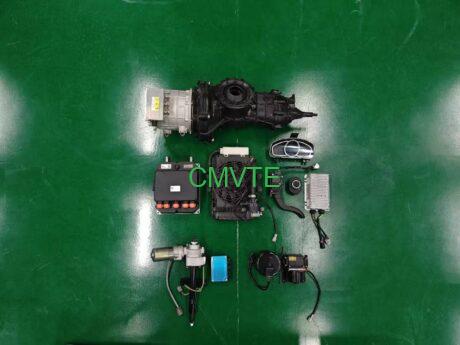
1. Use standardized conversion kits
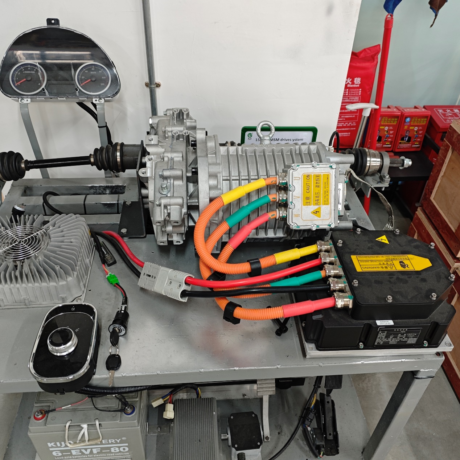
2. Choose reliable components
3. Work with experienced providers
👉 Reduces compliance risks
4. Keep all documentation
- Component specs
- Installation details
- System diagrams
Common Legal Mistakes to Avoid
Skipping documentation
👉 Leads to registration failure
Using incompatible components
👉 Causes safety issues
Ignoring inspection requirements
👉 Vehicle may be illegal on the road
Cost of Legal Compliance
Legal compliance may add extra costs:
- Inspection fees
- Certification costs
- Documentation processing
👉 Want to understand full conversion cost?Recommended reading on EV Conversion Cost in South Africa.
Is It Worth Converting Your Car to Electric in South Africa?
Yes — if done correctly.
Benefits include:
- Lower fuel costs
- Reduced emissions
- Long-term savings
👉 But legality is critical —
👉 A non-compliant EV conversion can cost more in the long run.
Legal EV Conversion vs DIY (Risk Comparison)
| Option | Legal Risk | Reliability | Approval Success |
|---|---|---|---|
| DIY Conversion | High | Variable | Low–Medium |
| Modular Kit | Low | High | High |
| Professional System | Lowest | Highest | Highest |
👉 Key takeaway:
A structured system significantly improves legal approval chances.
👉 You can read our complete EV system solution.
Get a Legal & Compliant EV Conversion Solution
If you’re planning to convert your vehicle, ensuring legal compliance should be your top priority.
👉 You can:
- Use a pre-configured EV conversion kit
- Choose compliant components
- Get support for documentation and system design
👉 Start with a solution designed for both performance and compliance.
Please feel free to contact us if you need assistance.

