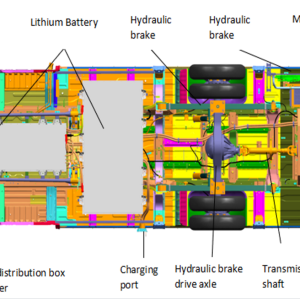
As electric vehicles continue to revolutionize transportation, Direct Current (DC) motors remain a crucial component in many EV applications. This comprehensive guide explores the types, applications, and technical specifications of DC motors in modern electric vehicles, with a focus on their advantages and evolving role in the EV industry.
Types of DC Motors in EVs
1. Brushed DC Motors
The simplest form of DC motors, using mechanical commutators and brushes:
- Advantages: Low cost, simple control
- Disadvantages: Brush wear, sparking, limited speed
- EV Applications: Early EVs, some low-speed vehicles
- Efficiency: 75-85%
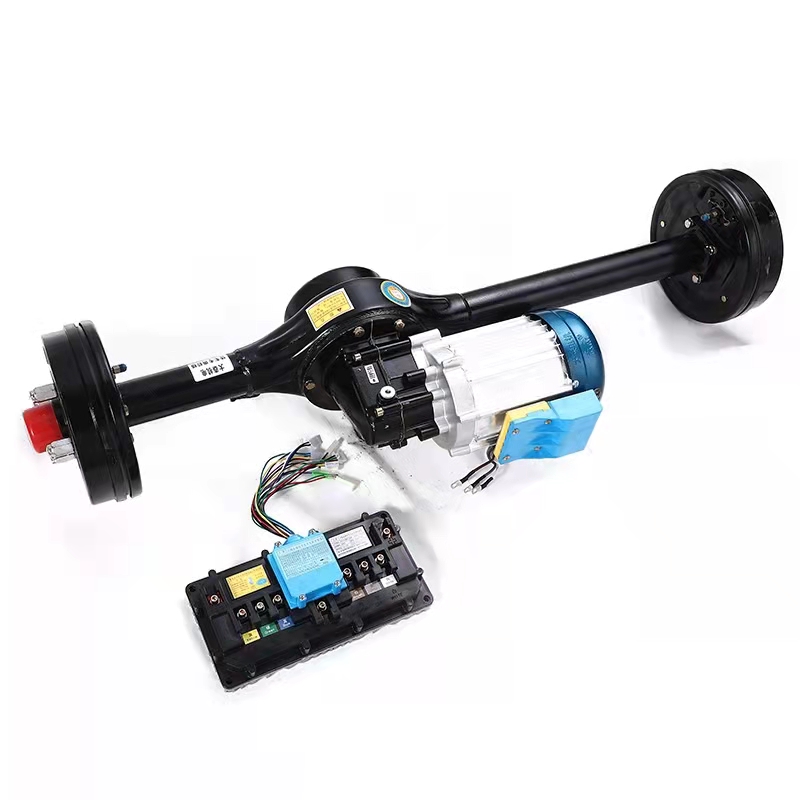
2. Brushless DC Motors (BLDC)
The most common DC motor type in modern EVs:
- Advantages: High efficiency, long lifespan, low maintenance
- Disadvantages: More complex controller required
- EV Applications: Main propulsion, auxiliary systems
- Efficiency: 85-95%
Industry Insight: BLDC motors dominate the EV market due to their superior reliability and performance. Their electronic commutation eliminates mechanical wear points, making them ideal for automotive applications.
3. Permanent Magnet DC Motors (PMDC)
Utilize permanent magnets rather than field windings:
- Advantages: High power density, simple construction
- Disadvantages: Limited field weakening capability
- EV Applications: Small to medium EVs, hybrid systems
- Efficiency: 80-92%

Technical Specifications
Power Parameters of EV DC Motors
| Parameter | Description |
|---|---|
| Power Rating | 1kW - 200kW+ depending on application |
| Torque Output | High torque at low RPMs for quick acceleration |
| Voltage Range | 48V - 800V depending on vehicle size |
| Efficiency | 85-95% for modern BLDC motors |
| Cooling | Air or liquid cooling for high-power applications |
Power Ranges by Vehicle Type
Light EVs (Under 10kW)
- E-bikes
- Scooters
- Golf carts
City EVs (10-50kW)
- Neighborhood EVs
- Micro cars
- Delivery vans
Passenger EVs (50-200kW)
- Compact cars
- SUVs
- Taxis
Performance EVs (200kW+)
- Luxury sedans
- Sports cars
- Commercial vehicles
Applications Beyond Propulsion

Steering Systems
Electric power steering pumps using high-efficiency BLDC motors
Climate Control
DC motors for HVAC blowers and compressor drives
Battery Cooling
Precision-controlled cooling fans for thermal management
Window/Seat Motors
Compact DC motors for comfort and convenience features
Advantages of DC Motors in EVs
Why Choose DC Motors?
- Simple Speed Control: Easy to vary speed with voltage changes
- High Starting Torque: Excellent for vehicle acceleration
- Compact Size: High power density for their size
- Cost-Effective: Generally less expensive than AC alternatives
- Reliability: Proven technology with long service life
Technical Note: While AC induction motors dominate in high-performance EVs, DC motors (particularly BLDC) remain popular for light EVs, commercial vehicles, and auxiliary systems due to their combination of performance, reliability, and cost-effectiveness.
Future Trends
Emerging DC Motor Technologies
- Higher Voltage Systems: 800V+ architectures for faster charging
- Integrated Motor-Controllers: Reduced size and complexity
- Advanced Materials: High-temperature magnets and windings
- Smart Motors: Built-in sensors and diagnostics
- Wireless Monitoring: Real-time performance tracking
Final Recommendation: When selecting a DC motor for EV applications, consider BLDC designs for most modern uses. Their superior efficiency, reliability, and maintenance-free operation make them the ideal choice for both propulsion and auxiliary systems in electric vehicles.