

Introduction
Choosing the best motor for EV conversion is one of the most important decisions in any electric vehicle build.
The motor affects not only acceleration and efficiency, but also packaging, controller compatibility, drivetrain design, and the overall driving experience. For many builders, the real challenge is not finding a motor, but making the right EV conversion motor selection for the vehicle platform, budget, and performance target.
Among the most common options, three motor types are discussed most often:
-
PMSM motors
-
BLDC motors
-
induction motors
Each has advantages and disadvantages. Some are better for efficiency and compact packaging, while others may be more attractive for cost control or specialized operating conditions.
If you want a broader overview of how these technologies fit into the wider EV drivetrain landscape, start with our complete guide to EV motor types here:
👉 https://cmvte.com/ev-motor-types-explained/
In this article, we will compare PMSM, BLDC, and induction motors for conversion use, explain the strengths of each option, and help you choose the best electric motor for EV conversion.
Why Motor Selection Matters in an EV Conversion
In a factory-built EV, the motor, controller, battery, and drivetrain are designed together from the beginning.
In a conversion project, that is usually not the case.
Instead, the builder must make a careful EV conversion motor selection based on:
-
vehicle weight
-
available installation space
-
intended driving conditions
-
battery voltage and current capability
-
cost and sourcing
-
controller integration
That means the “best” motor is not always the most powerful or the most advanced. The best motor is the one that fits the technical goals of the conversion.
The Main Motor Options for EV Conversion
When people search for the best motor for EV conversion, they are usually comparing three major technologies.
PMSM Motor
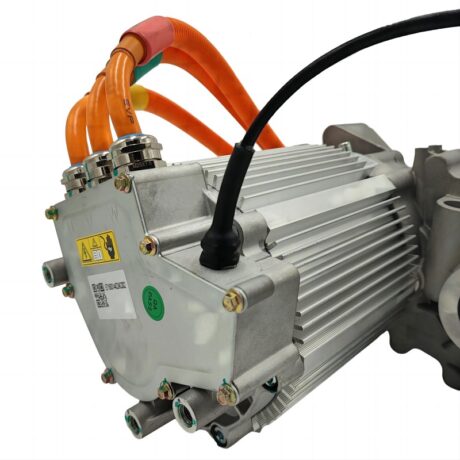
A Permanent Magnet Synchronous Motor (PMSM) uses permanent magnets in the rotor and is known for high efficiency, strong torque density, and smooth operation.
PMSM motors are now common in many modern EVs because they combine compact packaging with excellent real-world efficiency.
BLDC Motor
A Brushless DC Motor (BLDC) also uses permanent magnets, but typically relies on different control behavior and is often associated with simpler, lower-cost electric drive applications.
BLDC motors are frequently used in:
-
e-bikes
-
scooters
-
lightweight electric vehicles
-
smaller conversion projects
Induction Motor
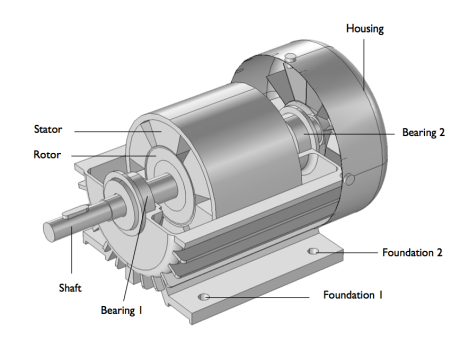
An induction motor uses electromagnetic induction rather than permanent magnets in the rotor.
This makes it attractive in some cases because it reduces dependence on magnet materials and can provide durable high-speed performance.
PMSM: The Leading Choice for Many EV Conversions
For many passenger-car conversion projects, PMSM is often considered the best motor for EV conversion.
Why PMSM Works Well
PMSM motors offer:
-
high efficiency
-
strong torque density
-
compact size
-
smooth low-speed drivability
-
strong real-world road performance
These advantages matter in conversions because packaging space is often limited, and battery energy must be used as efficiently as possible.
A motor that delivers better efficiency can improve usable driving range without increasing battery size.
Where PMSM Is Most Suitable
PMSM is often a strong fit for:
-
passenger cars
-
urban EV conversions
-
road-focused classic car conversions
-
projects where range and refinement matter
For a broader technical comparison of where PMSM fits among other motor technologies, see our main guide to EV motor types:
👉 https://cmvte.com/ev-motor-types-explained/
BLDC: A Simpler Option for Lightweight Projects
BLDC motors are still an important part of the conversion discussion, especially for smaller or lower-cost builds.
BLDC Advantages
BLDC motors may offer:
-
relatively simple system architecture
-
good efficiency
-
lower cost in some applications
-
easier use in smaller vehicles
Because of these characteristics, BLDC can be a practical electric motor for EV conversion when the vehicle is light and the performance target is modest.

BLDC Limitations in Larger Conversions
For full-size road vehicles, BLDC systems may be less attractive than PMSM because:
-
torque delivery may be less refined
-
high-load operation can be less ideal
-
some systems are better suited to lighter platforms
If you want a more detailed side-by-side comparison, read our full guide on
👉 https://cmvte.com/bldc-vs-pmsm-motor/
Induction Motor: Strong but Less Common in Typical Road Conversions
Induction motors are highly respected in EV engineering and have been used successfully in several high-profile EV platforms.
Induction Motor Advantages
Induction motors can offer:
-
no permanent magnets in the rotor
-
strong durability
-
good high-speed performance
-
reduced rare-earth material dependence
These features can make induction motors attractive in some special-purpose builds.
Why Induction Is Less Common in Many Conversions
For many road-car conversions, induction motors are less commonly selected because:
-
they may be less efficient than PMSM in typical driving conditions
-
packaging may be less favorable in some projects
-
the total system integration can be more demanding
To understand this comparison in more detail, see our article on
👉 https://cmvte.com/induction-motor-vs-pmsm/
Best Motor for EV Conversion: PMSM vs BLDC vs Induction
The real answer depends on the project.
Choose PMSM if you need:
-
the best balance of efficiency and performance
-
compact packaging
-
strong torque density
-
smooth road-driving behavior
-
a practical solution for passenger vehicles
Choose BLDC if you need:
-
a lower-cost solution
-
a motor for a lightweight EV platform
-
simpler system requirements
-
moderate performance goals
Choose Induction if you need:
-
a magnet-free rotor design
-
strong durability
-
good high-speed capability
-
a specialized solution for a custom build
For many builders, PMSM is the most practical answer to the question of the best motor for EV conversion, especially for road-going passenger vehicles.
EV Conversion Motor Selection: What You Should Evaluate
A smart EV conversion motor selection should never be based on motor type alone.
You should also evaluate:
-
vehicle curb weight
-
gearbox or direct-drive strategy
-
target top speed
-
required torque at launch
-
battery voltage
-
controller compatibility
-
thermal management
-
cost of the complete drivetrain system
The right motor must fit the whole system, not just the power target.
What About Axial Flux Motors?
Axial flux motors are becoming more visible in discussions about advanced EV powertrains, especially in high-performance applications.
They are known for:
-
very high power density
-
compact form factor
-
lightweight packaging potential
For now, axial flux motors are more relevant to specialized or performance-oriented applications than to mainstream conversions, but they are worth watching.
If you want to explore that topic in more detail, read our guide on
👉 https://cmvte.com/axial-flux-vs-pmsm-motor/
Which Motor Is Best for Different EV Conversion Scenarios?
Best for Passenger Car Conversion
PMSM
Because it offers strong efficiency, compact size, and smooth drivability.
Best for Lightweight or Budget Conversion
BLDC
Because it can be practical and cost-effective for smaller platforms.
Best for Specialized High-Speed or Magnet-Free Design
Induction Motor
Because it avoids permanent magnets and can perform well in demanding applications.
Best for Advanced High-Performance Experimental Projects
Axial Flux Motor
Because of its power density and packaging advantages, though it is not yet the mainstream choice for most conversions.
Quick Comparison Table
| Motor Type | Efficiency | Packaging | Cost | Best Use Case |
|---|---|---|---|---|
| PMSM | Very high | Compact | Medium to high | Passenger EV conversions |
| BLDC | High | Compact | Low to medium | Lightweight and budget builds |
| Induction | Good | Moderate | Medium | Specialized custom builds |
| Axial Flux | Very high potential | Very compact | High | High-performance EV projects |
Common Mistakes When Choosing an Electric Motor for EV Conversion
Many builders make the mistake of choosing a motor based only on headline power.
That can lead to problems such as:
-
poor low-speed drivability
-
inefficient battery use
-
controller mismatch
-
difficult installation
-
overheating under real road loads
The better approach is to choose the electric motor for EV conversion based on complete system matching.
FAQ
What is the best motor for EV conversion?
For many passenger vehicle conversions, PMSM is often the best motor because it offers a strong balance of efficiency, compact packaging, and torque performance.
What electric motor is commonly used for EV conversion?
PMSM and BLDC motors are both used in EV conversion projects, while induction motors are more common in specialized applications.
How do I choose an EV conversion motor?
A good EV conversion motor selection should consider vehicle weight, battery voltage, packaging space, torque needs, controller compatibility, and driving goals.
Is induction motor good for EV conversion?
Yes, but it is usually more suitable for specialized projects than for mainstream passenger-car conversions.
Conclusion
There is no single answer that fits every build, but for many real-world passenger vehicle projects, PMSM is often the best motor for EV conversion.
BLDC remains useful for lightweight and lower-cost conversions. Induction motors still have a place in specialized designs. Axial flux motors show exciting future potential, especially in performance EV systems.
The best result comes from matching the motor to the vehicle, the battery system, the packaging constraints, and the actual driving target.
If you want to understand how all of these motor technologies connect within the wider EV drivetrain ecosystem, start with our full guide to
👉 https://cmvte.com/ev-motor-types-explained/
