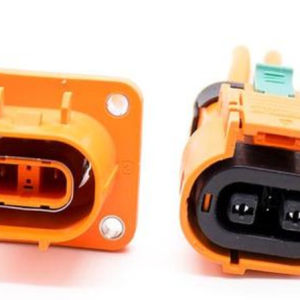
As the global energy structure transitions and environmental awareness increases, electrification has become an important trend in the transportation sector. Amidst the vigorous development of electric vehicles, the electrification of water transport vessels is also early results achieved globally, especially in inland and coastal transport, where electric vessels are favored for their zero emissions and low noise. Therefore, many vessel owners worldwide have considered and demanded the electrification of their ships.
Compared to purchasing electric vessels directly, retrofitting existing vessels with electric drives is undoubtedly a more economical approach.
Fortunately, the process of vessel electrification is orderly and transparent. Although it involves multiple technical details and steps, it is essentially achievable by the vessel owners themselves.
Below, I will introduce the basic ideas and steps for vessel oil-to-electric retrofitting, so readers can have a deeper understanding of the implementation of this new energy solution.
1. Power System Assessment
The first step in converting a vessel from an internal combustion engine to an electric motor drive is to assess the entire vessel’s parameters to determine the size of the motor needed to meet the vessel’s daily work and endurance requirements.
Collecting vessel information can be approached from two aspects: the vessel’s physical structure parameters and the original internal combustion engine parameters.
The basic structure parameters of a vessel include: recording the vessel’s length, width, draft, displacement, hull shape, and other basic information, which will affect the selection of the motor and the configuration and arrangement of the batteries.
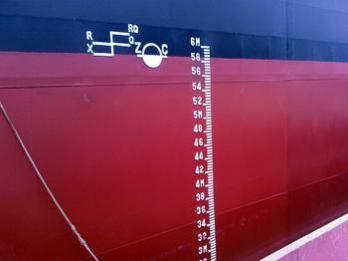
The waterline of a ship’s hull.
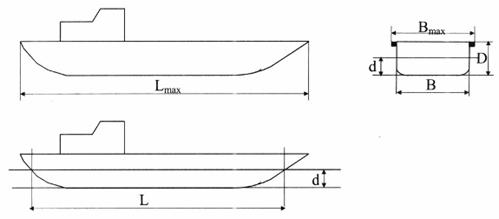
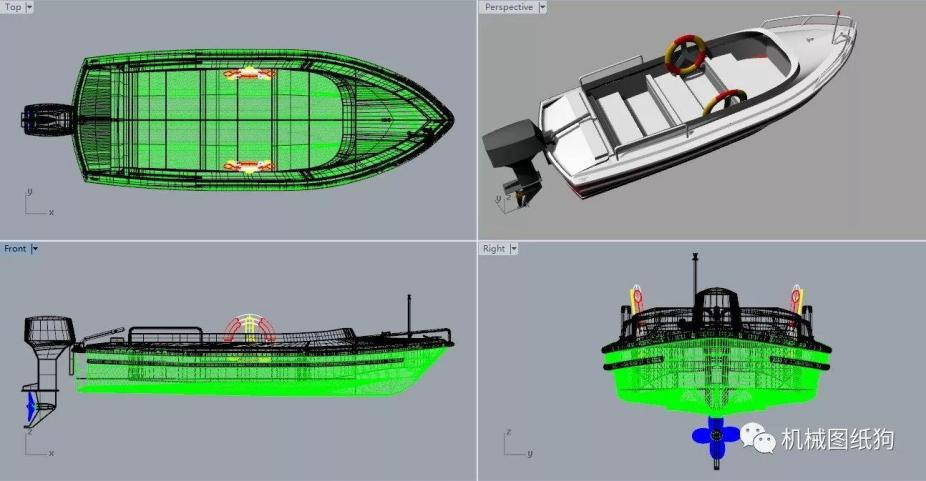
CAD files will be good for solution designing
Secondly, the selection of new power can refer to the parameters of the original internal combustion engine.
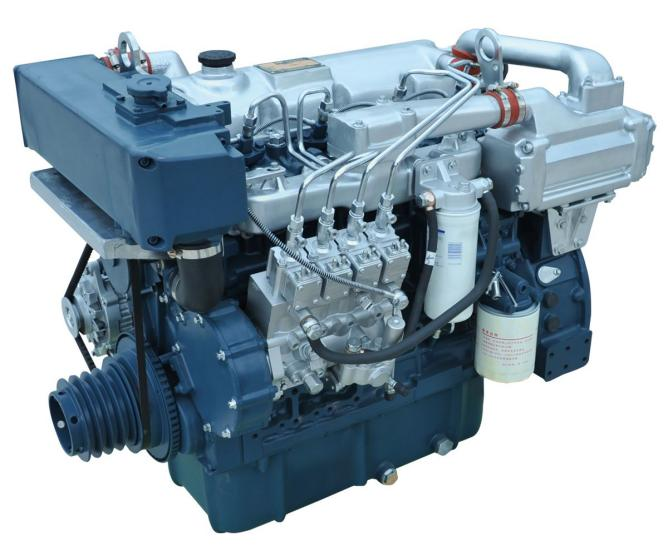
Yuchai diesel
For example, this is a Yuchai marine generator, with a rated power of 90kW (generally, the rated power of internal combustion engines is the maximum power). Then, when selecting the model, the power of the motor should generally not be less than 45kW.
2. Choosing the Right Motor Type:
In the first chapter, we determined the size of the motor based on the size, weight, and required power of the vessel. With the power determined, there are still some factors to consider: to use outboard motor or inboard motor.
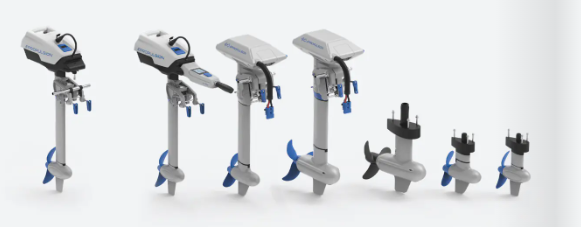
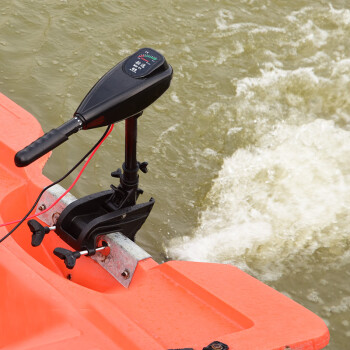
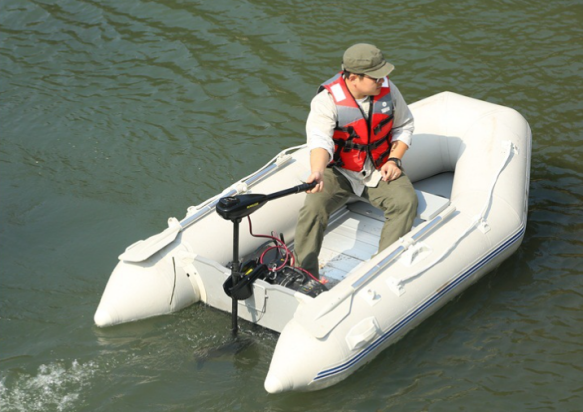
Generally, outboard motors (propellers) are suitable for smaller vessels, such as fishing boats or open recreational vessels.
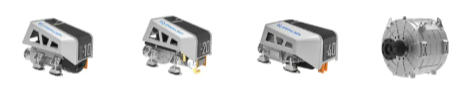
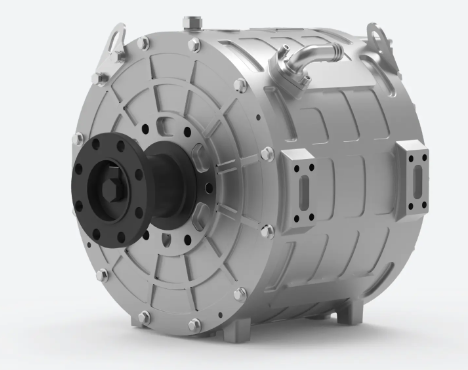
Inboard motors are suitable for larger vessels with more space, which is obvious.
3. Battery System Design
Selecting the right battery system is key, not only considering the type of battery (e.g., lithium battery) but also its capacity, power output, and range. It is also necessary to design a Battery Management System (BMS) to monitor the battery status and ensure safety.
Generally speaking, for a vessel equipped with a 10kW motor, if the vessel cruises at the rated power, a 10kWh battery can support its operation for 1 hour; if it travels at full power, the cruising time becomes 30 minutes. According to the customer’s endurance or working time requirements, the electric system provider can recommend a suitable battery solution based on this energy consumption calculation.
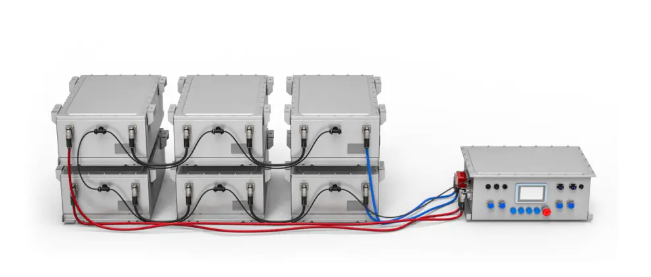
LiFePO4 battery packs
4. Power Transmission System
In the process of vessel oil-to-electric retrofitting, the original propeller and transmission shaft can be retained because the motor can directly replace the work of the internal combustion engine to drive the propeller. So, we only need to remove the original internal combustion engine and gearbox, and then fix the new motor with a coupling disk to basically complete the vessel’s oil-to-electric retrofitting.
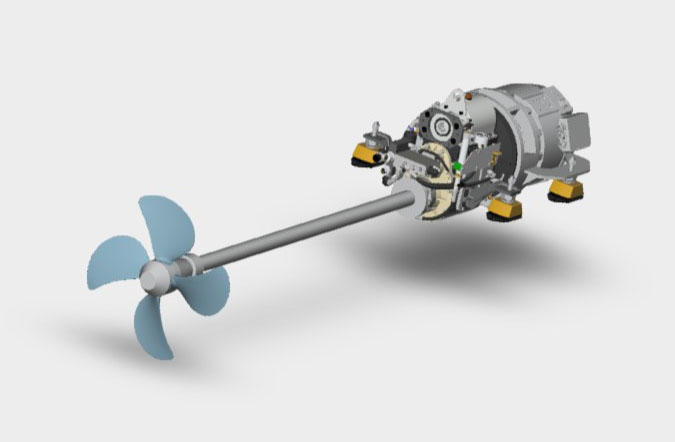
Inboard electric motor with propeller
However, one thing to note is that if the motor speed is too high and the torque is low, a reducer can be added to reduce speed and increase torque. The larger the reducer ratio, the stronger the increased torque, but the speed will decrease, which needs to be balanced according to the actual vessel type and requirements.
5. Cooling System
The installation environment for marine motors is generally enclosed, with poor ventilation, so for vessels that need to work for a long time, air-cooled motors are not a good choice – motor overheating or controller overheating will trigger system self-protection, which will limit power or cut off power, which is not good news for water operators.
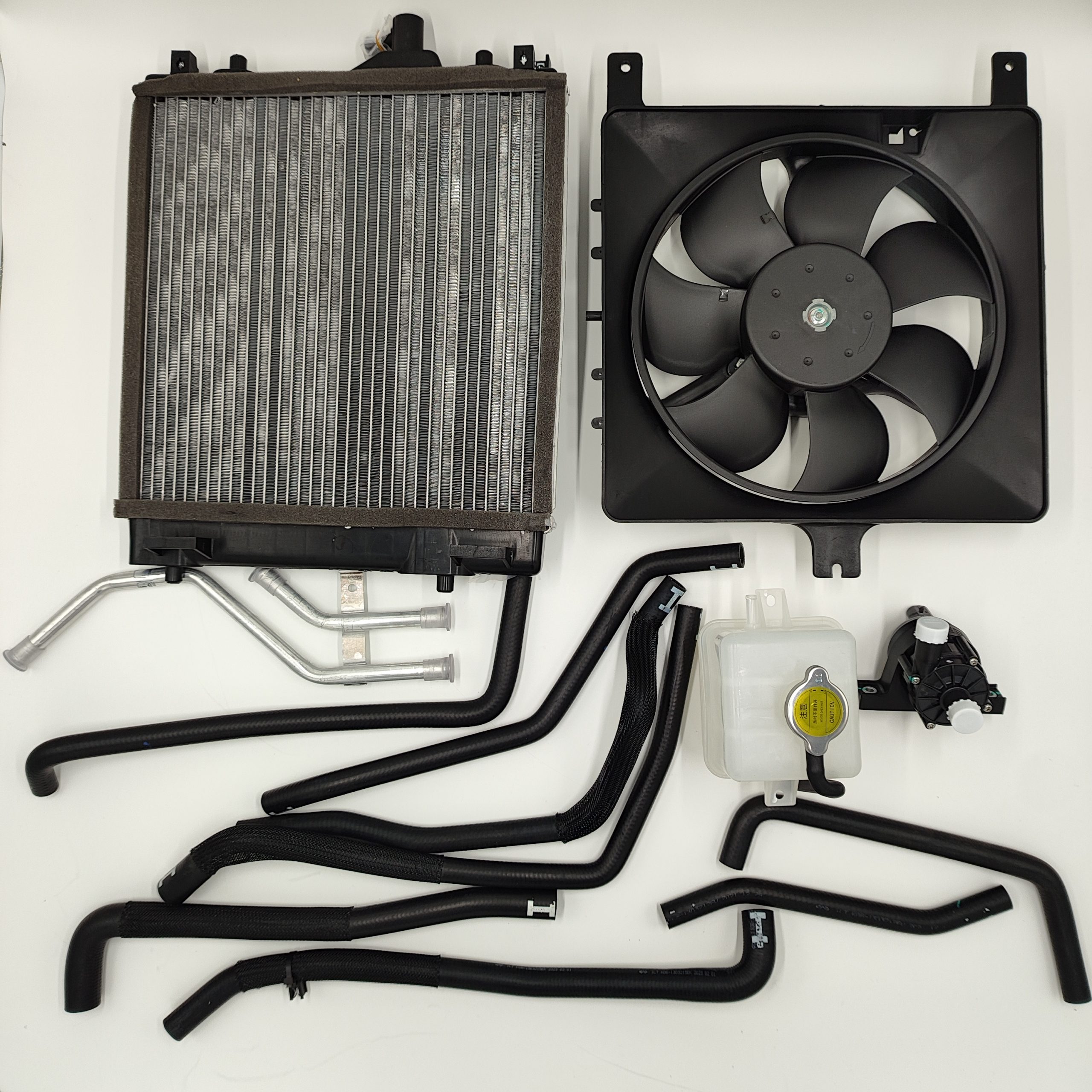
General liquid cooling system
Therefore, it is necessary to choose a cooling system according to the actual situation and vessel type. It is especially recommended to use a liquid cooling system for long-distance patrol vessels to ensure long-distance continuous work requirements.
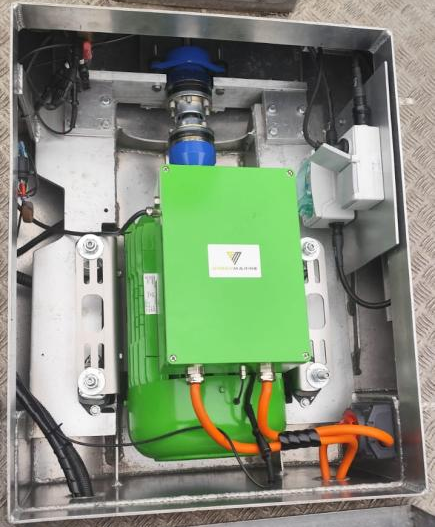
6. Integration and Installation.
a.Ensure that the motor, battery, and other key components are fixed in the right positions in the vessel, focusing on whether the system configuration will affect the vessel’s balance.
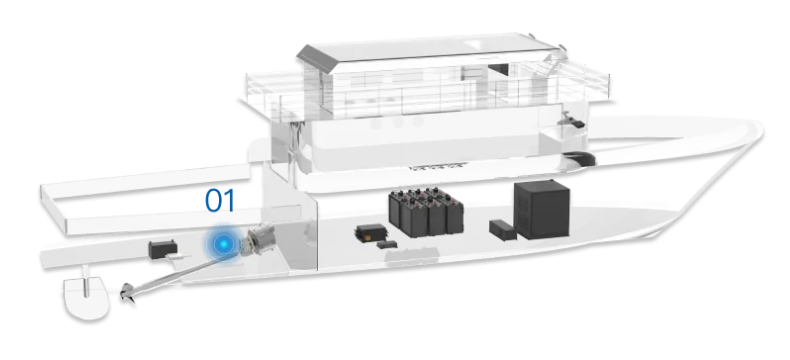
b. The connection between the motor and propeller generally requires a local mechanic to measure and customize a coupling disk.
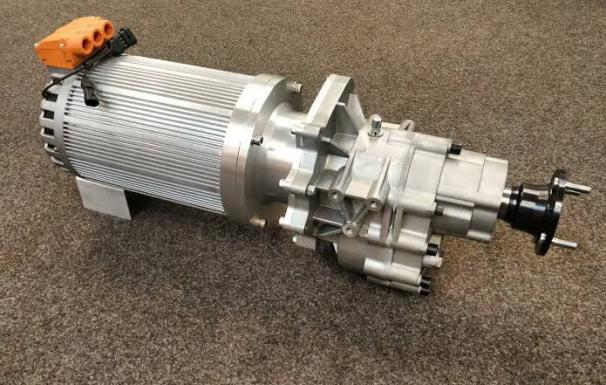
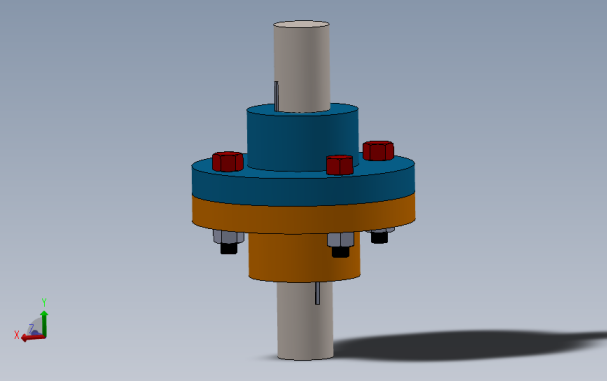
c. The layout and integration of the electrical and control systems should consider the length of the lines and the waterproofing of the connections and connectors.
d. Install necessary brackets to fix the motor and the entire transmission system.
7. Power Management
Power management refers to the allocation and integration of the vessel’s power system for other equipment power needs in addition to driving. For simpler power requirements, such as lights and horns, you can directly use a 12V or 24V DC converter to split the power from the battery system. If it is a medium to large yacht, various entertainment equipment generally requires high-voltage power support, which requires the battery system to have enough capacity and output settings. A relatively intelligent power management and distribution system can also better exert value.
8. Charging System:
According to the vessel’s operating mode, the ship owner can equip the corresponding charger.
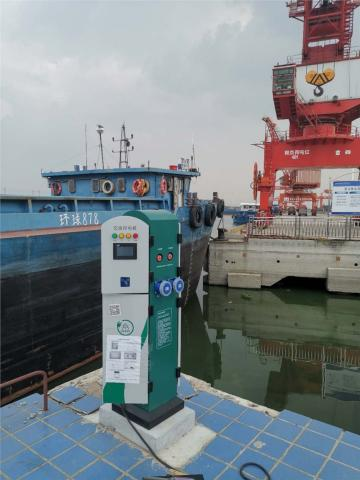
For vessels that dock for a short time, high-power fast-charging facilities may be needed, while those that dock for a long time can use slow charging. Installing charging piles near the dock is a common method of charging facility layout, of course, there must be a matching onboard charger in the vessel.
In addition, some vessels that travel far or dock less frequently can consider adding an onboard generator for autonomous power supplementation. In this case, the vessel’s power management system needs to be upgraded to handle power conversion.
9. Necessary Conversion Kits Accessories.
The above are some factors to consider for vessel oil-to-electric retrofitting. In summary, a complete set of marine oil-to-electric kits includes:
- Motor (undoubtedly)
- Controller, the brain of the motor
- Necessary high and low voltage cables
- Throttle, controlling forward, backward, and speed加减
- Battery system
- Charger
- DC converter
- Reducer (optional)
GMT is a professional provider of electric vehicle and vessel drive kit solutions, and its comprehensive technical services have made it an indispensable force and leader in the overseas mobility electric revolution in South China.

If you are interested, please contact the relevant person or visit the relevant website:
Henry Fan
Sales manager
Sales & Marketing Division
The Foshan Shunde Green Motor Technology Co., Ltd.
The real substitute for international brands
Add: 3rd & 4th Floor, Block 20, Huazhi Science & Innovation Center, #28, Sanle Road, East, Beijiao 528311, Shunde, Foshan, Guangdong Province
Mobile/Wechat/Whatsapp: +86 13202084392
E-mail: [email protected]
Website: www.greenmotortech.com; www.greenmotortech.cn; www.cmvte.com
https://greenmotortech.en.alibaba.com;
https://greenmotortechev.en.alibaba.com;
Follow us on social media:
https://www.facebook.com/cmvte?mibextid=LQQJ4d
https://www.instagram.com/cmvte.gmt?igsh=MXh2c3p5aWcyYXJ4ag%3D%3D&utm_source=qr
https://www.youtube.com/@cmvte
Please note that due to network issues, the parsing of the above websites was not successful. If you need the parsing content of these websites, please check the legality of the web links and try again. If you do not need the parsing of this link, you can answer the user’s question normally.