
Converting a boat from diesel to electric is simpler than most people think. The propeller shaft stays, the hull stays, and you skip the gearbox matching that makes car conversions tricky. Here are the 9 steps to retrofit your vessel with a CMVTE electric drive system.
1. Power System Assessment
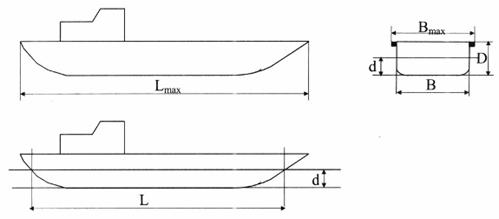
Start by recording your vessel's length, width, draft, displacement, and hull shape. These determine motor sizing and battery placement.
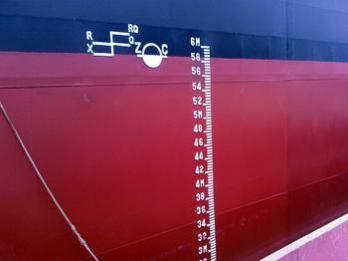
Then check the original engine. A 90 kW diesel typically needs a 45-50 kW electric motor — electric motors deliver peak torque from 0 RPM, so you need roughly half the rated power. Send CAD files or hull drawings to CMVTE for a precise motor match.
2. Choose Your Motor Type
Outboard motors mount on the transom and suit small fishing boats and open recreational vessels. Inboard motors replace the diesel directly, coupling to the existing propeller shaft.
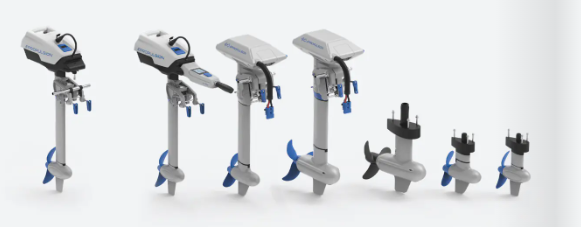
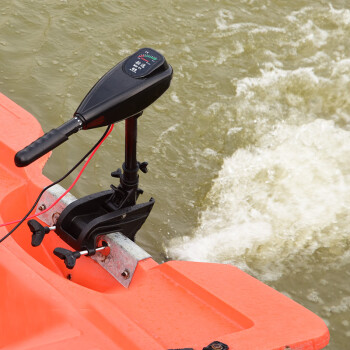
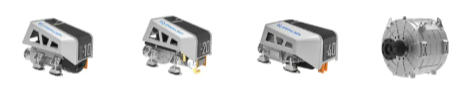
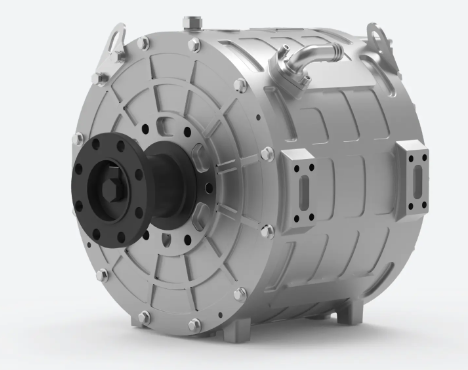
Inboard motors fit larger vessels with more engine room space. They connect to the shaft via a coupling disk and deliver better weight distribution.
| Boat Type | Motor Option | Power Range | Price |
|---|---|---|---|
| Small fishing boat, dinghy | Outboard PMSM | 5-15 kW | $2,000-$4,000 |
| Recreational cruiser | Inboard PMSM-25 | 25 kW / 45 kW peak | $3,500-$5,500 |
| Work boat, patrol | Inboard PMSM-50 | 50 kW / 80 kW peak | $5,500-$8,000 |
| Large commercial vessel | Inboard PMSM-80+ | 80 kW / 120 kW peak | $8,000-$12,000 |
3. Battery System Design
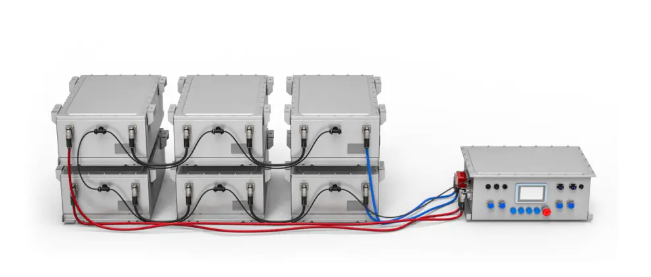
Battery capacity determines runtime. A 10 kW motor drawing full power uses 10 kWh per hour — for 4 hours, you need a 40 kWh pack. CMVTE LFP packs are modular: connect multiple 48V or 96V modules to reach your target voltage and capacity. Marine packs use IP67 enclosures with corrosion-resistant terminals.
| Runtime | Motor Power | Recommended Pack | Price |
|---|---|---|---|
| 2-3 hours | 10 kW | 48V 400Ah (19.2 kWh) | $5,000-$6,500 |
| 4-6 hours | 25 kW | 96V 400Ah (38.4 kWh) | $9,000-$12,000 |
| 6-8 hours | 50 kW | 144V 400Ah (57.6 kWh) | $14,000-$18,000 |
4. Power Transmission
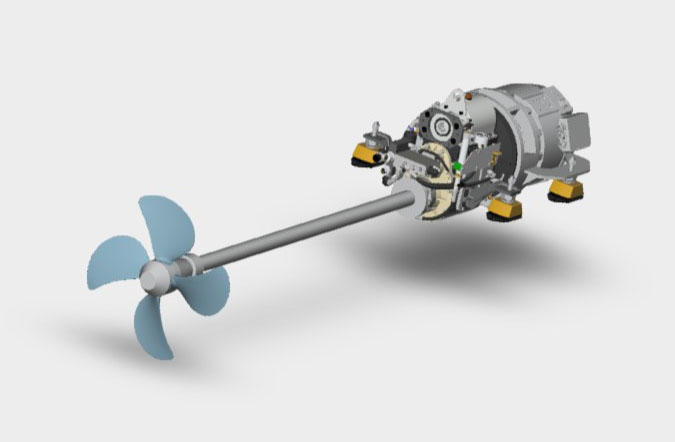
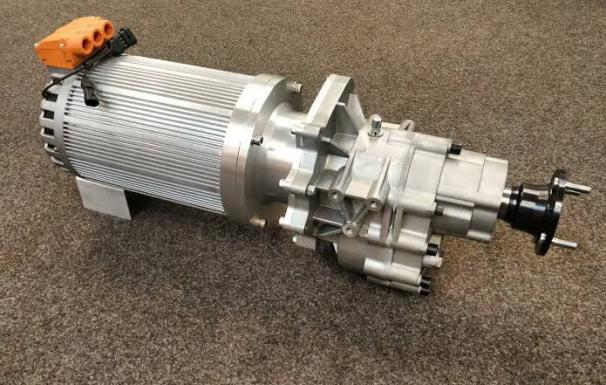
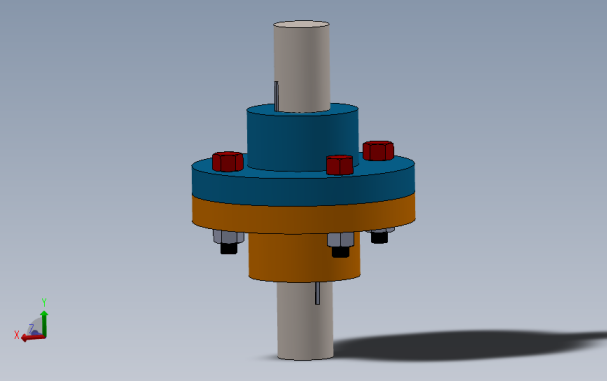
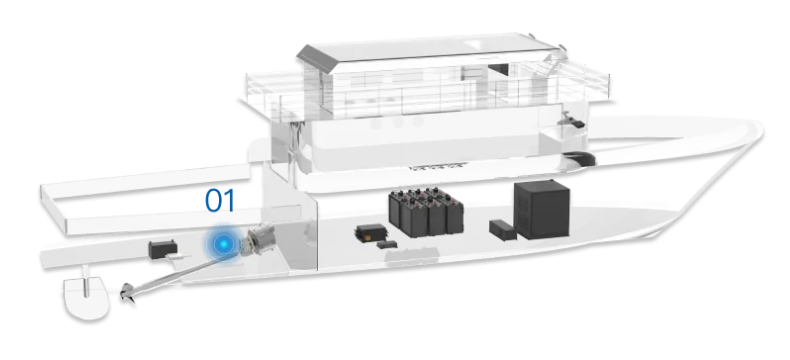
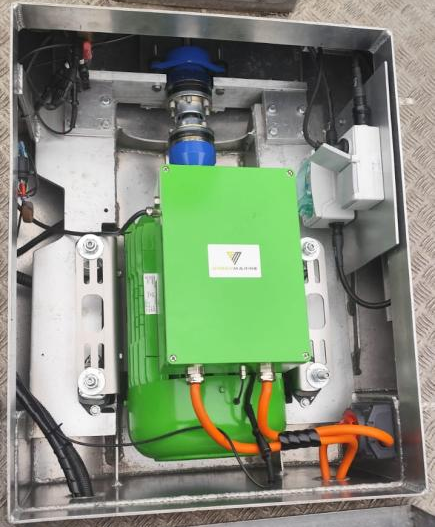
The original propeller and shaft stay. Remove the diesel engine and gearbox, then mount the electric motor in-line with the shaft using a custom coupling disk. If your motor runs at higher RPM than the original, add a reduction gearbox (2:1 or 3:1 ratio).
5. Cooling System
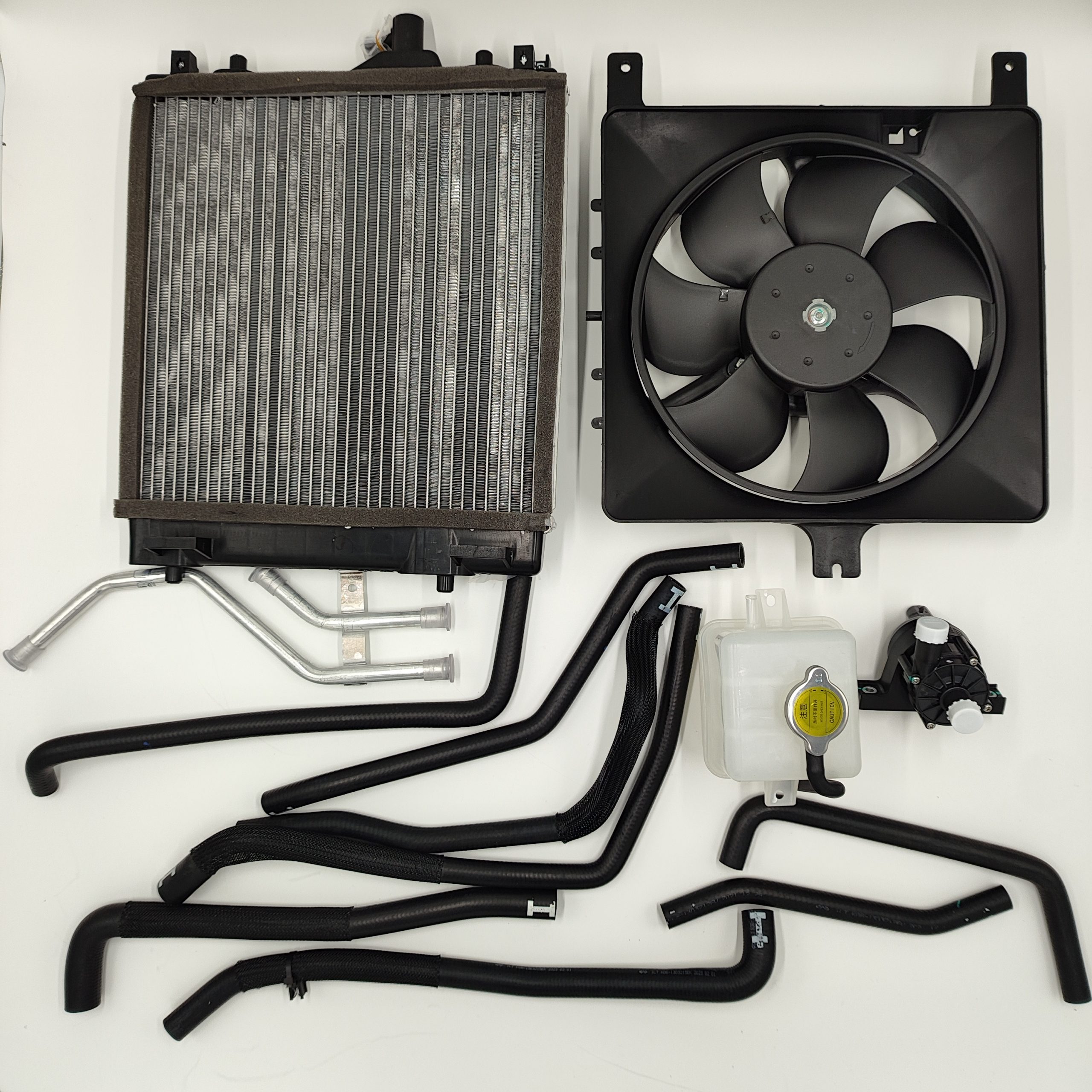
Marine motors run in enclosed compartments with poor airflow. Air-cooled motors risk overheating on long runs. CMVTE recommends water-cooled motors for all marine conversions — use a keel-cooler or raw-water heat exchanger sized for the motor's heat rejection (3-5 kW at full load).
6. Integration and Installation
- Bolt the motor to the original engine beds with custom brackets
- Position batteries low in the hull — replace removed diesel weight at the same center of gravity
- Use marine-grade tinned wiring for all connections
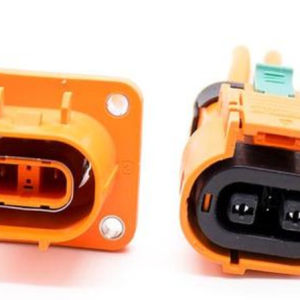
- Waterproof all HV connectors with IP67-rated glands
- Install a manual service disconnect for emergencies
7. Power Management
The DC-DC converter powers 12V or 24V house loads (lights, pumps, nav equipment) from the traction battery. CMVTE's 2.0 kW DC-DC handles most marine loads. For yachts with AC entertainment equipment, add a pure sine wave inverter.
8. Charging System
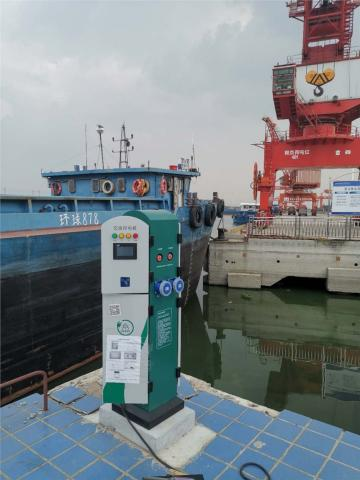
A 3.3 kW onboard charger adds roughly 15 km of range per hour. CMVTE also offers 6.6 kW and 10 kW chargers for faster turnaround. Install the charge inlet on the dock-side hull with a weatherproof cap. For vessels operating far from shore, add a small diesel generator (5-10 kW) as a range extender.
9. Complete CMVTE Marine Kit
- PMSM motor with marine-grade corrosion protection
- FOC controller with CAN bus
- LFP battery pack with IP67 BMS
- Onboard charger (3.3-10 kW)
- DC-DC converter (12V or 24V)
- Throttle with forward-reverse control
- HV cabling with marine connectors
- Coupling disk drawing matched to your shaft
- Reducer (optional)
Browse CMVTE marine conversion kits →
Get a Marine Conversion Quote
Send us your vessel specs — length, weight, original engine power, target runtime, and hull photos. We'll design the full system with a fixed price and shipping cost to your port.
WhatsApp / Phone: +86 181 2358 8272
Email: [email protected]
Mention "Marine Kit" for a vessel-specific proposal.