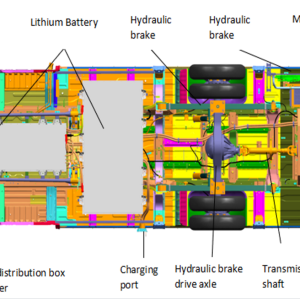
As the maritime industry sails toward a sustainable future, electric boat retrofit kits have emerged as a transformative solution for vessel owners worldwide. These innovative systems allow traditional boats to transition from fossil fuel dependence to clean electric power, offering significant environmental and operational advantages. This comprehensive guide explores the technology, benefits, and real-world applications of electric boat conversions.
Table of Contents
ToggleThe Rise of Electric Marine Propulsion
The global shift toward sustainable marine transportation is gaining momentum, driven by:
- Stringent emissions regulations in coastal and inland waterways
- Growing consumer demand for eco-friendly boating options
- Advancements in battery and electric motor technology
- Operational cost savings compared to diesel engines
- Government incentives for clean marine technologies
Industry Insight: The electric boat market is projected to grow at 12.5% CAGR through 2030, with retrofit kits playing a crucial role in converting existing fleets. Modern systems can now deliver 80-90% energy efficiency compared to 25-40% for diesel engines.
Core Components of Electric Boat Retrofit Kits
1. High-Capacity Marine Battery Systems
Modern lithium-ion battery packs (50-500 kWh) designed for marine use feature:
- Advanced thermal management for stable performance
- IP67 waterproof ratings for harsh marine environments
- Integrated battery management systems (BMS)
- Modular designs for flexible capacity
2. Electric Propulsion Systems
Marine electric motors offer distinct advantages:
- Instant torque for excellent acceleration
- 90-95% energy efficiency (vs. 35-45% for diesel)
- Minimal vibration and near-silent operation
- Reduced maintenance with no oil changes or filter replacements
3. Advanced Control Systems
Modern marine electric systems include:
- Precise throttle-by-wire controls
- Regenerative braking capabilities
- Integrated charging management
- Remote monitoring via mobile apps
Performance Comparison: Diesel vs Electric
| Parameter | Diesel Boat | Electric Conversion |
|---|---|---|
| Energy Efficiency | 25-40% | 80-90% |
| Fuel Cost (per nautical mile) | $0.35-$0.60 | $0.10-$0.25 |
| Maintenance Cost (annual) | $1,500-$4,000 | $300-$800 |
| Noise Level (dB at cruise) | 75-90 | 50-65 |
| CO2 Emissions (g/nm) | 1,200-2,000 | 0 (at point of use) |
Real-World Conversion Success Stories
Case Study: Lake Erie Electric Ferry Conversion
A 50-passenger ferry was converted from diesel to electric propulsion with impressive results:
- System: 250 kWh battery + 150 kW electric motor
- Range: 40 nautical miles at 8 knots
- Savings: $25,000/year in fuel costs
- Payback Period: 4.5 years
- Emission Reduction: 120 tons CO2 annually
Case Study: Luxury Yacht Conversion
A 60-foot motor yacht was successfully converted to hybrid electric:
- System: 180 kWh battery + twin 100 kW motors + solar panels
- Range: 80 nm electric-only, unlimited in hybrid mode
- Noise Reduction: 75% quieter at cruise
- Features: Silent overnight anchoring on battery power
Financial Considerations
Cost Breakdown for Typical Conversions
- Small Boats (under 30ft): $15,000-$35,000
- Mid-size Vessels (30-50ft): $40,000-$80,000
- Large Boats (50ft+): $100,000-$250,000
- Commercial Ferries: $300,000-$1M+
Note: Many regions offer 20-40% subsidies for commercial electric conversions.
Financial Tip: The business case improves dramatically for high-use vessels. A ferry operating 300 days/year can often recoup conversion costs in 3-5 years through fuel and maintenance savings alone.
Future of Electric Boat Technology
Exciting developments on the horizon include:
- Solid-state batteries: Potential for 2-3x energy density
- Hydrogen hybrid systems: Extending range for larger vessels
- Autonomous charging buoys: Mobile charging stations
- AI-powered energy management: Optimizing range and performance
Final Recommendation: Electric conversions make the most sense for vessels with predictable routes and access to charging infrastructure. As battery costs continue to fall (projected 40% reduction by 2030), electric propulsion will become the default choice for most marine applications.