

As cities worldwide strive for cleaner urban environments, Green Motor Technology (GMT) is leading the charge in converting traditional diesel-powered garbage trucks to fully electric operation. This comprehensive guide explores the technical and operational aspects of converting the Hyundai HD120 garbage truck, a workhorse in municipal waste collection, to clean electric propulsion.
Why Convert Garbage Trucks to Electric?
Environmental Benefits
- Zero tailpipe emissions
- Reduced noise pollution
- Cleaner air in urban areas
Operational Advantages
- 60-70% lower energy costs
- Reduced maintenance
- Regenerative braking benefits
Municipal Benefits
- Compliance with clean air regulations
- Improved public image
- Future-proof fleet
Industry Insight: Garbage trucks are ideal candidates for electrification due to their predictable routes, frequent stop-start operation (where electric excels), and operation in dense urban areas where emissions reduction is most valuable.
Conversion Overview
Base Vehicle Specifications
- Model: Hyundai HD120 garbage truck
- Drive: Rear wheel drive
- Dimensions: 9.5m × 2.2m × 2.5m
- Weight: 4.5 tons (empty), 12 tons (loaded)
- Original Engine: 5.9L turbocharged diesel
- Original Power: 225-250 hp
- Original Torque: 637-853 Nm

Electric Conversion Components
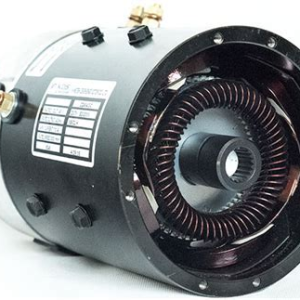
High-Torque Electric Motor
| Parameter | Specification |
|---|---|
| Rated Power | 120 kW |
| Peak Power | 240 kW |
| Rated Torque | 1,050 Nm |
| Peak Torque | 3,000 Nm |
| Cooling System | Liquid cooling |
| Protection Rating | IP67 |

Battery System
- Type: Lithium-ion with advanced thermal management
- Capacity: 300 kWh (customizable)
- Voltage: 576V nominal
- Range: Up to 250 km per charge
- Charging: DC fast charging (1-2 hours to 80%)
- Battery Life: 3,000+ cycles to 80% capacity
Conversion Process
Step-by-Step Conversion
- Assessment: Vehicle evaluation and system design
- Diesel System Removal: Engine, fuel system, exhaust
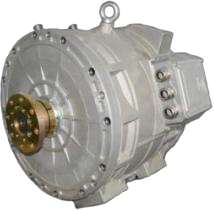
- Electric Motor Installation: Direct drive to rear axle
- Battery Pack Installation: Optimized weight distribution
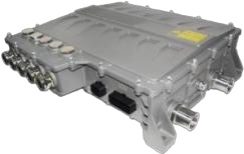
- Power Electronics Integration: Inverter, controllers, BMS
- Ancillary Systems Conversion: Electric power steering, HVAC
- Hydraulic System Adaptation: Electric pump for compactor
- Testing & Validation: Rigorous performance testing
Technical Note: GMT's approach removes both the original engine and transmission, implementing a direct drive system that simplifies mechanics while maintaining performance. The electric motor's wide torque curve eliminates the need for multiple gears.
Performance Comparison
| Parameter | Diesel HD120 | Electric Conversion |
|---|---|---|
| Energy Efficiency | 25-35% | 85-90% |
| Energy Cost (per km) | $0.45-$0.60 | $0.15-$0.25 |
| Maintenance Cost (annual) | $5,000-$8,000 | $1,500-$3,000 |
| Noise Level (dB) | 80-90 | 60-70 |
| CO2 Emissions | 1,500+ g/km | 0 (at point of use) |
Ancillary Systems Conversion
Power Steering
Hydraulic system replaced with electric power steering (EPS) drawing from main battery
HVAC System
Electric compressor and heat pump system for efficient climate control
Hydraulic System
Electric pump replaces engine-driven pump for garbage compactor operation
Braking System
Regenerative braking recovers up to 25% of energy during stops
Charging Infrastructure
Charging Solutions
- Depot Charging: 150 kW DC fast chargers at fleet parking
- Opportunity Charging: Mid-route fast charging during breaks
- Smart Charging: Scheduled charging during off-peak hours
- Battery Management: Advanced systems to optimize battery life
Operational Tip: With overnight charging and optional opportunity charging during lunch breaks, the converted HD120 can easily complete a full day's waste collection route on a single charge.

Financial Considerations
Cost Analysis
| Item | Cost |
|---|---|
| Base Conversion Cost | $120,000-$150,000 |
| Potential Subsidies | $30,000-$60,000 |
| Annual Fuel Savings | $15,000-$25,000 |
| Annual Maintenance Savings | $3,000-$5,000 |
| Typical Payback Period | 4-6 years |
Why Choose Green Motor Technology?
Proven Experience
12+ years specializing in commercial EV conversions
Custom Solutions
Tailored systems for specific municipal needs
Comprehensive Support
Full training and maintenance programs
Warranty Protection
2-year comprehensive system warranty
Final Recommendation: For municipalities looking to modernize their waste collection fleets, GMT's HD120 electric conversion offers a practical path to zero-emission operation with compelling financial returns. The technology is proven, the benefits are substantial, and the time for cleaner cities is now.