

Introduction
When comparing the most important electric vehicle motor types, one of the most common discussions is induction motor vs PMSM.
Both technologies have played a major role in the development of modern electric vehicles, but they differ significantly in efficiency, cost, materials, control strategy, and real-world vehicle applications. For EV manufacturers, engineers, and conversion specialists, understanding the difference between PMSM vs induction motor EV systems is essential for making the right drivetrain decision.
In this article, we will take a detailed look at induction motor vs PMSM, explain how each motor works, compare their strengths and weaknesses, and explore why some automakers have used induction motors while others prefer PMSM systems.
What Is an Induction Motor?
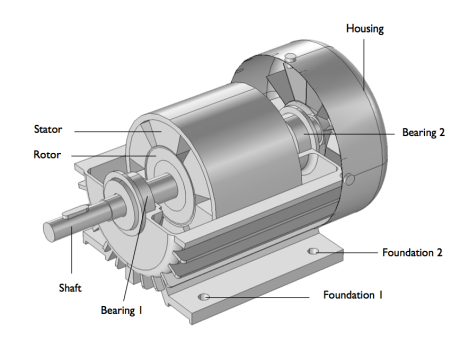
An induction motor, also known as an asynchronous motor, is an electric motor that operates without permanent magnets in the rotor.
Instead of relying on rotor magnets, the stator creates a rotating magnetic field, which induces current in the rotor. That induced current then generates torque.
This design gives induction motors several practical advantages, especially in industrial and automotive use.
Key Features of Induction Motors
-
no permanent magnets in the rotor
-
durable and robust design
-
lower dependence on rare earth materials
-
strong high-speed performance
Because induction motors avoid the use of permanent magnets, they are often seen as a cost-effective and material-flexible solution.
What Is a PMSM Motor?
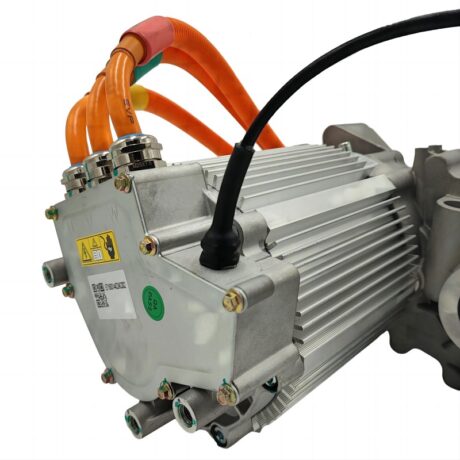
A Permanent Magnet Synchronous Motor (PMSM) uses permanent magnets inside or on the rotor to create a constant magnetic field. The stator’s rotating magnetic field interacts with these magnets and drives the rotor in sync.
PMSM motors are now widely used in modern EVs due to their high efficiency and strong torque density.
Key Features of PMSM Motors
-
high efficiency
-
compact design
-
excellent torque density
-
smooth low-speed and mid-speed performance
Because of these benefits, PMSM motors have become one of the most widely adopted solutions in passenger EVs.
Induction Motor vs PMSM: Core Working Difference
The most important difference in induction motor vs PMSM is how the rotor produces magnetic force.
Induction Motor
The rotor does not contain permanent magnets. Magnetic force is created indirectly through induced current.
PMSM
The rotor already contains permanent magnets, so the magnetic field is always present.
This design difference affects almost every aspect of vehicle performance, from efficiency to heat generation to manufacturing cost.
If you want a broader overview of how PMSM, BLDC, induction, and axial flux designs fit together, you can read our full guide to EV motor types here:
👉 https://cmvte.com/ev-motor-types-explained/
Induction Motor vs PMSM: Efficiency Comparison
Efficiency is one of the biggest decision factors in EV drivetrain design.
In most passenger EV applications, PMSM motors are more efficient than induction motors. This is because PMSM motors do not need to induce rotor current to create magnetic force, which reduces energy loss.
Induction motors, by comparison, typically experience more rotor losses, especially under certain load conditions.
Why PMSM Usually Wins on Efficiency
PMSM motors generally offer:
-
lower electrical losses
-
better energy conversion
-
improved range performance
For electric vehicles, better motor efficiency often means longer driving range from the same battery pack.
This is one of the biggest reasons why many automakers choose PMSM motors for mainstream EV platforms.
Induction Motor vs PMSM: Cost Comparison
When looking at induction motor vs PMSM, cost is more complicated than it first appears.
Induction Motor Cost Advantages
Induction motors avoid permanent magnets, which means they do not rely as heavily on rare earth materials. This can reduce material risk and sometimes reduce production cost, especially when magnet prices are high.
Advantages include:
-
no rare earth magnets
-
simpler rotor structure
-
good supply-chain flexibility
PMSM Cost Considerations
PMSM motors use permanent magnets, which can increase cost and expose manufacturers to fluctuations in magnet supply.
However, PMSM motors can improve system efficiency, which may reduce energy consumption over the life of the vehicle.
So from a total lifecycle perspective, PMSM can still be attractive even if the motor itself costs more upfront.
Induction Motor vs PMSM: Torque and Performance
Performance is another major factor in PMSM vs induction motor EV decisions.
PMSM Performance Strengths
PMSM motors are known for:
-
high torque density
-
strong low-speed response
-
smooth power delivery
-
excellent efficiency under daily driving conditions
This makes them ideal for passenger EVs that need strong acceleration and efficient city/highway driving.
Induction Motor Performance Strengths
Induction motors are known for:
-
strong durability
-
good high-speed operation
-
reliable performance under demanding conditions
They can be a very strong choice for performance-oriented systems or applications that prioritize robustness.
For readers who also want to compare PMSM with another major motor type, see our detailed guide on BLDC motor vs PMSM motor:
👉 https://cmvte.com/bldc-vs-pmsm-motor/
Tesla Induction Motor vs PMSM
One of the most searched questions in this topic is Tesla induction motor vs PMSM.
Tesla is a useful example because it has used both technologies in different models and drivetrain configurations.
Earlier Tesla vehicles became famous for using induction motors, especially in performance-focused applications. Induction motors offered strong power capability and durability, helping prove that EVs could be fast and practical.
Later, Tesla and other automakers increasingly adopted PMSM-based designs in many applications because of their higher efficiency and improved range performance.
This shift reflects a broader industry trend:
-
induction motors proved highly capable in EVs
-
PMSM motors became more attractive for efficiency-focused mainstream vehicles
So when people search for Tesla induction motor vs PMSM, the answer is not that one motor is universally better in every case. Instead, each has strengths depending on vehicle goals, cost targets, and efficiency priorities.
Which Motor Is Better for Electric Vehicles?
The answer to induction motor vs PMSM depends on what “better” means in the context of the vehicle.
PMSM Is Better If You Prioritize:
-
higher efficiency
-
longer driving range
-
compact packaging
-
strong low-speed torque
-
mainstream passenger EV use
Induction Motor Is Better If You Prioritize:
-
avoiding permanent magnets
-
material cost flexibility
-
robust high-speed performance
-
durable heavy-duty operation
For most modern passenger EVs, PMSM is often the preferred solution because efficiency is so important for range and energy use.
However, induction motors still remain highly relevant in the EV industry, especially in applications where robustness and magnet-free design are important.
PMSM is also increasingly compared with axial flux motor designs, especially in discussions about power density, compact packaging, and high-performance EV systems.
To explore that comparison further, read our guide on axial flux motor vs PMSM.
Induction Motor vs PMSM for EV Conversion Projects
For EV conversion projects, the choice between PMSM and induction motor depends on the vehicle platform, battery system, packaging space, and target performance.
In many conversion scenarios, PMSM motors are often preferred because they offer:
-
strong efficiency
-
compact size
-
easier packaging in smaller vehicles
-
better torque density for road cars
That said, induction motors may still be suitable in custom or specialized projects where high-speed durability or non-magnet design is a priority.
For readers making an actual drivetrain decision, comparing induction and PMSM is only one part of the process.
Our full guide to the best motor for EV conversion looks at PMSM, BLDC, induction, and application-based motor selection in one place.
Quick Comparison Table: Induction Motor vs PMSM
| Feature | Induction Motor | PMSM |
|---|---|---|
| Rotor Design | No permanent magnets | Uses permanent magnets |
| Efficiency | Good | Very high |
| Torque Density | Medium | High |
| Low-Speed Performance | Good | Excellent |
| High-Speed Performance | Strong | Strong |
| Material Dependency | Low rare earth dependence | Higher rare earth dependence |
| Typical EV Use | Performance or specialized EVs | Mainstream passenger EVs |
Why the Industry Is Moving Toward PMSM
Across the EV market, many automakers are prioritizing:
-
improved driving range
-
higher energy efficiency
-
lighter and more compact drivetrains
These goals naturally favor PMSM motors.
As battery cost, packaging, and efficiency become central to EV design, PMSM motors often provide the best balance for passenger vehicles.
This does not mean induction motors are outdated. It simply means the market is increasingly optimizing for efficiency, and PMSM fits that requirement very well.
FAQ
Which is more efficient, induction motor or PMSM?
In most electric vehicle applications, PMSM is more efficient than an induction motor because it has lower rotor losses and better energy conversion performance.
Why did Tesla use induction motors?
Tesla used induction motors in some vehicles because they offered strong performance, durability, and did not require permanent magnets.
Is PMSM better than induction motor for EVs?
For many passenger EVs, PMSM is often better due to higher efficiency, better torque density, and improved range performance. However, induction motors still have advantages in some use cases.
Which motor is better for EV conversion?
For many road-car EV conversions, PMSM is often the better choice because of compact size, efficiency, and strong torque output. The best choice still depends on the specific vehicle and conversion goals.
Conclusion
The debate around induction motor vs PMSM is really about trade-offs.
Induction motors offer durability, magnet-free rotor design, and strong performance in certain applications. PMSM motors offer better efficiency, higher torque density, and better suitability for many passenger EV platforms.
For most mainstream electric vehicles, PMSM has become the preferred option because efficiency and range are now top priorities. But induction motors still remain an important part of EV history and drivetrain engineering.
