

Converting a gasoline-powered vehicle to electric is a technically demanding project, but legal and safety compliance is the cornerstone of a successful, road-legal build. Non-compliance can result in fines, insurance voidance, or even vehicle impoundment. This guide breaks down global regulations, safety standards, and compliance workflows to ensure your EV conversion is both street-legal and future-proof.
1. Global Regulatory Framework: Navigating the Maze
Regulations for EV conversions vary by country, with strict requirements for safety, emissions, and electrical systems. Below are key frameworks for major regions:
1.1 United States
- Federal Standards (FMVSS No. 305a):
- Mandatory Compliance by:
- Light-duty vehicles: September 2027.
- Heavy-duty vehicles: September 2028.
- Key Requirements:
- Electrolyte Leakage Protection: Sealed battery enclosures to prevent chemical exposure.
- Emergency Response Documentation: Clear instructions for first responders (e.g., battery disconnection).
- High-Voltage Safety: Orange-colored cables with double insulation (per ISO 6469-3).
- State-Level Rules:
- California: Must meet CARB emissions standards.
- Texas: Requires post-conversion safety inspections.
1.2 United Kingdom
- DVSA Guidelines:
- MOT Test Requirements:
- Battery mounting must withstand 15G crash forces (per ISO 6469-1).
- Regenerative braking systems must integrate with ABS.
- Legal Modifications:
- Wheel upgrades must match original diameter.
- Engine swaps require IVA (Individual Vehicle Approval).
1.3 China
- SAMR Regulations:
- Conversions must be listed in the vehicle announcement catalog.
- Battery packs must pass GB/T 18386safety tests (e.g., thermal runaway resistance).
- Local Policies:
- Cities like Beijingrequire emissions-free certification and new energy vehicle license plates.
2. The Compliance Workflow: From Paperwork to Roadworthiness
A compliant conversion involves meticulous planning, documentation, and testing. Follow this step-by-step process:
2.1 Pre-Conversion Preparation
- Engineering Review:
- Submit conversion plans to a certified engineer(required in the EU and UK).
- Validate motor/controller/battery compatibility (e.g., 144V system for a 150kW PMSM motor).
- Insurance Update:
- Notify your insurer of the conversion; failure to do so may void coverage.
- Consider specialty EV insurance(e.g., Allianz’s “Green Car” policy).
2.2 Required Documentation
| Region | Key Documents |
| USA | FMVSS 305a compliance certificate, emergency response guide. |
| UK | MOT certificate, IVA test results. |
| China | SAMR catalog listing, battery safety report. |
2.3 Post-Conversion Inspections
- Electrical Safety:
- High-voltage systems must meet ISO 6469-3(insulation resistance >500 Ω/V under wet conditions).
- Crash Testing:
- Some jurisdictions require simulated collision tests (e.g., Euro NCAP in Europe).
- Reinforce chassis if converting heavy vehicles (e.g., 2015 Toyota Tundra).
3. Safety Standards: Protecting Drivers and First Responders
EV conversions must prioritize battery safety, electrical integrity, and emergency protocols to avoid hazards.
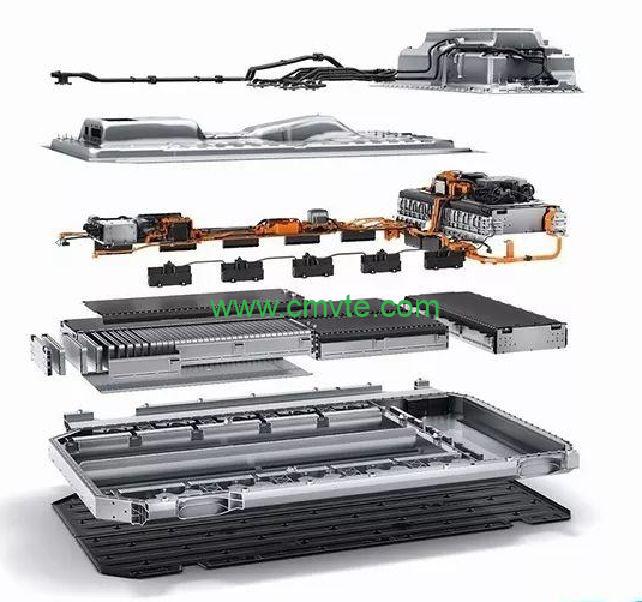
3.1 Battery Safety
- Enclosure Requirements:
- Crash-resistant battery boxes (UL 2580 certified).
- Liquid cooling mandatory for packs >40 kWh (e.g., 60 kWh CATL LiFePO4).
- Thermal Management:
- Active cooling systems for high-performance builds (e.g., Tesla-style liquid loops).
3.2 Electrical System Integrity
- Wiring Standards:
- Orange-colored high-voltage cables with double insulation (IEC 61851-1).
- Fuse ratings must exceed 125% of the motor’s peak current.
- Grounding:
- Bond all metal components to prevent stray currents (per NEC Article 690).
3.3 Emergency Protocols
- Kill Switches:
- Master disconnect switch within 1 meter of the driver (NFPA 70E).
- First Responder Guides:
- Provide printed manuals for battery disconnection (e.g., J1706 protocol).

4. Real-World Case Studies: Lessons from the Field
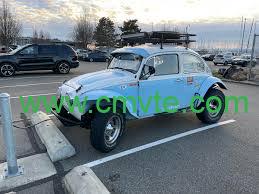
4.1 Classic Car Conversion: 1970 Volkswagen Beetle
- Challenges:
- Retrofitting a 30 kWh LiFePO4 pack into a compact chassis.
- Solutions:
- Custom battery trays with load-bearing brackets.
- Upgraded brake lines for regenerative braking integration.
- Compliance:
- Passed California CARB inspection after structural reinforcements.
4.2 Modern Truck Conversion: 2015 Toyota Tundra
- Challenges:
- Integrating a 150 kW AC motor with existing transmission.
- Solutions:
- Reinforced motor mounts and auxiliary cooling fans.
- Crash-tested for DOT heavy-duty standards.
- Compliance:
- Met FMVSS 305a requirements with 20% voltage headroom.
5. Common Pitfalls and How to Avoid Them
| Pitfall | Solution |
| Undocumented Modifications | Keep receipts for all parts and labor (e.g., Lixiang motor invoice). |
| Ignoring Local Rules | Check city-specific ordinances (e.g., NYC’s noise limits for EVs). |
| DIY Wiring Errors | Hire a certified electrician for high-voltage installations. |
6. Future-Proofing Your Build
Stay ahead of evolving regulations:
- EU Battery Recycling Mandates: By 2030, 70% of Li-ion materials must be recyclable.
- SiC Inverters: Reduce controller size and losses (already used in Tesla Model 3).
- Wireless BMS: Eliminates wiring complexity for modular battery packs.
Conclusion: Compliance as a Foundation, Not an Afterthought
Legal and safety compliance isn’t optional—it’s the foundation of a successful EV conversion. By understanding regional regulations, investing in certified components, and prioritizing rigorous testing, you’ll ensure your converted vehicle is both eco-friendly and road-legal.
Next Steps:
- Consult the FMVSS 305a guidelinesfor U.S. compliance.
- Join forums like EV Westor Electric GT to connect with fellow enthusiasts.
- Explore suppliers like CATL(LiFePO4 batteries) and NetGain Motors (AC/DC kits).


