

As global demand for low-cost electric transport grows, 72V brushless DC (BLDC) motor systems are a top pick for EV retrofitting. Unlike higher-voltage commercial EV platforms, 72V systems balance affordability, efficiency, safety, and installation flexibility—perfect for electric tricycles, low-speed four-wheelers, utility transporters, and pump-driven industrial equipment.
For vehicle makers, retrofit shops, and industrial equipment suppliers, switching fuel vehicles to electric isn’t just an environmental trend anymore—it’s a practical business move to cut operating costs, simplify maintenance, and meet new emission rules.
Why 72V Systems Are Popular in EV Retrofitting
72V is the point where you get excellent efficiency and performance without the steep costs and high-voltage safety protocols of 100V+ systems.
Excellent Performance “Out of the Box”
1-Speed: 72V allows a typical series-wound DC or AC motor to reach 4,000-6,000 RPM comfortably. This is perfect for matching to a stock car transmission and achieving 50-65 mph (80-105 km/h) – ideal for city and suburban driving.
2-Torque: Even at low RPMs, the higher voltage potential gives the controller more headroom to dump current to the motor for brisk acceleration from a stoplight.
“Safe Enough” Voltage
While 72V DC is still dangerous and deserves respect (it can cause severe shock/burns), it is not the extreme high voltage of OEM EVs (300V-800V).
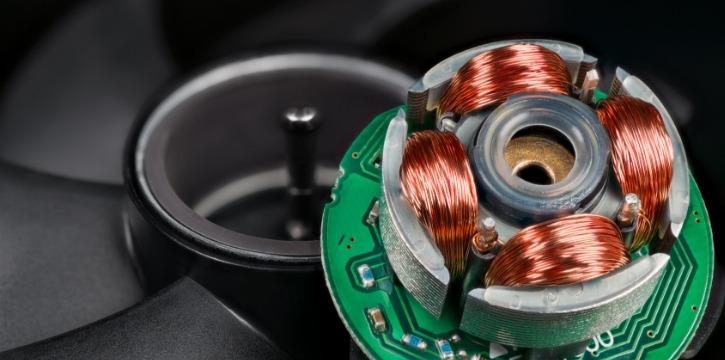
Advantages of Brushless DC Motors in Retrofitting Projects
Brushed motor efficiency: Typically 75-80% peak, dropping significantly at low or high RPM.
BLDC efficiency: Typically 85-92% peak, staying high across a wide RPM range.
BLDC motors have no brushes. No brush dust, no commutator wear, no spark erosion. In a retrofit, once the motor is installed, you can essentially forget about it for hundreds of thousands of miles. This is especially valuable in a classic car conversion, where you want reliability, not tinkering with brushes every year.
BLDC motors can deliver strong starting torque, which is critical for low-speed transportation vehicles carrying cargo or passengers.
Common Applications of 72V BLDC Motors
Small Passenger Car & Classic Car Retrofits
-
VW Beetle / Karmann Ghia – Very popular 72V BLDC conversion. Achieves 50-60 mph with decent acceleration.
-
Fiat 500 (classic) – Lightweight and aerodynamic enough for 72V.
-
Mini (classic Austin/Morris) – Another ideal candidate.
-
Small pickup trucks – e.g., early Datsun, Mazda, Ford Courier. 72V BLDC provides enough torque for moderate hauling.
-
MG Midget / Triumph Spitfire – Light roadsters are perfect.
Low-Speed Vehicles (LSVs)
Factory-made LSVs like the GEM (Global Electric Motorcars) , Club Car Villager, Star EV, and Tomberlin often use 72V systems, many now with BLDC motors.
Electric Motorcycles & Scooters
Scooters – Many higher-power scooters (e.g., NIU NQi GTS, some Vectrix models) use 72V. DIY retrofits of Vespas or Honda Elite 80s often go 72V BLDC.
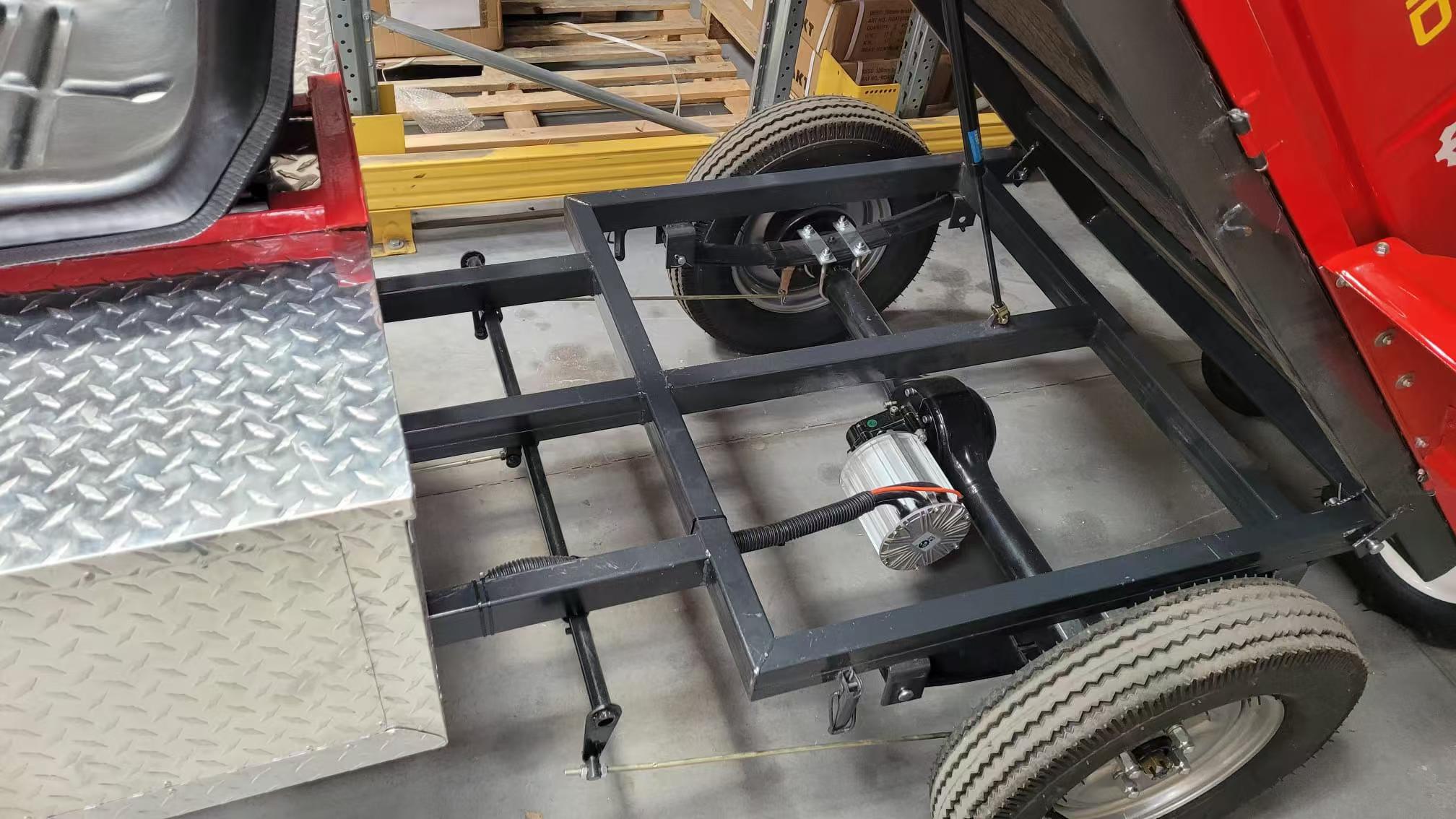
What is the complete 72V EV Retrofitting Solutions?
A professional 72V EV retrofitting solution may include:
BLDC motor system
Motor controller integration
Lithium battery matching
Wiring harness support
Vehicle adaptation engineering
Technical consultation
Software calibration
How to Choose the Right 72V BLDC Motor
ehicle Weight and Payload
Heavier vehicles require higher torque output and stronger thermal performance.
Controller Compatibility
Motor and controller matching directly affects system efficiency, acceleration smoothness, and reliability.


