

Two Paths to Electrification: Are You Choosing the Right One?
As fossil fuel vehicles are gradually phased out and electric vehicles become increasingly popular, more users face a crossroads: should I buy a new electric vehicle, or convert my existing gasoline car to electric?
Most people are familiar with buying new electric vehicles. However, as electric conversion technology matures and global conversion regulations are relaxed, EV conversions are rapidly emerging as a cost-effective, sustainable alternative, sparking worldwide attention and discussion.
This article comprehensively compares "conversion vs. new vehicle purchase" from aspects of cost, compatibility, environmental impact, and regulatory feasibility to help you determine which option is more economical and suitable for you.
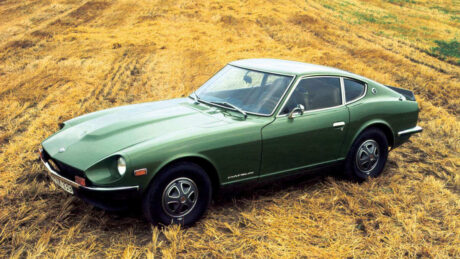
Standard Conversion Kits vs Custom Solutions
Standard Conversion Kits
Pre-configured complete solutions including core components such as motor, battery, controller, etc., optimized for specific vehicle models.
Custom Solutions
Tailor-made according to customer's special requirements, suitable for special vehicles or conversion projects with high-performance requirements.
| Comparison Dimension | Standard Kit | Custom Solution |
|---|---|---|
| Cost | $5,800-$7,500 | $8,500-$15,000+ |
| Delivery Time | 2-4 weeks | 6-12 weeks |
| Compatibility | Optimized for specific models | Adaptable to all vehicle types |
| Performance | Standardized performance output | Customizable power/torque curve |
| Technical Support | Standardized documentation support | Full technical guidance |
2025 Cost Detailed Analysis
Standard Conversion Kit Cost (Compact Car)
- Drive system: CMVTE 50kW motor + controller = $2,850
- Battery pack: 96V/144V lithium-ion system ≈ $1,800-$2,900
- BMS + CAN bus module: $480
- Wiring harness, motor mount, labor: $800-$1,100
- Compliance testing and certification: $180-$480
- Total: $6,110-$7,810
Custom Solution Cost
- Custom motor system: $4,500-$8,000
- High-performance battery pack: $3,500-$6,000
- Dedicated controller and wiring harness: $1,200-$2,500
- Engineering design fees: $1,000-$3,000
- Total: $9,200-$19,500
Return on Investment Analysis:
Standard Kit: Typically pays for itself in 2-3 years
Custom Solution: 3-5 years to recoup investment, but with superior performance
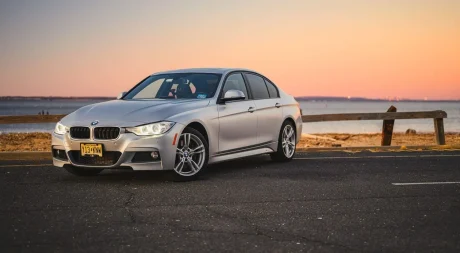
Application Scenarios Deep Analysis
Best Application Scenarios for Standard Kits
- Daily Commuter Vehicles: City driving, range requirement 150-200 km
- Commercial Fleet Operations: Batch conversions, need for unified standards
- Budget-Sensitive Projects: Cost control is a key consideration
CMVTE Standard Kit Compatible Model Expansion:
Toyota Corolla, Nissan Sylphy, Volkswagen Polo, Buick GL8, Wuling Hongguang, Honda Civic, Ford Focus
Best Application Scenarios for Custom Solutions
- High-Performance Vehicles: Track use or high-performance requirements
- Special Purpose Vehicles: RVs, ambulances, special operation vehicles
- Classic Car Conversions: Conversions that need to preserve original vehicle characteristics
- Commercial Special Requirements: Commercial vehicles with specific work cycles
2025 Technical Specifications Comparison
Motor Performance Comparison
| Parameter | Standard Kit | Custom Solution |
|---|---|---|
| Power Range | 50-100kW | 70-200kW+ |
| Peak Torque | 180-380Nm | 300-600Nm+ |
| Efficiency | 92-94% | 94-96% |
| Cooling System | Air cooling/basic liquid cooling | Advanced liquid cooling system |
Battery System Comparison
| Parameter | Standard Kit | Custom Solution |
|---|---|---|
| Energy Density | 140-160Wh/kg | 180-220Wh/kg |
| Cycle Life | 2,000 cycles | 3,000+ cycles |
| Charging Rate | 1-2C | 2-4C |
| Thermal Management | Passive cooling | Active liquid cooling system |
Environmental Impact and Sustainability
Carbon Footprint Analysis
According to the latest 2025 life cycle assessment data:
- Standard Conversion Kit: 45% less carbon emissions than new vehicle manufacturing
- Custom Solution: 35% less carbon emissions than new vehicle manufacturing
- New Electric Vehicle: Baseline comparison value
Material Utilization Efficiency
- Standard Kit: 85% standardized component utilization rate
- Custom Solution: 70% customized components, but better performance optimization

2025 Global Regulatory Compliance
Major Market Regulation Updates
- EU: New certification standards for converted vehicles effective from 2025
- USA: State regulations gradually unifying, 25 states have clarified conversion legality
- China: Pilot cities expanded to 50, simplified certification process
- UK: Green license plate program covers all compliant converted vehicles
CMVTE Compliance Assurance
- Complete EMC test reports
- Powertrain matching certification
- National level approval documents
- Support for access to major global markets
User Cases and Testimonials
Case 1: Urban Taxi Fleet
"Used CMVTE standard kits to convert 20 Corollas, each vehicle cost $7,200. Now operating costs per kilometer have decreased by 65%, and the investment was recovered in just 18 months."
Case 2: Personalized Classic Car Conversion
"My father's 1972 Mercedes was given new life through a custom solution. The 200kW system gives this classic car modern electric vehicle performance while preserving its classic appearance."
Case 3: Commercial Logistics Fleet
"Selected standard kits for a 50-vehicle logistics conversion project. Uniform specifications simplified maintenance, overall operating costs decreased by 40%."
Selection Guide and Recommendations
Recommended Scenarios for Standard Kits
- ✅ Budget-limited projects
- ✅ Need for quick delivery
- ✅ Standard model conversions
- ✅ Batch conversion projects
- ✅ Daily use requirements
Recommended Scenarios for Custom Solutions
- ✅ Special vehicle requirements
- ✅ High-performance requirements
- ✅ Classic vehicle preservation
- ✅ Special work cycles
- ✅ Projects with sufficient budget
2025 Technology Development Trends
Standard Kit Development Directions
- Shorter installation times (target completion within 24 hours)
- Higher compatibility (covering 95% of mainstream models)
- Intelligent self-diagnostic systems
Custom Solution Innovation Areas
- AI-optimized performance mapping
- Upgradable modular design
- Deep integration with V2G technology
Conclusion and Action Recommendations
Choose Standard Kit, if:
- Budget under $10,000
- Need to complete project quickly
- Converting standard models
- Focus on return on investment
Choose Custom Solution, if:
- Have special performance requirements
- Converting non-standard vehicles
- Sufficient budget and pursuit of optimal performance
- Relatively flexible project timeline
CMVTE provides comprehensive support - from initial solution consultation to final road legal certification, providing professional guidance for your EV conversion project.
Frequently Asked Questions
Standard kit conversions usually take 2-4 weeks for completion, while custom solutions can take 6-12 weeks depending on complexity.
Range depends on the battery capacity you choose. With modern lithium-ion batteries, you can achieve ranges comparable to many factory EVs, typically 150-300 miles depending on your configuration.
Yes, in most regions. Regulations vary by location, but most developed markets now have established processes for legal EV conversions. Our kits come with compliance documentation for major markets.
Most vehicles can be converted, but some are better candidates than others. Lighter vehicles with adequate space for batteries typically work best. We offer compatibility checks for all major vehicle models.
EV conversions require significantly less maintenance than gasoline vehicles. There are no oil changes, spark plugs, or exhaust systems to maintain. Primary maintenance involves brake fluid, tires, and occasional battery system checks.

