

A Customer's Real Question
A customer from the Netherlands emailed us last month with his 1974 VW T2 camper. He drove it every summer along the coast — slow, smoky, and increasingly expensive at the pump. He wanted to convert it to electric but had one burning question:
"I've picked my motor. I've picked my controller. But the battery — there are so many options and I don't want to make a mistake that costs me €5,000. What battery pack should I actually buy for my T2?"
He is not alone. The VW T2 is one of the most popular classic vehicles for EV conversion worldwide. Its flat floor, spacious rear compartment, and simple mechanical layout make it an ideal candidate. But the battery choice determines everything: range, weight distribution, charging speed, and whether your T2 still feels like a T2 after the conversion.
This guide answers the question — for the Dutch camper owner and for every T2 enthusiast planning the same journey.

Petrol to Electric: The Moment It All Changes
Before we dive into specs, watch this in your head for a moment:
A classic VW T2, faded blue paint, rumbles forward with the unmistakable air-cooled engine clatter and a puff of exhaust. The noise is iconic — but so is the fuel bill. As it crosses the center of the frame, the sound cuts. The smoke vanishes. The same van emerges on the other side — same paint, same round headlights, same soul — but now silent. Only the soft hum of tires on asphalt. Above it, a tagline fades in:
BORN FROM PETROL, POWERED BY ELECTRICITY.
That transition is not CGI. It is exactly what happens when you swap a T2's engine for an electric motor and a properly sized lithium battery pack. The battery is the invisible heart of that silence. Choose it right, and your T2 becomes a quiet, reliable daily driver. Choose it wrong, and you get range anxiety, charging headaches, and a van that sits in the garage more than it drives.
Step 1: How Much Range Do You Actually Need?
The first question is not "which battery" — it is "how do you use your T2?"
| Usage | Daily Distance | Recommended Range | Battery Size |
|---|---|---|---|
| City errands, coffee runs | 20-40 km | 80-100 km | 20-30 kWh |
| Weekend beach trips | 60-100 km | 120-160 km | 30-50 kWh |
| Cross-country road trips | 150-200 km | 200-250 km | 50-70 kWh |
Most classic VW T2 owners fall into the first two categories — the T2 was never a highway cruiser, and an electric conversion preserves its character as a relaxed, low-speed companion. A 30-50 kWh pack handles 95% of real-world T2 usage.
Step 2: LiFePO4 vs NMC — Which Chemistry for Your T2?
| Factor | LiFePO4 (LFP) | NMC |
|---|---|---|
| Safety | Excellent — no thermal runaway | Moderate — can go into thermal runaway if damaged |
| Cycle life | 3,000-5,000+ cycles | 1,000-2,000 cycles |
| Energy density | 90-160 Wh/kg | 150-250 Wh/kg |
| Cost | Lower | Higher |
| Cold weather performance | Good with heating pads | Better naturally |
| Best for | Classic conversions, daily drivers | Lightweight sports cars, maximum range builds |

For a VW T2: LiFePO4 is the clear winner. You do not need the extra energy density of NMC — the T2 has plenty of space for a larger LFP pack. And in a vehicle that is already 50 years old, the superior safety of LFP chemistry is non-negotiable. CMVTE's LFP battery packs come with integrated BMS, CAN bus communication, and are available in custom shapes to fit your T2's exact floor plan.
Step 3: Voltage & Capacity — Matching Motor to Battery
Your battery voltage must match your motor controller. For VW T2 conversions, two voltage platforms dominate:
| Voltage | Motor Power Range | Best For |
|---|---|---|
| 96V | 10-20 kW motors | City driving, flat terrain, lighter builds |
| 144V | 25-40 kW motors | Hill country, full camper loads, motorway capable |
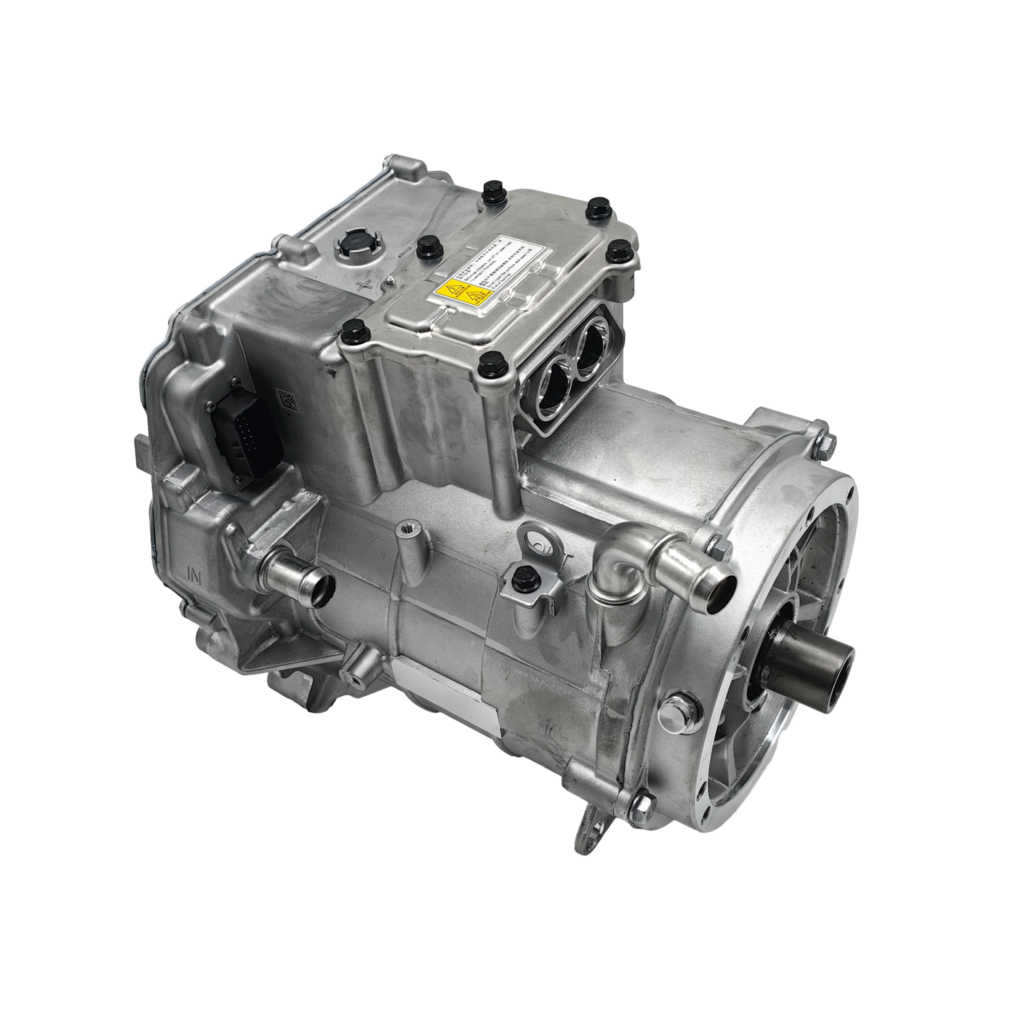
The original air-cooled T2 engine produced about 35-50 kW (47-67 HP). A 96V 15kW motor with the instant torque of electric drive feels stronger than the original engine at low speeds. But if you plan to carry four passengers and camping gear up mountain passes, step up to a 144V system. CMVTE offers matched motor + controller + battery packages for both platforms.
Step 4: Where Does the Battery Go? Space Planning for the T2
The VW T2's greatest gift to EV converters: a flat floor and a cavernous rear. Unlike modern cars with irregular chassis shapes, the T2 offers straightforward battery placement options:
| Location | Pros | Cons |
|---|---|---|
| Under the rear bench seat | Close to motor, short cable runs | Height limited (~25-30 cm) |
| In the engine bay (with motor) | All drivetrain in one place | Tight fit with large motors |
| Under the floor, between frame rails | Low center of gravity, no cargo space lost | Requires custom mounting brackets |
| Split: front + rear packs | Weight distribution, modular | More wiring, more BMS complexity |
Most successful T2 conversions use a split-pack configuration — a primary pack where the engine used to be, and a secondary pack under the rear seat area. CMVTE can custom-design battery enclosures to match your T2's exact measurements. Send us your dimensions for a free fitment assessment.
CMVTE Recommended Battery Configurations for VW T2
| Configuration | Voltage | Capacity | Range | Includes | Link |
|---|---|---|---|---|---|
| Weekend Cruiser | 96V | 100Ah (9.6 kWh) | 60-80 km | Battery + BMS + CAN display | View |
| Coastal Explorer | 96V | 200Ah (19.2 kWh) | 120-160 km | Battery + BMS + CAN + charger | View |
| Full Camper | 144V | 150Ah (21.6 kWh) | 130-180 km | Battery + BMS + CAN + charger + DC-DC | View |
| Custom Build | Your spec | Your spec | Your range | Full consultation + design | Contact us |
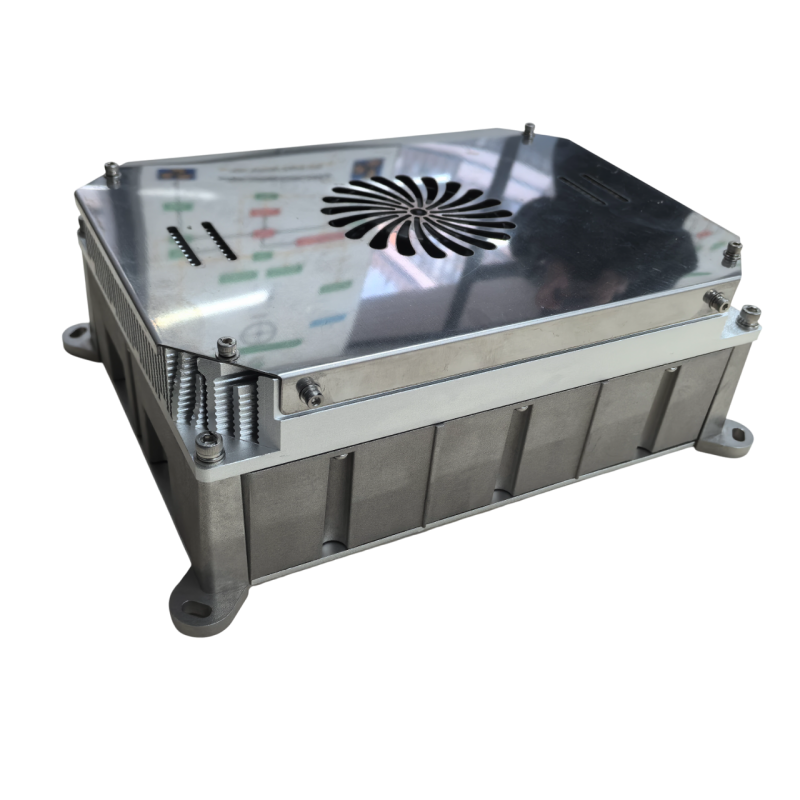
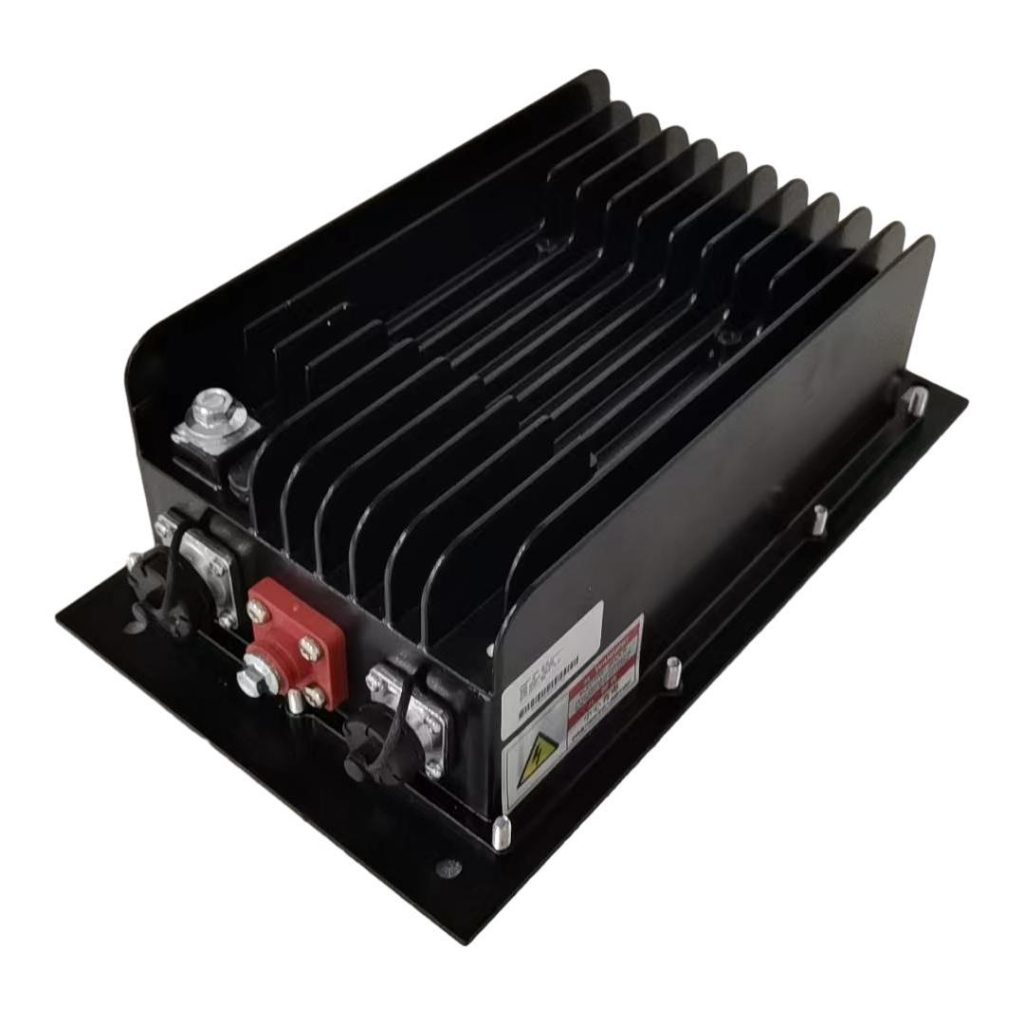
Every pack includes a smart on-board charger, and we recommend pairing with a DC-DC converter to power your T2's original 12V lights and accessories.
FAQ
Can I keep the original look of my T2 after conversion?
Absolutely. The external appearance does not change. The charging port can be hidden behind the original fuel flap. The dashboard can retain its classic gauges with a discreet digital SOC meter added.
How long does a T2 electric conversion take?
With a complete CMVTE kit, a professional mechanic can complete the conversion in 5-7 working days. DIY builders typically take 3-6 weeks.
What happens to the resale value?
A professionally converted electric T2 typically holds or increases its value compared to a petrol version, especially in markets with emissions restrictions or high fuel costs.
Will my T2 still feel like a T2?
The ride height, suspension, and steering remain unchanged. The only difference: you hear the wind and the birds instead of the engine. Most owners say it makes the T2 experience better, not different.
Do you ship battery packs internationally?
Yes. We ship lithium battery packs worldwide via DHL and sea freight with full dangerous goods (UN38.3) certification and customs documentation.
What warranty do you offer?
3 years on battery packs, 1 year on chargers and accessories. We use only automotive-grade cells from EVE and Gotion — never recycled or generic cells.
Ready to Start Your T2 Conversion?
Tell us about your T2 — year, model (panel van / camper / microbus), and how you plan to use it. We will send back a complete battery configuration recommendation with range estimates, pricing, and a fitment diagram for your specific vehicle.
Email us at [email protected] | WhatsApp: +86 181 2358 8272
Mention "VW T2 Battery" and include a photo of your van. We respond within 24 hours.
Based on the original CMVTE guide, expanded with real customer cases and practical installation experience. By Kevin Wang, CEO of Green Motor Technology (GMT). Visit cmvte.com for our full product range.

