

Introduction
Electric vehicles are powered by advanced electric drivetrain systems, and at the center of these systems lies one of the most critical components: the electric motor.
Understanding EV motor types is essential for engineers, EV manufacturers, and companies working in electric vehicle conversion technology.
Unlike internal combustion engines, electric motors deliver instant torque, high efficiency, and fewer mechanical components. However, not all motors are the same. Different electric vehicle motor types offer different advantages in efficiency, torque output, cost, and reliability.
Today, the most common EV motor technologies include:
-
Permanent Magnet Synchronous Motor (PMSM)
-
Brushless DC Motor (BLDC)
-
Induction Motor
-
Axial Flux Motor
These motors are widely used across modern electric vehicles and EV conversion systems.
This guide explains how each motor works and how they compare in electric vehicle applications.
Why Electric Motor Choice Matters in EV Systems
Selecting the right electric motor directly affects:
-
vehicle acceleration
-
energy efficiency
-
driving range
-
drivetrain reliability
For example, a high-efficiency motor can significantly extend the driving range of an EV.
In EV conversion projects, choosing the correct motor is even more important because the motor must match the vehicle’s weight, drivetrain configuration, and battery capacity.
Many companies now offer integrated electric conversion solutions that combine motors, controllers, and battery systems into optimized EV drivetrains.
These integrated systems simplify the process of electrifying traditional petrol vehicles.
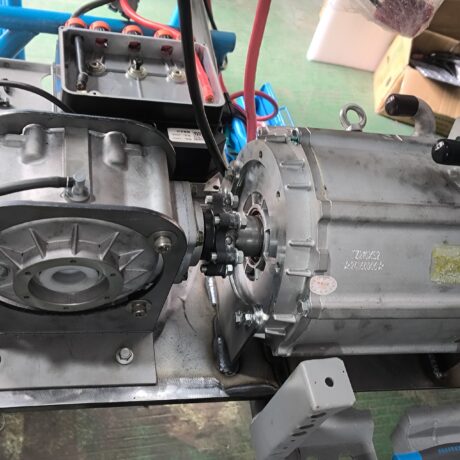
Main Types of Electric Motors Used in Electric Vehicles
Although dozens of electric motor designs exist, four technologies dominate the EV industry.
These include PMSM motors, BLDC motors, induction motors, and axial flux motors.
Each motor type offers different advantages depending on the vehicle application.
While PMSM and BLDC motors are both widely used in electric vehicles, many readers want to understand the exact differences between them.
If you’re comparing these two technologies in detail, you can read our full guide on BLDC motor vs PMSM motor,where we break down efficiency, control methods, and real-world EV applications.
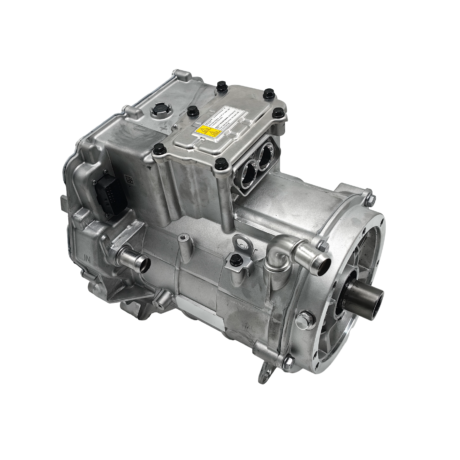
Permanent Magnet Synchronous Motor (PMSM)
The Permanent Magnet Synchronous Motor is one of the most widely used motors in modern electric vehicles.
PMSM motors use powerful permanent magnets embedded in the rotor to generate a strong magnetic field that interacts with stator windings.
Advantages of PMSM Motors
PMSM motors offer several major advantages:
-
very high efficiency
-
high torque density
-
compact size
-
smooth operation
Because of these characteristics, PMSM motors are commonly used in passenger EVs and performance electric vehicles.
Why PMSM Dominates the EV Industry
High efficiency means the motor converts more electrical energy into mechanical power.
This results in:
-
longer driving range
-
lower energy consumption
-
improved vehicle performance
For these reasons, PMSM motors have become one of the most popular EV motor types used globally.
Brushless DC Motor (BLDC)
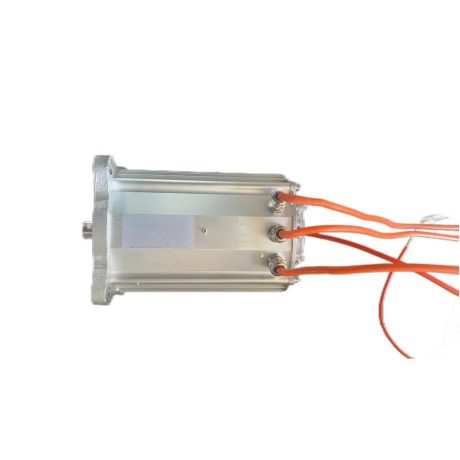
BLDC motors are another important category of electric vehicle motors.
They operate using permanent magnets and electronic commutation rather than mechanical brushes.
Key Benefits
BLDC motors offer:
-
reliable performance
-
high efficiency
-
relatively simple control systems
-
lower manufacturing costs
These motors are commonly used in smaller electric vehicles such as:
-
electric scooters
-
electric motorcycles
-
lightweight EVs
BLDC motors are also used in some EV conversion projects, particularly when cost efficiency is important.
Induction Motor
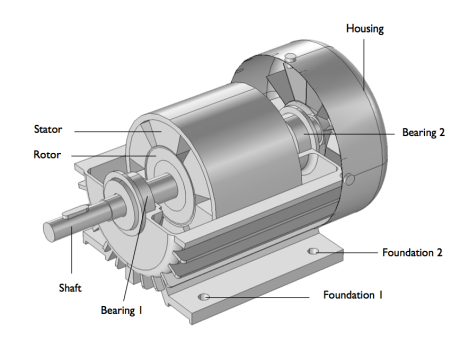
Induction motors represent another major type of electric motor used in EVs.
Unlike PMSM motors, induction motors do not rely on permanent magnets.
Instead, the rotor receives energy through electromagnetic induction.
Advantages of Induction Motors
Induction motors offer several advantages:
-
durable design
-
lower cost materials
-
strong high-speed performance
-
reliable long-term operation
These motors are well suited for high-performance vehicles and heavy-duty electric drivetrain systems.
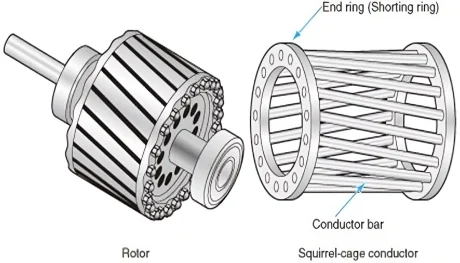
Among all EV motor comparisons, one of the most important is the difference between induction motors and PMSM motors.
If you want a deeper look at efficiency, cost, torque characteristics, and real-world EV use cases, read our full guide on induction motor vs PMSM
Axial Flux Motor
Axial flux motors represent an emerging motor technology gaining attention in the EV industry.
Unlike traditional radial motors, axial flux motors generate magnetic flux parallel to the motor shaft.
Key Characteristics
Axial flux motors provide:
-
extremely high power density
-
lightweight design
-
compact packaging
-
strong torque output
These motors are often used in high-performance EV applications where weight and space are critical factors.
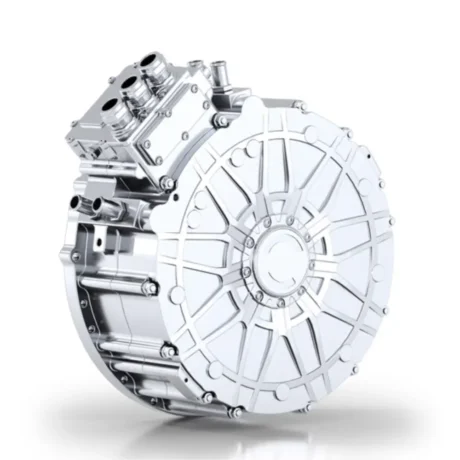
Axial flux motors are gaining attention for their compact structure and high power density in advanced EV applications.
If you want a deeper comparison between this emerging motor design and conventional permanent magnet systems, read our full guide on
axial flux motor vs PMSM.
EV Motor Comparison
| Motor Type | Efficiency | Cost | Torque Density | Typical Application |
|---|---|---|---|---|
| PMSM | Very High | Medium | Very High | Passenger EVs |
| BLDC | High | Low | Medium | Light EVs |
| Induction | Medium | Low | Medium | Performance EVs |
| Axial Flux | Very High | High | Extremely High | High-performance EVs |
Choosing a motor is not only about understanding motor types, but also about matching the right drivetrain to a real conversion project.
If you want a practical comparison of the most common options, read our guide on the best motor for EV conversion.
Choosing the Best Motor for EV Conversion
Choosing the right motor for an EV conversion project depends on several factors:
-
vehicle weight
-
required power output
-
battery capacity
-
drivetrain layout
For example:
Lightweight vehicles may use BLDC motors, while passenger vehicles often benefit from PMSM motors due to higher efficiency.
Companies specializing in EV conversion technology often provide specific vehicle conversion kits that simplify the electrification process.
These systems integrate electric motors with controllers and batteries to create a complete EV drivetrain.
Future Trends in EV Motor Technology
Electric motor technology continues to evolve as electric vehicle adoption increases.
Future innovations may include:
-
advanced axial flux motors
-
improved magnetic materials
-
integrated motor-controller systems
-
improved thermal management
These advancements will further increase efficiency and reduce EV drivetrain costs.
Conclusion
Electric motors are the core of every electric vehicle.
Understanding the differences between EV motor types helps engineers, manufacturers, and EV conversion specialists choose the best technology for each application.
The four most common motor technologies used in electric vehicles today include:
-
PMSM motors
-
BLDC motors
-
induction motors
-
axial flux motors
Each motor offers unique advantages depending on performance requirements, cost considerations, and vehicle design.
As electric mobility continues to expand worldwide, electric motor technology will remain one of the most important innovations driving the future of transportation.
FAQ
What motor type is most commonly used in electric vehicles?
Permanent Magnet Synchronous Motors (PMSM) are the most widely used EV motors because they offer high efficiency and high torque density.
Are induction motors used in electric vehicles?
Yes. Induction motors are used in some EVs due to their durability and lower material cost.
What is the best motor for EV conversion?
PMSM motors are often considered the best choice for EV conversion because they provide excellent efficiency and power density.

