

Choosing an electric motor for a vehicle conversion is only the first step. What matters just as much is how the complete drive system performs after installation and during regular use.
A 96V 10kW electric motor system is a practical option for certain lightweight vehicle conversion projects. However, its suitability depends on more than the motor’s rated power. Battery capacity, controller settings, drivetrain matching, vehicle weight, and charging arrangements all influence the final driving experience.
After a week of use, what should you look at when reviewing a 96V 10kW conversion system? How should charging performance be evaluated? And what can everyday operation tell you about the coordination between the motor, controller, and battery?
In this article, we look at the key points behind a one-week review of a 96V 10kW EV conversion system, including charging, driving performance, system integration, and practical testing.
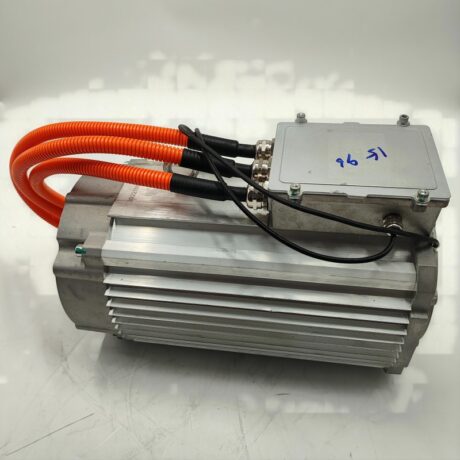
1. Understanding the 96V 10kW Electric Motor System
A 96V 10kW motor system is designed for vehicle applications where the required power, vehicle weight, and operating conditions are compatible with this configuration.
CMVTE offers a 10kW 96V electric car conversion kit designed for lightweight vehicle conversion projects. The listed kit configuration includes the motor, controller, lithium battery, charger, BMS, wiring harness, gear selector, dashboard, DC-DC converter, and drivetrain components.
This is important because a vehicle conversion should be treated as a complete system rather than a motor replacement alone.
Each component has a different role:
- Electric motor: Converts electrical energy into mechanical power to drive the vehicle.
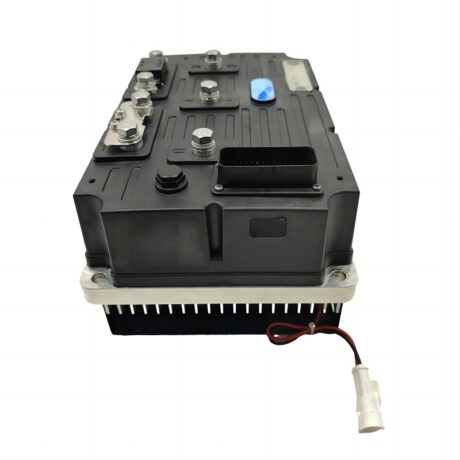
- Motor controller: Regulates power delivery and controls motor speed and torque.
- Battery pack: Stores the energy required for vehicle operation.
- Battery management system (BMS): Monitors and protects the battery pack according to its design and configuration.
- Charger: Transfers electrical energy from an external power source to the battery.
- DC-DC converter: Supplies low-voltage power for vehicle accessories and electrical systems.
- Drivetrain components: Transfer motor output to the wheels through the selected transmission or reduction arrangement.
The performance of the complete vehicle depends on how these components are selected, matched, and integrated.
2. One Week of Use: What Should Be Evaluated?
A one-week review provides a useful opportunity to observe how a conversion system behaves during repeated operation. It is not a substitute for long-term durability testing, but it can help identify practical issues that may not be obvious during a short workshop test.
The most useful observations generally fall into four areas.
Driving Response and Power Delivery
The first point to evaluate is how the vehicle responds to accelerator input.
A properly matched motor and controller should deliver power in a predictable and controllable manner. During normal driving, the driver should pay attention to:
- Whether acceleration is smooth and consistent
- Whether power delivery matches the vehicle’s intended use
- Whether the motor responds appropriately at low speeds
- Whether the vehicle maintains suitable performance under its normal load
- Whether any unexpected warning or protection events occur
Rated motor power alone cannot determine the vehicle’s acceleration or maximum speed. Vehicle mass, tire diameter, gear ratio, motor speed, controller current limits, and battery discharge capability all influence the result.
For this reason, a 10kW system should always be evaluated in the vehicle for which it was designed.
Operating Stability
Repeated operation can help reveal whether the motor, controller, battery, and wiring work together as intended.
During a practical review, check for:
- Unusual motor or drivetrain noise
- Unexpected vibration
- Loose electrical connections
- Abnormal temperature increases
- Controller or BMS warning messages
- Inconsistent power delivery
Temperature should be evaluated under comparable operating conditions. A single temperature reading does not establish whether a system is operating within its limits; component specifications and the manufacturer’s recommended operating range should be followed.
Battery Behavior During Driving
The battery is a major factor in the overall driving experience.
During the review, observe battery voltage and state-of-charge behavior under acceleration, steady driving, and after the vehicle stops.
A noticeable voltage drop under load can be influenced by battery condition, discharge current, temperature, internal resistance, and the battery management system’s settings.
It is therefore useful to record battery data under repeatable conditions rather than judging battery performance from the dashboard percentage alone.
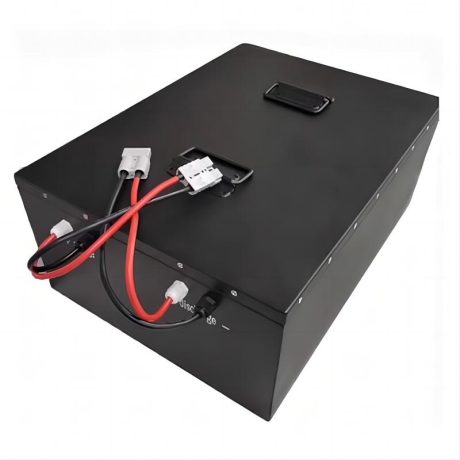
3. Charging Performance: What to Check After a Week
Charging is one of the most important parts of daily EV operation. A vehicle may perform well on the road, but its practical usability also depends on how conveniently and reliably its battery can be recharged.
A one-week charging review should focus on the complete charging process rather than only the charger itself.
Charging Time
Charging time depends on several factors:
- Battery capacity
- Initial state of charge
- Charger output power and current
- Battery voltage range
- BMS charging limits
- Charging temperature
- Charging profile and tapering behavior
For example, a larger battery pack generally requires more energy to recharge than a smaller pack. However, actual charging time cannot be calculated accurately from battery capacity alone.
The charger’s rated output must also be compatible with the battery pack and BMS.
Charging Consistency
Repeated charging sessions can help establish whether the system behaves consistently.
Useful observations include:
- Whether charging starts normally
- Whether the charger operates without unexpected interruption
- Whether the BMS reports any protection events
- Whether charging current changes as expected
- Whether the battery reaches its configured full-charge condition
If charging stops unexpectedly or takes significantly longer than expected, check the charger, battery connections, BMS status, temperature, and charging settings before assuming that the battery itself is faulty.
Charger and Battery Compatibility
A charger must be matched to the battery chemistry, series configuration, maximum charging voltage, and permitted charging current.
Using a charger simply because its nominal voltage appears similar is not sufficient.
The battery manufacturer’s charging specifications and BMS limits should always take priority. A properly matched charging system helps protect the battery and supports repeatable daily operation.
For more information about the components involved in an EV conversion, explore CMVTE’s electric vehicle conversion kit products.

4. How the Motor and Controller Work Together
The motor and controller determine how electrical energy is converted into usable driving power.
In a typical AC motor conversion system, the battery supplies DC power to the controller. The controller then manages the electrical output supplied to the motor according to accelerator input, operating conditions, and programmed control limits.
This coordination affects:
- Acceleration response
- Motor speed regulation
- Torque delivery
- Energy consumption
- Protection behavior
A controller that is not correctly matched to the motor may limit available performance or cause operating problems.
CMVTE’s 96V AC electric motor controller is listed for 10kW and 15kW systems. Its product information describes programmability and integration with other electric components.
However, the correct controller configuration must be determined according to the specific motor, battery, wiring, and vehicle application. A controller’s nominal voltage or maximum current rating alone does not guarantee compatibility.
5. Why Vehicle Weight and Drivetrain Matching Matter
A 10kW motor does not produce the same vehicle performance in every conversion project.
A lightweight classic car, a three-wheel vehicle, and a heavier utility vehicle have different power requirements.
Several factors influence the result:
Vehicle weight: A heavier vehicle generally requires more energy and torque to accelerate and climb.
Gear ratio: The selected gearbox or reduction ratio affects the relationship between motor speed and wheel torque.
Tire diameter: Larger tires change the effective gearing and influence the relationship between motor speed and road speed.
Driving conditions: Frequent stops, steep gradients, high speeds, and heavy payloads can increase energy demand.
Battery capability: The battery must support the current required by the motor controller without exceeding its operating limits.
This is why conversion planning should begin with the vehicle’s actual specifications and intended use.
For example, CMVTE’s 10kW 96V conversion kit product information identifies lightweight vehicles in the approximate 800–1,000kg range as an intended application. Actual suitability still depends on the vehicle’s configuration and performance requirements.
6. Practical Testing Before and After Installation
A one-week review is more meaningful when it follows a structured testing process.
Before installation, the complete electric drive system should be checked to confirm that its major components communicate and operate correctly.
After installation, the vehicle should undergo controlled checks under real operating conditions.
A practical evaluation can include:
| Test Area | What to Check |
|---|---|
| Motor operation | Rotation direction, response, unusual noise |
| Controller | Programming, fault codes, current limits |
| Battery | Voltage behavior, BMS status, temperature |
| Charging | Charger compatibility, charging current, completion |
| Drivetrain | Gear ratio, coupling, vibration, mechanical noise |
| Road operation | Acceleration, braking, handling, operating stability |
For a more detailed look at the workshop process, read CMVTE’s article on Comprehensive Testing and Practical Implementation of Electric Vehicle Conversion.
This testing approach is important because a successful conversion depends on the integration of the complete system, not simply whether the motor can rotate.
7. Watch the 96V 10kW Motor One-Week Review
A technical specification sheet can explain a motor’s rated power and voltage, but practical footage helps show how the system is used and what aspects are worth observing during daily operation.
In this short video, we take a closer look at the 96V 10kW motor one-week review, with attention to charging and performance testing.
Watch the video to see the review:
Watch: 96V 10kW Motor One-Week Review — Charging & Performance Tested
The video complements the technical discussion in this article by showing the system review in a concise, visual format.
8. Is a 96V 10kW Conversion System Right for Your Vehicle?
A 96V 10kW system can be worth considering for lightweight vehicle conversion projects, but the correct configuration depends on the vehicle and its intended operating conditions.
Before choosing a system, consider the following questions:
- What is the vehicle’s total weight after conversion?
- What maximum speed and acceleration are required?
- Will the vehicle operate mainly on flat roads or inclines?
- What range is expected from a full battery charge?
- How much battery capacity can the vehicle accommodate?
- What charging power is available at the operating location?
- Does the existing gearbox or drivetrain need to be retained?
These details help determine whether a 10kW system is appropriate or whether a different motor power and voltage configuration would be more suitable.
CMVTE develops complete EV conversion systems for different vehicle categories, including classic cars, light commercial vehicles, pickup trucks, vans, and specialized vehicles.
Rather than selecting a motor based on rated power alone, the conversion solution should be designed around the vehicle’s weight, drivetrain layout, battery requirements, and performance targets.
9. CMVTE: Complete EV Conversion Solutions, Not Just Motors
A successful fuel-to-electric conversion requires more than an electric motor. The motor, controller, battery, charger, BMS, wiring, drivetrain components, and auxiliary systems must work together as one integrated solution.
CMVTE focuses on complete EV conversion systems and supports different vehicle applications through component matching and engineering integration.
Depending on the project, a conversion package may include:
- Electric motor and matched controller
- Lithium battery pack and BMS
- Battery charger
- DC-DC converter
- Gearbox, reduction unit, or drivetrain components
- Wiring harness and control accessories
- Supporting systems such as electric power steering and braking components
The final configuration is determined by the donor vehicle, installation space, performance targets, and customer requirements.
Planning a 96V 10kW EV conversion project?
Share your vehicle model, vehicle weight, target range, expected speed, and operating conditions with CMVTE. Our team can help evaluate whether a 96V 10kW system is suitable and develop a complete conversion configuration around your requirements.
Contact CMVTE for a Custom EV Conversion Solution
Frequently Asked Questions
1. What vehicles are suitable for a 96V 10kW motor conversion kit?
A 96V 10kW system may be suitable for certain lightweight vehicles, depending on vehicle weight, drivetrain layout, desired speed, and operating conditions. CMVTE lists its 10kW 96V conversion kit for lightweight vehicle projects, including vehicles in the approximate 800–1,000kg range. A project-specific assessment is still necessary.
2. How long does it take to charge a 96V electric vehicle battery?
Charging time depends on battery capacity, initial state of charge, charger output, BMS limits, and charging conditions. The 96V voltage rating alone is not enough to determine charging time. Battery capacity and charger specifications are also required.
3. Does a 10kW motor always deliver 10kW of power?
A 10kW rating generally refers to the motor’s rated power under specified operating conditions. Actual output depends on the motor, controller, battery, temperature, and operating limits. Peak power, where specified, is different from continuous rated power.
4. What is the function of the controller in a 96V 10kW EV system?
The controller manages electrical power from the battery to the motor. It regulates motor speed and torque according to driver input and programmed limits, while also providing operating protections according to its design.
5. Can a 96V 10kW conversion system be used in a classic car?
It may be suitable for some lightweight classic cars. Vehicle weight, available installation space, gearbox compatibility, battery placement, and expected driving performance should be evaluated before selecting the system.
6. Why should the motor, controller, and battery be matched?
These components operate as an integrated electrical drive system. Their voltage, current, power, control, and protection requirements must be compatible. Incorrect matching can limit performance or create reliability and safety problems.
7. Does CMVTE provide a complete 96V 10kW conversion kit?
CMVTE lists a 10kW 96V conversion kit with major drive-system and supporting components, including a motor, controller, battery, charger, BMS, and other integration parts. The final package can vary according to the vehicle and project requirements.
Final Thoughts
A one-week review of a 96V 10kW motor system should look beyond rated power. Driving response, charging consistency, battery behavior, controller coordination, and drivetrain matching all contribute to the actual vehicle experience.
The most useful review combines practical operation with measurable observations. Recording charging time, battery data, operating conditions, and any system warnings makes it easier to evaluate performance and identify areas that may need adjustment.
For vehicle conversion projects, the key is to select a complete system that matches the donor vehicle and its intended use.
CMVTE provides integrated EV conversion solutions designed around the requirements of different vehicle platforms. If you are considering a 96V 10kW conversion, contact the CMVTE team to discuss the right motor, controller, battery, and drivetrain configuration for your project.

