Car Conversion Kits for Different Models: A Comprehensive Guide
With the increasing global awareness of environmental protection and sustainable transportation, electric vehicle development has accelerated rapidly, establishing itself as the definitive future direction of the automotive industry. However, the premium cost associated with new electric vehicles places them out of reach for many consumers. This economic reality has catalyzed the emergence of diverse vehicle conversion kits that provide practical technical solutions for transitioning conventional fuel-powered vehicles to efficient electric propulsion systems.
Expert Insight: Vehicle electrification through conversion represents not only an environmentally conscious choice but also an opportunity to extend the life of beloved classic cars while embracing modern propulsion technology. The key to successful conversion lies in selecting the appropriate kit for your specific vehicle model and performance requirements.
Popular Vehicle Models and Their Conversion Considerations
Different vehicle types present unique challenges and opportunities for electric conversion. Understanding these model-specific considerations is essential for a successful transformation from combustion to electric power.
Toyota Tacoma/Pickup EV Conversion Kit
For midsize pickups like the Toyota Tacoma, motor selection requires careful consideration of vehicle weight, intended use, and desired performance levels. These robust vehicles typically require motors in the 50-100KW range to maintain satisfactory performance under various load conditions.
The generous cabin and bed space in pickup trucks offers advantages for battery placement, allowing consideration of higher-capacity battery packs. However, strategic planning remains essential to preserve the vehicle's cargo capacity and weight distribution characteristics.
| Recommended Motor Power | 50-100KW |
|---|---|
| Battery Capacity | 40-80KWh (depending on range requirements) |
| Special Considerations | Weight distribution, towing capacity preservation |
| Estimated Range | 150-300 miles |
Volkswagen Bus EV Conversion Kit
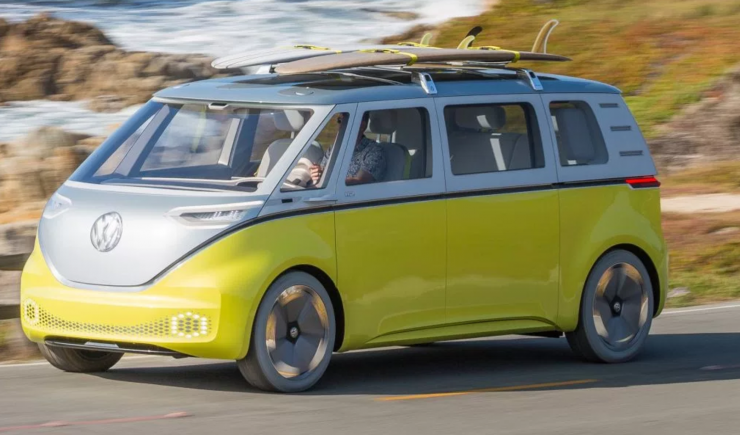
Converting iconic Volkswagen buses (T1/T2) presents unique challenges due to their size, weight, and cultural significance. For these larger vehicles, selecting the appropriate EV conversion kit is critical for maintaining drivability and character.
In 2020, Volkswagen themselves acknowledged the potential of electric conversion with their e-Bulli concept, which replaced the original four-cylinder opposed engine with a modern electric drivetrain. However, professional conversion costs for these vehicles remain substantial due to their specialized nature.
| Recommended Motor Power | 70-200KW |
|---|---|
| Battery Capacity | 50-100KWh (depending on model size) |
| Special Considerations | Weight distribution, vintage electrical system integration |
| Estimated Range | 120-250 miles |
Porsche 911 EV Conversion Kit
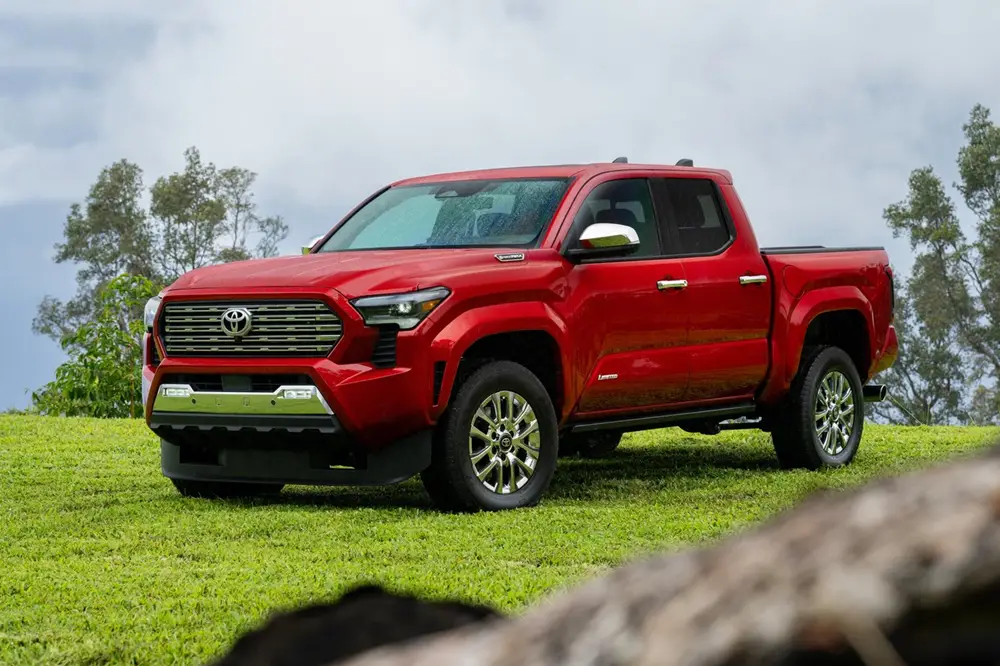
For classic sports car enthusiasts, the Porsche 911 represents the pinnacle of automotive heritage. Many owners seek to enhance their 911's performance while maintaining its iconic character, and electric conversion offers a compelling pathway.
Companies like Fellten have pioneered high-performance 911 conversions, installing Tesla-derived powertrains producing approximately 370KW. These conversions enable astonishing performance, with some converted 911s achieving 0-100 km/h acceleration in just 4.5 seconds.
Premium conversion packages often include sophisticated components like Quaife limited-slip differentials and 63KWH battery packs providing approximately 320 km of range with fast-charging capability. Importantly, many conversion systems are designed to be reversible, allowing owners to restore original powertrains if desired.
| Recommended Motor Power | 200-400KW |
|---|---|
| Battery Capacity | 60-100KWh (performance-oriented) |
| Special Considerations | Weight distribution, handling balance, thermal management |
| Estimated Range | 200-350 miles |
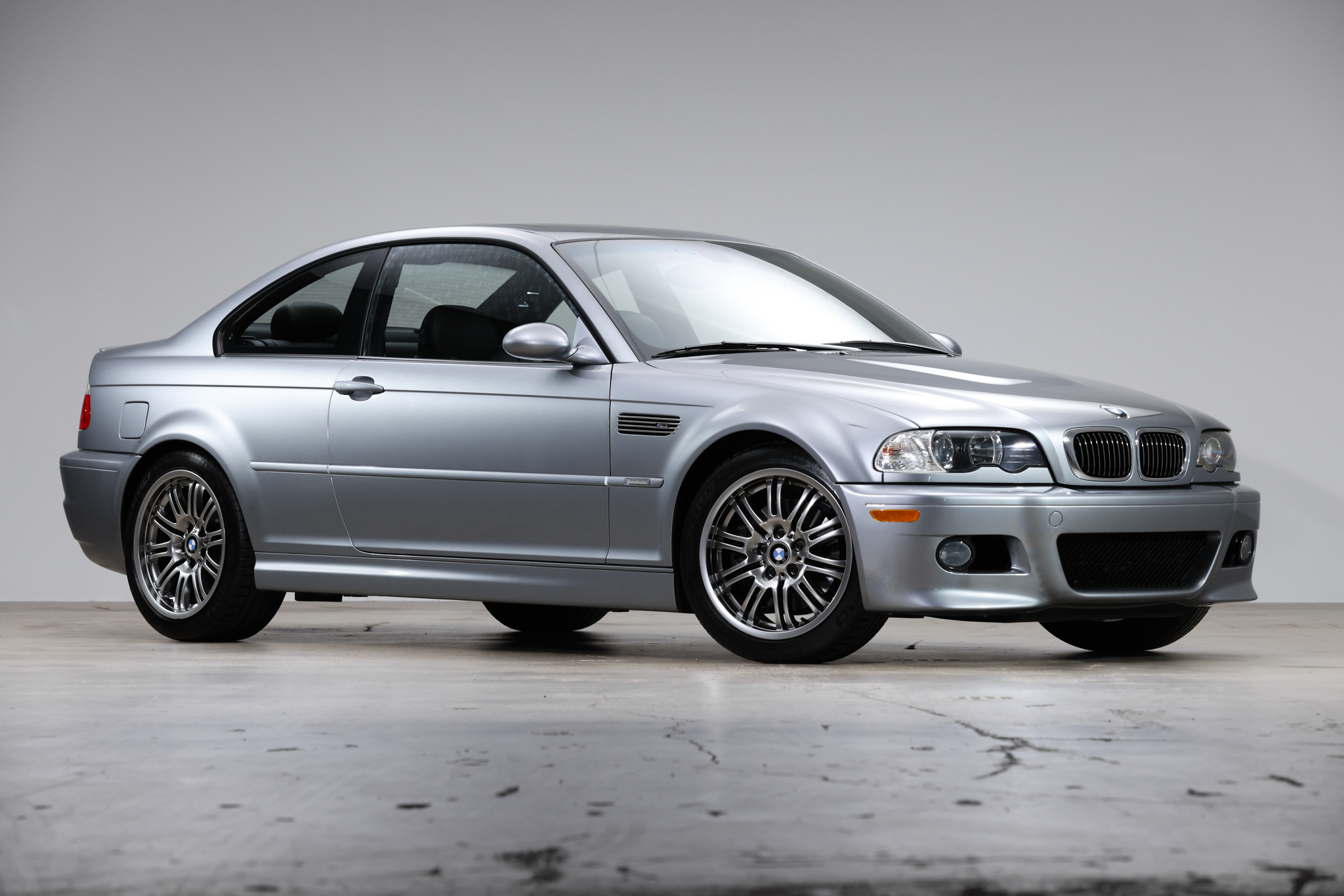
BMW E46 Electric Vehicle Conversion Kit
The BMW E46 generation of the 3 Series has achieved classic status among enthusiasts, offering an excellent balance of performance, handling, and modifiability. Its popularity makes it a prime candidate for electric conversion, with a robust aftermarket support network.
The E46 chassis has demonstrated impressive power-handling capabilities, with some forced-induction examples producing over 460 HP. This structural strength translates well to electric conversion, typically accommodating motors in the 50-100KW range for balanced performance.
The primary challenge with E46 conversions involves packaging constraints. The relatively compact engine bay and cabin space require creative battery placement solutions to maximize range while preserving interior space and vehicle dynamics.
| Recommended Motor Power | 50-100KW |
|---|---|
| Battery Capacity | 40-75KWh (space-constrained) |
| Special Considerations | Space limitations, weight distribution, electronics integration |
| Estimated Range | 150-250 miles |
Manufacturer Involvement in Electric Conversion
While aftermarket companies dominate the conversion landscape, mainstream automakers are increasingly recognizing the potential of electric conversion programs:
Tesla Powertrain Conversions
Tesla's industry-leading electric powertrain technology has made it a popular choice for conversion projects. Many enthusiasts utilize Tesla motors, batteries, and electronics when converting conventional vehicles due to their proven performance, reliability, and availability.
While Tesla themselves focus exclusively on new electric vehicle production, their components have become the gold standard for high-performance conversions, particularly for sports cars and luxury vehicles where power and refinement are priorities.
Toyota's Electrification Efforts
Toyota has pursued a diversified electrification strategy, developing new electric vehicles from the ground up rather than focusing on conversion kits. However, their expertise in hybrid systems and upcoming electric platforms may eventually influence the conversion market, particularly for Toyota-specific applications.
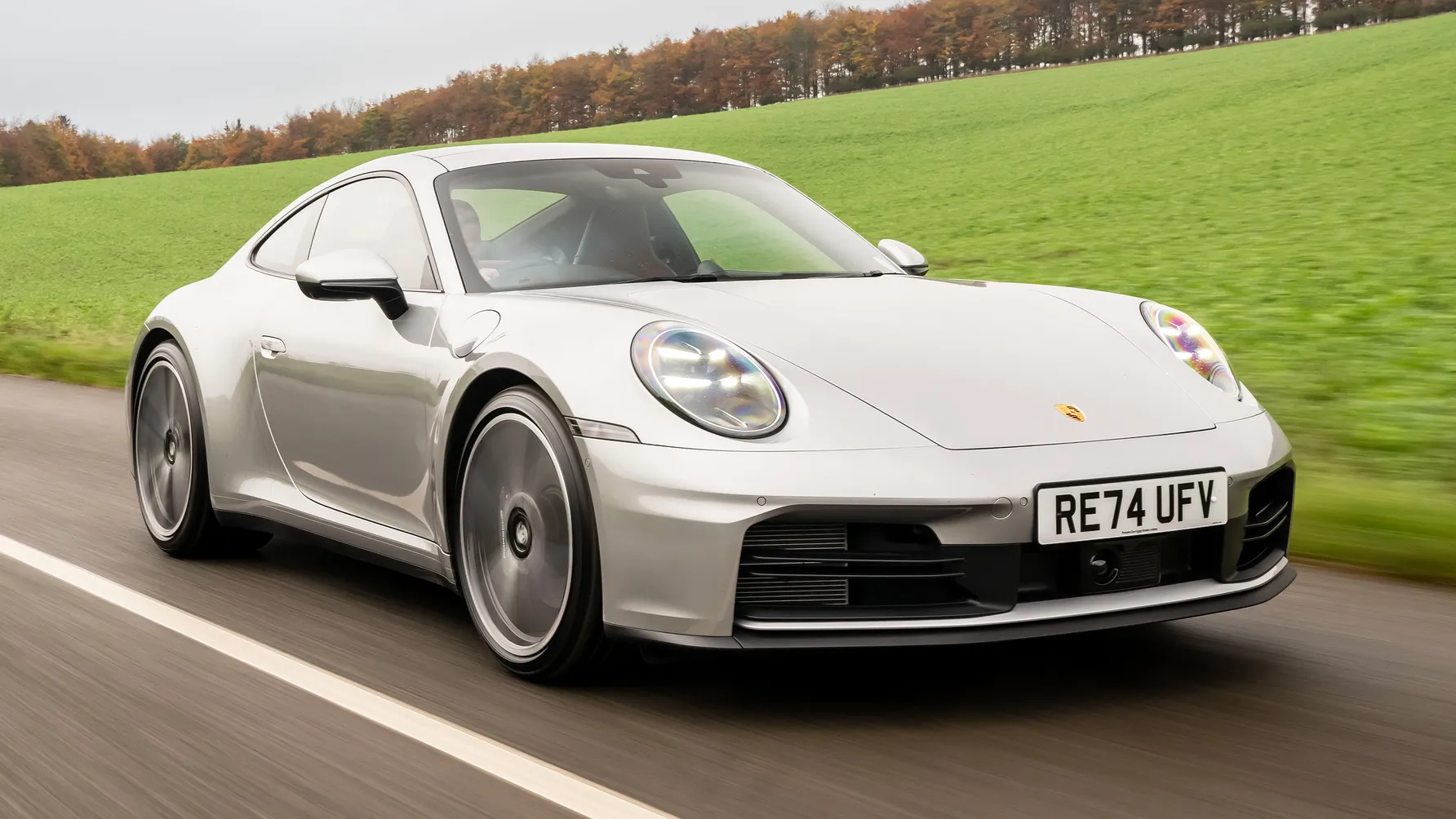 Figure 3: Electric vehicle conversion components including motor and battery pack
Conversion Considerations Across Vehicle Types
Successful electric conversion requires addressing several key factors that vary significantly between vehicle types:
Weight Distribution and Handling
Battery placement dramatically affects vehicle dynamics. Sports cars like the Porsche 911 require careful weight distribution to preserve handling characteristics, while trucks like the Tacoma need consideration of payload capacity and center of gravity.
Packaging Constraints
Space availability differs substantially between vehicles. Compact cars like the BMW E46 present packaging challenges, while larger vehicles like the VW Bus offer more flexibility but may require structural reinforcements.
Performance Expectations
Different vehicle types warrant different performance targets. Sports car conversions typically prioritize power and acceleration, while practical vehicles may emphasize range and efficiency.
Regulatory Compliance
Conversion requirements vary by jurisdiction, with some regions having specific regulations for converted vehicles regarding safety, emissions (despite being electric), and registration processes.
Conclusion: Finding the Right Conversion Path
The growing market for electric vehicle conversion kits offers enthusiasts unprecedented opportunities to transform conventional vehicles into efficient electric transportation. From practical pickups to iconic sports cars, virtually every vehicle type can now be converted with the appropriate kit and expertise.
Successful conversion requires careful consideration of vehicle-specific factors including weight distribution, packaging constraints, performance targets, and regulatory requirements. As conversion technology continues to evolve and components become more accessible, electric transformation will become an increasingly viable option for preserving beloved vehicles while embracing sustainable mobility.
Whether undertaking a DIY project or working with professional conversion specialists, the key to satisfaction lies in selecting the right components for your specific vehicle and goals, ensuring that your converted electric vehicle delivers both environmental benefits and driving pleasure.